FROM FEAR TO FACTS: Meet The Leaders Turning Cannabis Safety Concerns into Solutions That Protect Access
 This year, Americans for Safe Access launched the first Cannabis Safety Awards as part of Cannabis Safety Month. We created both initiatives because, as cannabis becomes more integrated into healthcare and society, the meaning of safety is evolving. Patients, healthcare professionals, parents, policymakers, regulators, and the broader public all approach cannabis safety from different perspectives. Some concerns are grounded in real experiences and evidence; others are shaped by decades of misinformation. All deserve thoughtful responses, not reflexive dismissal.
Cannabis Safety Month gave us an opportunity to examine these questions in greater depth, while the awards allowed us to recognize people already developing practical solutions. Rather than treating safety as an obstacle to medical cannabis access, ASA wants to demonstrate how research, education, accountability, innovation, and patient advocacy can make access safer, more reliable, and more equitable.
Federal cannabis policy is changing. The Attorney General’s action earlier this year, together with the broader rescheduling process begun under President Biden, has brought cannabis back into the national spotlight. For those of us who have spent decades working for reform, these developments represent real progress toward our mission of integrating cannabis into the U.S. healthcare system. But federal recognition is not the finish line. Achieving safe access for all Americans, regardless of their ZIP code or what is in their bank account, will require further action by Congress. We cannot expect Congress to act without informed, engaged, and sustained public support.
When I founded Americans for Safe Access in 2002, public support for medical cannabis was already at 80%. That overwhelming support helped create the conditions for the progress we have achieved over the past three decades. But we may have come to take that support for granted. We have spent years fighting legal battles, changing laws, developing regulations, and building medical cannabis programs, often assuming the public remained firmly behind us. In reality, supporting the idea that patients should have access to medical cannabis is not the same as understanding the policies, protections, and changes in healthcare systems necessary to make that access safe and equitable.
 We cannot rely on decades-old public support, or even today’s general acceptance of medical cannabis, to carry us through the next phase of reform. We need people to understand both what patients have achieved and what remains unresolved. That includes demonstrating that patient advocates take cannabis safety seriously and that researchers, educators, healthcare professionals, public agencies, and community organizations are already addressing legitimate concerns. Much of this work remains invisible to the broader public, even as questions about cannabis safety increasingly shape the national policy debate.
Federal health agencies have recognized that cannabis has accepted medical use in the United States. That recognition gives patient advocates a stronger foundation from which to engage in national conversations about cannabis safety and healthcare. We do not need to treat every question about safety as an attack. We can acknowledge legitimate concerns, distinguish scientific evidence from misinformation, and bring practical solutions into the discussion.
When concerns go unanswered, however, they can become the foundation for political backlash. We are seeing that dynamic play out in Washington. After decades of work to secure federal recognition of cannabis’ medical value, advocates now find themselves spending considerable time responding to claims that cannabis is too dangerous to make available. Some of those claims are promoted by organizations that oppose reform, but that does not mean we can afford to ignore the underlying questions. If patient advocates are not helping the public understand these issues, well-funded opponents are more than willing to provide their own answers.
Taking Cannabis Safety Head-On: The Responsibility of Progress
The goal of Cannabis Safety Month is to move the national conversation about cannabis from fear to facts, strengthen public trust, and build the informed support needed to advance federal medical cannabis reform. That requires more than winning a political argument. It means ensuring patients, caregivers, parents, and new consumers have the information they need to make safe choices. Longtime advocates may take certain safety practices for granted, but millions of Americans considering cannabis for chronic pain or other conditions are entering a world that is unfamiliar to them. They need reliable information about products, dosing, storage, driving, potential adverse effects, and when to seek guidance from a healthcare professional. Without it, preventable negative experiences can undermine individual well-being, public confidence, and the progress patients have fought decades to achieve.
 Rescheduling is sometimes portrayed as nationwide legalization, with warnings that expanded marketing and sales will increase risks related to youth exposure, product quality, and public health. Those concerns deserve careful attention, but the fundamental reason the federal process is moving forward is recognition of cannabis’ accepted medical use. In April 2026, the Department of Justice placed certain qualifying medical cannabis products in Schedule III, while a separate proceeding considering broader rescheduling remained underway. That action did not legalize cannabis nationwide or establish the comprehensive national medical cannabis program patients still need.
Patients, working alongside healthcare professionals, researchers, and advocates, helped establish state medical cannabis programs with testing, labeling, oversight, and patient protections. Those systems laid the groundwork for safer access, but their safeguards vary and must continue to evolve with research and experience. Securing access was an essential first step; protecting it requires reliable information, knowledgeable healthcare professionals, and practical standards that address genuine risks without excluding patients from care.
Patients are also parents, workers, and members of their communities. People who question current cannabis policies can still be partners in preventing harm. We do not have to agree on every aspect of cannabis policy to find common ground on safer products, protecting young people, preventing impaired driving, and making healthcare more reliable. Legitimate safety concerns should lead to stronger protections and better outcomes, not become arguments for dismantling medical cannabis access.
Recognizing the Work Behind Cannabis Safety
 The award categories grew out of a close look at where cannabis safety is created or lost: in public policy and patient access, research and professional practice, testing and labeling, secure storage, youth education, environmental stewardship, and everyday decisions. Those are not separate worlds. A patient’s safety can depend on several of them at once, from the laws governing access to the accuracy of the label on a product and the training of the person providing guidance.
Across 17 award categories, the 66 nominees are working on the protections, evidence, and partnerships needed to address interconnected safety challenges. The 21 recipients of the 2026 Cannabis Safety Awards are advancing research, public education, product quality, safe storage, patient support, impaired-driving education, and environmental responsibility. ASA announced the recipients during its October 29 webinar, Cannabis Safety: Fears & Facts, alongside plans to create a public Cannabis Safety Resource Library that will make credible research, scientific evidence, and educational resources easier for patients, healthcare professionals, journalists, policymakers, and the public to find and use.
The Safety Landscape: Patient Access, Policy & Accountability
Cannabis safety begins with the rules and institutions that determine whether patients can obtain medicine, understand their rights, and rely on the protections promised to them. Prohibition has created barriers to treatment and research, while state programs have developed different approaches to testing, labeling, oversight, and patient protections. We have to evaluate both what those programs accomplish and who they leave behind.
 T
 he Patient Voice Award recognizes people who make the experiences of patients visible in decisions that can otherwise become dominated by legal and technical language. This year’s award was shared by Nyomi Barrick-Womack, MS, whose experience in cultivation, dispensary operations, education, and regulation informs her work in Oklahoma, and Michelle Zang, BSN, RN, who integrates patient education, harm reduction, case management, and care coordination into nursing practice. Michelle has also helped bring difficult clinical topics, including cannabis use disorder and cannabinoid hyperemesis syndrome, into patient-care discussions. Other nominees included Shonda Broom, RN, CLNC; Angela S. Weston, MS, MBA, MCST; Clifton Otto, MD; Jan Morton; and Stephanie Davis.
 The Safe Access Award asks who is able to benefit from the systems advocates have fought to build. Veterans Initiative 22 connects veterans and first responders with medical cannabis education, resources, and support, including outreach informed by the urgent issue of suicide prevention. An access policy is only as effective as its ability to reach people facing financial, institutional, or practical barriers to care. Other nominees included My TCBD Inc., Global Cannabis Research Center, Maine Office of Cannabis Policy, and Nikki and The Plant.
 Some barriers require changes to law and public policy. The Public Courage Award recognized Georgia State Representative Jasmine Clark, PhD, whose work has challenged outdated policies affecting patients’ rights, searches, and medical cannabis access. It also recognized the importance of public officials willing to engage with patients about difficult questions instead of relying on old assumptions. Fellow nominees were Georgia State Senator Matt Brass, Rhode Island Representative Susan R. Donovan, Oklahoma State Representative Jacob Rosecrants, and Maine State Representative Marc G. Malon.
 Those conversations must also include people whose professional lives can make accessing medicine especially complicated. The Community Catalyst Award went to Firefighters for Plant Medicine, which brings first responders together around wellness, plant medicine access, and fair workplace policies, including protections related to off-duty use. The other nominees were Georgia Medical Cannabis Society, The North Bloom Magazine, Canna Cares, Oklahomans for Safe Access, and Indigenous Cannabis Industry Association, reflecting the value of different communities organizing around shared problems.


Reliable policy also depends on people asking whether safeguards work in practice. The Watchdog Award honored Rachelle Gordon for journalism that questions cannabis research and public-health claims and helps readers distinguish evidence from misinformation. Nominees Edvin Brncic, Paige St. John, and Chris Roberts likewise represent the importance of scrutiny and independent reporting. The Market Watch Award recognized the Institute of Cannabis Science for attention to marketplace transparency, product safety, and accountability; Patients for Safe Access of Oklahoma was also nominated. Together, these efforts help uncover weaknesses that laws and labels alone cannot fix.
Product Safety: Knowing What Is in Cannabis & How It Is Produced

For patients, product safety means being able to trust the information on a label, know whether a product has been tested appropriately, and expect reasonable consistency from one purchase to the next. Pesticides, microbial contamination, heavy metals, inaccurate potency, adulterants, and weak oversight are not abstract regulatory issues. They affect the medicine people use.
The Full Disclosure Award addresses the reliability of testing, labeling, and transparency. Winner SafeTiva Labs emphasizes testing integrity and public understanding of laboratory practices. Other nominees brought complementary expertise: ClearSight Labs in testing access, MCR Labs in examining weaknesses in testing oversight, and Kanha Technology Solutions in traceability and compliance systems. All point to the same challenge: reliable product information depends on sound methods and meaningful accountability.
 Product quality must also be protected after cannabis leaves a dispensary or home grow. The Freshness by Design Award recognized ViVi (ViViFresh) for humidity-management innovations designed to help preserve whole-flower cannabis quality and consistency in storage. Fellow nominee Cannador approaches preservation through specialized storage systems. Controlling moisture and degradation is part of protecting the condition of medicine a patient relies on.

We also have to consider the effects of production on workers, communities, and the environment. The Green Standard Award went to Sun+Earth Certified for independently verifying sustainable cultivation practices, including responsible resource use and worker protections. Nominee CROP Project works to address damage and contamination associated with illegal cultivation. These approaches demonstrate that environmental claims should be assessed against real practices, not marketing language.
Health Benefits and Risks: Research, Dosing, and Professional Care
Understanding cannabis’ benefits and risks requires scientific research and the practical knowledge of patients and clinicians. Questions about drug interactions, adverse events, cannabinoid hyperemesis syndrome, cannabis use disorder, pregnancy, aging, and other clinical considerations cannot be answered with slogans. Neither can questions about which forms of cannabis patients need, how much they consume, or the guidance they receive from professionals.

 The Discovery Award ended in a tie between Kyle Boyar and Marion McNabb, DrPH, MPH. Boyar contribution to product safety includes examining heavy metals in vaporizer hardware and weaknesses in microbial testing, while Dr.McNabb uses patient experience and public-health research to inform questions about testing, oversight, and patient-centered policy. Other nominees were Stefan Broselid, PhD, Mitchell Colbert, Julie K. Johnson, PhD, Jessica Tonani, and Melani Kane, PharmD. Their work shows that cannabis research is not confined to one discipline.

 What researchers learn must also reach the people helping patients navigate treatment. The Professional Standard Award was shared by CannabizMD and Cannify. CannabizMD develops medical cannabis workforce training; Cannify teaches dispensary staff to recognize patient needs, provide credible information, and respect clinical boundaries. Dispensary employees are often among the first people patients consult, but being well trained does not mean acting as a physician. Sometimes the most responsible guidance is knowing when to refer someone to a healthcare professional. Other nominees included Cannabis Safety & Quality, International Society of Cannabis Pharmacists, and Project Destigmatize HealTHCare.
 The Know Your Dose Award makes another everyday distinction clear: knowing a product’s potency is not the same as knowing the dose someone will receive or how they will respond. Winner 7 Stars Holistic Healing Center (7 Stars Dispensary) helps new consumers understand dosing, delayed effects, and the risk of overconsumption through accessible education. PhytoRX and Tetragram were also nominated for approaches to dosing technology and tracking individual responses. People should be able to ask basic questions without embarrassment and receive information that helps prevent avoidable negative experiences.
 The Flower Forward Award recognized STORZ & BICKEL for reliable, precision whole-flower vaporization technology. Many patients rely on inhaled whole-flower cannabis because of its relatively rapid onset, yet some policies seek to exclude flower from medical programs. Device design, heating performance, and materials safety are important considerations in making this form of medicine more reliable. Other nominees were Clean Torch and PAX. Whole-plant access and better safety standards should not be treated as competing goals.
Youth Strategies: Honest Education & Practical Prevention
Preventing unintended access and helping young people make informed decisions requires communication that parents, caregivers, and teenagers can trust. Public concern about youth cannabis exposure is legitimate, but prevention efforts are less useful when they rely on exaggerated claims or leave families without practical guidance.
 The Next Generation Award went to the New York State Office of Cannabis Management for its Cannabis Honestly campaign, which offers accessible, age-appropriate education for young people and families. I was especially impressed that the campaign makes room for real questions rather than relying on fear. Fellow nominee Canadian Students for Sensible Drug Policy (CSSDP) also demonstrates the importance of including young people in the development of resources intended for them.

 Education should be paired with ways to prevent accidental ingestion. The Lock It Down Award recognized both a program winner, the Maine Office of Cannabis Policy, for distributing free lockable storage bags to households, and a product winner, STASHLOGIX, for secure storage solutions patients and families can use at home and while traveling. Oklahoma Medical Marijuana Authority was also nominated. Safe storage is more likely to become a routine practice when the tools are affordable, practical, and easy to use.
Public Health: Safer Decisions in Our Communities
A broader approach to cannabis safety must also address the people affected beyond an individual patient: other road users, coworkers, families, and communities. We need evidence-based education that reduces preventable harm while avoiding assumptions that turn past cannabis use or a patient’s disability into proof of present impairment.
 The Roadwise Award recognized the Chesapeake Region Safety Council for Impairment Education and Recognition workshops that bring cannabis consumers, law enforcement, and safety professionals together to examine observable impairment and improve road safety. The program helps participants understand why a positive drug test or a patient’s physical limitations cannot, by themselves, establish current driving impairment. Fellow nominee, the Colorado Department of Transportation, has developed public education encouraging consumers to plan ahead and choose safe transportation. These are different approaches to the shared goal of preventing impaired driving without unfairly stigmatizing patients.
 People also need credible information they can act on. The Safety Signal Award went to Cannabis Public School for making medical cannabis education accessible to patients, caregivers, and others who may be unfamiliar with the subject. Other nominees included Realm of Caring Foundation, Personal Plants, and Society of Cannabis Clinicians Dispensary Clinicians Committee. Clear public education can help people understand risk, ask better questions, and use the resources already available to protect themselves and their communities.
Building a Public Cannabis Safety Resource Library
Building on the work highlighted throughout Cannabis Safety Month, ASA announced the creation of an online Cannabis Safety Resource Library, which will be available to the public. The library will bring together credible research, scientific studies, government reports, clinical guidance, public health data, educational resources, and policy analyses addressing major cannabis safety questions.
The initiative grew out of the need to make credible evidence easier to locate, evaluate, and communicate consistently, particularly as federal rescheduling brings greater attention to cannabis’ therapeutic benefits, potential harms, and public health implications. It is being developed as a shared resource for patients, caregivers, journalists, elected officials, regulators, healthcare professionals, researchers, advocates, educators, and anyone seeking reliable information about cannabis safety.
The Resource Library is intended to create a shared foundation of credible evidence that can strengthen and unify how we communicate about cannabis safety. A credible approach must recognize therapeutic benefits, investigate potential harms, distinguish established findings from unanswered questions, and update information as new evidence becomes available. Learn about the Resource Library or submit research and resources for consideration.
Cannabis Safety and the Future of Medical Cannabis
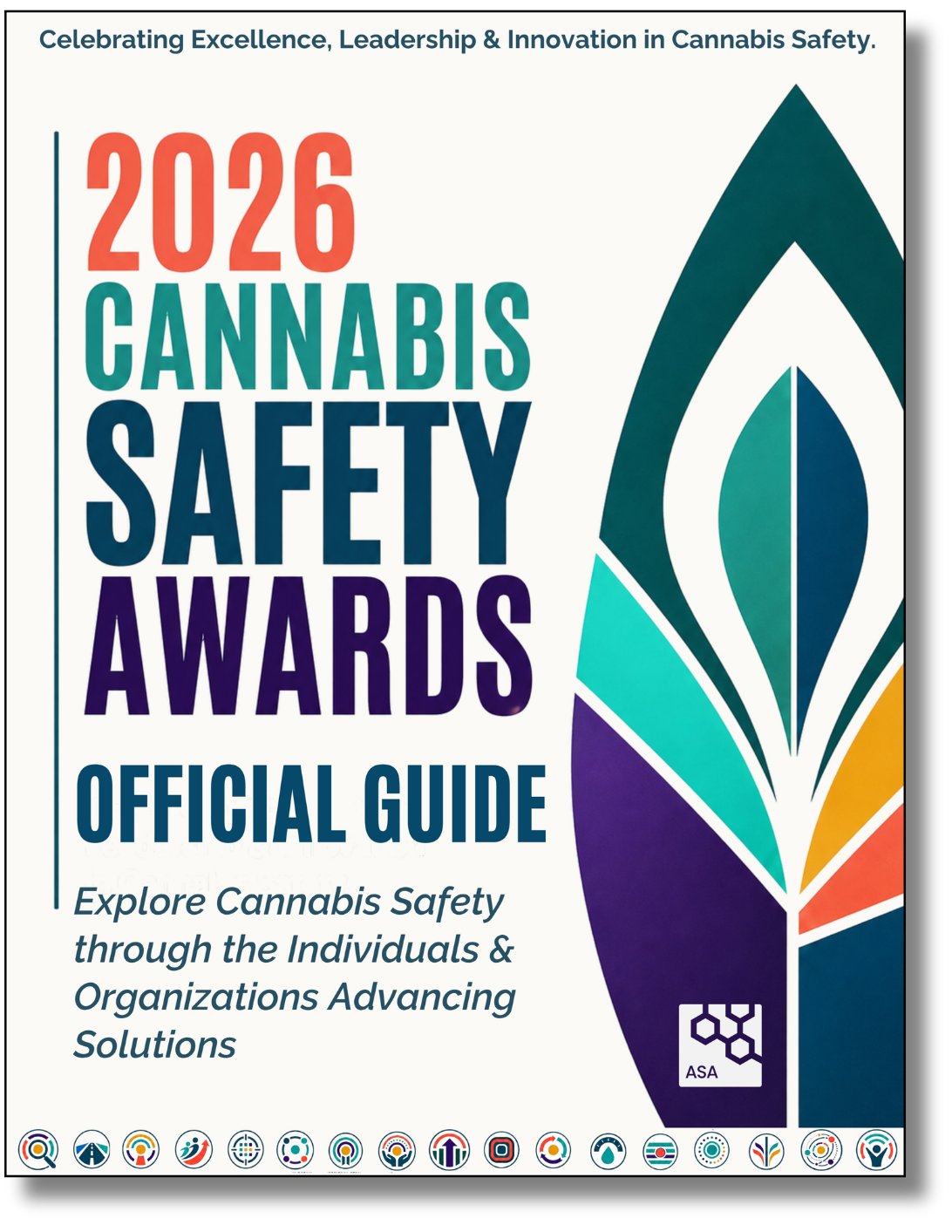 The 2026 award recipients demonstrate how protecting access and improving safety can advance together. Their work offers practical responses to questions that often dominate the public debate: protecting children through better storage and education, improving road safety through fairer impairment assessments, and strengthening product quality through testing, labeling, and oversight.
We recognized all 66 nominees because their work, not only the achievements of the 21 recipients, helps build the infrastructure required for medical cannabis to become a reliable part of healthcare. Patients, families, clinicians, public officials, and the broader public should be able to learn from these efforts, and the Resource Library will make the evidence behind them easier to find, examine, and build upon.
We have achieved progress that once seemed out of reach, but it will not implement itself. We cannot assume public support will carry forward without public understanding, and we cannot expect congressional action while patients' needs and experiences remain outside the conversation. Our responsibility now is to show that safe access and public health protections can advance together, and to make sure patients help shape the policies that follow federal recognition of cannabis’ medical value.
I am grateful to every nominee, voter, sponsor, partner, and volunteer who made Cannabis Safety Month and the first Cannabis Safety Awards possible. The most meaningful way to honor the patients who made this progress possible is to build on what they fought for: medical cannabis integrated into healthcare, credible safety protections, and access determined by medical need rather than geography or income. Cannabis safety should strengthen policy, not dismantle access.
Explore all 66 nominees and award categories.
Support Americans for Safe Access’ work to advance cannabis safety education, strengthen patient protections, and ensure safe access to medical cannabis for all. Make a donation today.

Share this page