
In March 2026, Americans for Safe Access released Stigma with a Body Count: Medical Cannabis & Organ Transplant Policies, documenting how bias, inconsistent program practices, and outdated assumptions continue to shape access to transplant evaluation, waitlisting, and transplantation for medical cannabis patients. The catalyst for that report was the case of Patrick Navarro. But it was Patrick’s life—and the devastating ordeal his family endured in the final days of his life—that inspired this Resource Center.
Many medical cannabis patients face challenges when entering organ transplant systems. These barriers are rarely grounded in science, research, or medical evidence. Instead, they stem from inconsistent institutional policies, uncertainty among clinicians, and lingering stigma around cannabis medicines.

Millions of Americans already rely on cannabis medicines, and top U.S. health agencies have acknowledged that cannabis has “currently accepted medical use.” Yet federal policy still has not caught up with either the science or the lived experience of patients. Until it does, patients using cannabis medicines may continue to face stigma, discrimination, delay, or even denial of life-saving care.
Americans for Safe Access established the Navarro Family Organ Transplant Resource Center to assist patients, caregivers, transplant professionals, and policymakers in understanding how transplant programs handle medical cannabis, what legal and policy gaps remain, and how to advocate for fair, evidence-based care.
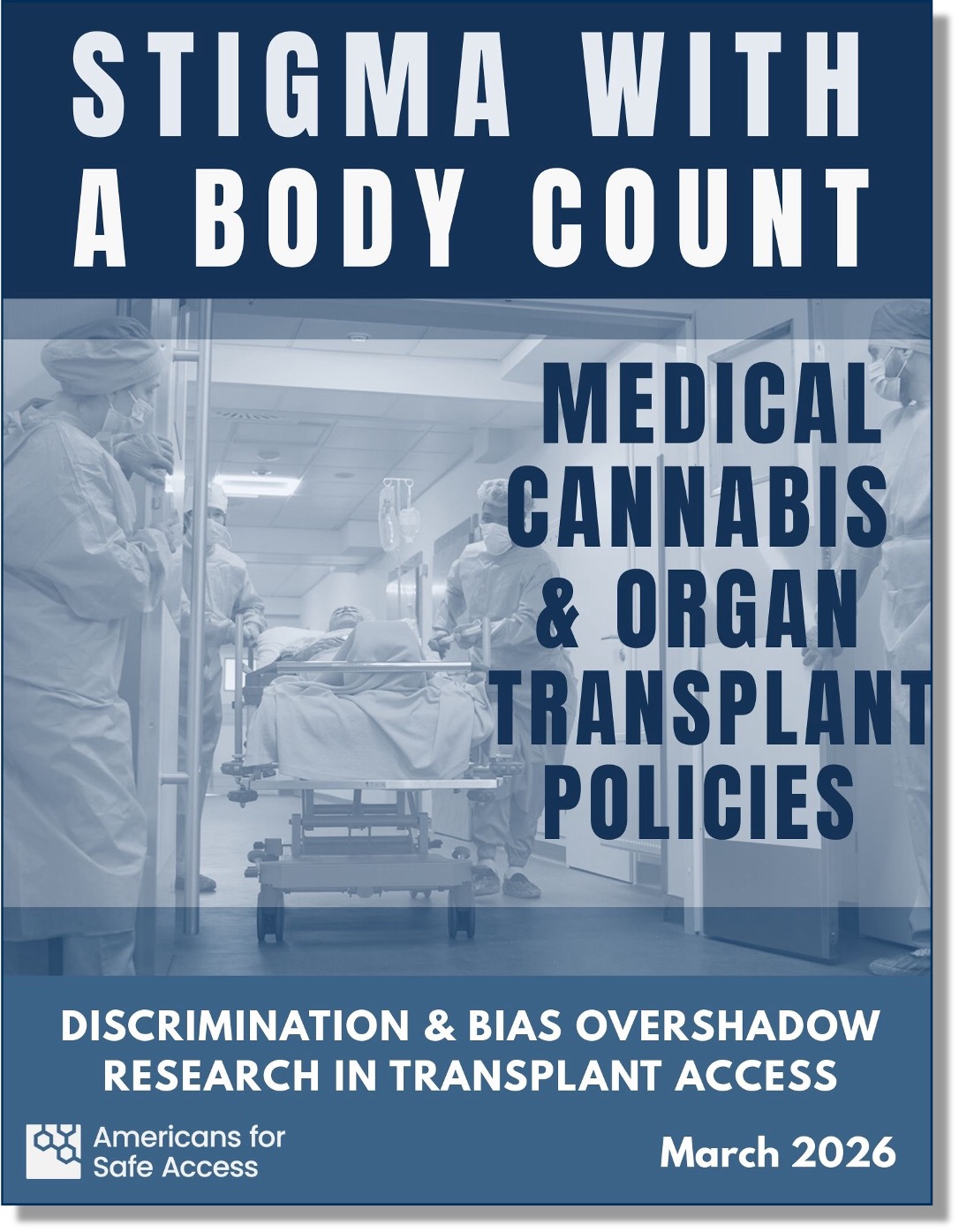
The final months of medical cannabis patient Patrick Navarro’s life, and the ordeal his family endured, were the catalyst for ASA’s Stigma with a Body Count: Medical Cannabis & Organ Transplant Policies. The report documents a problem that remains hidden until a patient and family are in crisis: transplant access for medical cannabis patients is still shaped by stigma rather than medical evidence.
Patrick was already a transplant survivor, having received both pancreas and kidney transplants, when he was hospitalized at UCSF with acute lung failure. Like many patients with complex chronic illness, he used medical cannabis to manage severe neuropathic pain related to diabetes. As Patrick’s condition worsened, his family was told that because of his medical cannabis use, he would need to demonstrate six months of abstinence before he could be considered for the lung transplant list. Patrick did not have six months.
Two months later, Patrick received written notice that UCSF had declined him for lung transplantation. The reason was explicit: “long-term marijuana use raises concerns regarding the ability to maintain durable abstinence after lung transplant.” At the moment he most needed individualized, evidence-based care, his access to life-saving treatment appeared to be decided based on a view that medical cannabis was a sign of substance abuse rather than as part of his clinical reality.
Devastated, Patrick’s wife, Cindy, reached out to Americans for Safe Access, shedding light on an issue that many thought had been resolved in 2015, when California passed a law intended to prevent this kind of discrimination. Patrick’s experience — specifically, that a patient using cannabis medicine to treat severe neuropathic pain was treated like a drug addict by the UCSF transplant committee — revealed both a broader structural problem and a serious education gap at the transplant-program level. Delays, abstinence mandates, waitlist inactivation, and denials remain far too common, even in states with legal protections.
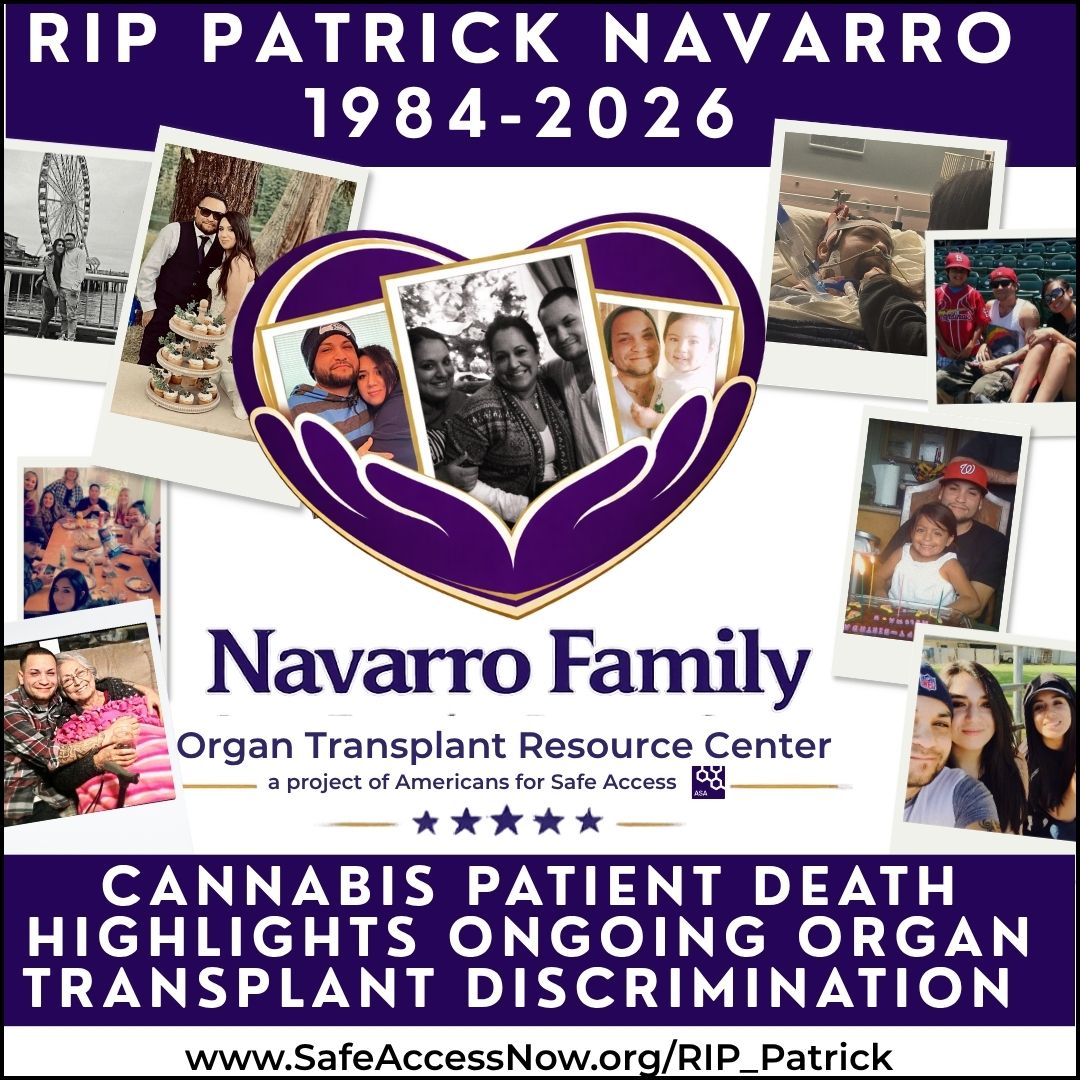
The Navarro family experienced this reality firsthand. They not only had to confront the stigma and bias faced by patients like Patrick, but now they must live with the question of whether discrimination narrowed his chance to survive. Patrick was a husband, father, brother, and survivor. The circumstances surrounding his death underscore the urgent need for federal reform to ensure that no patient is treated as less worthy of life-saving care because of their need for cannabis medicines.
Without national standards of care, patients will have dramatically different treatment depending on where they seek care. Without federal rights, patients will continue to experience discrimination.
Read Stigma with a Body Count: Medical Cannabis & Organ Transplant Policies
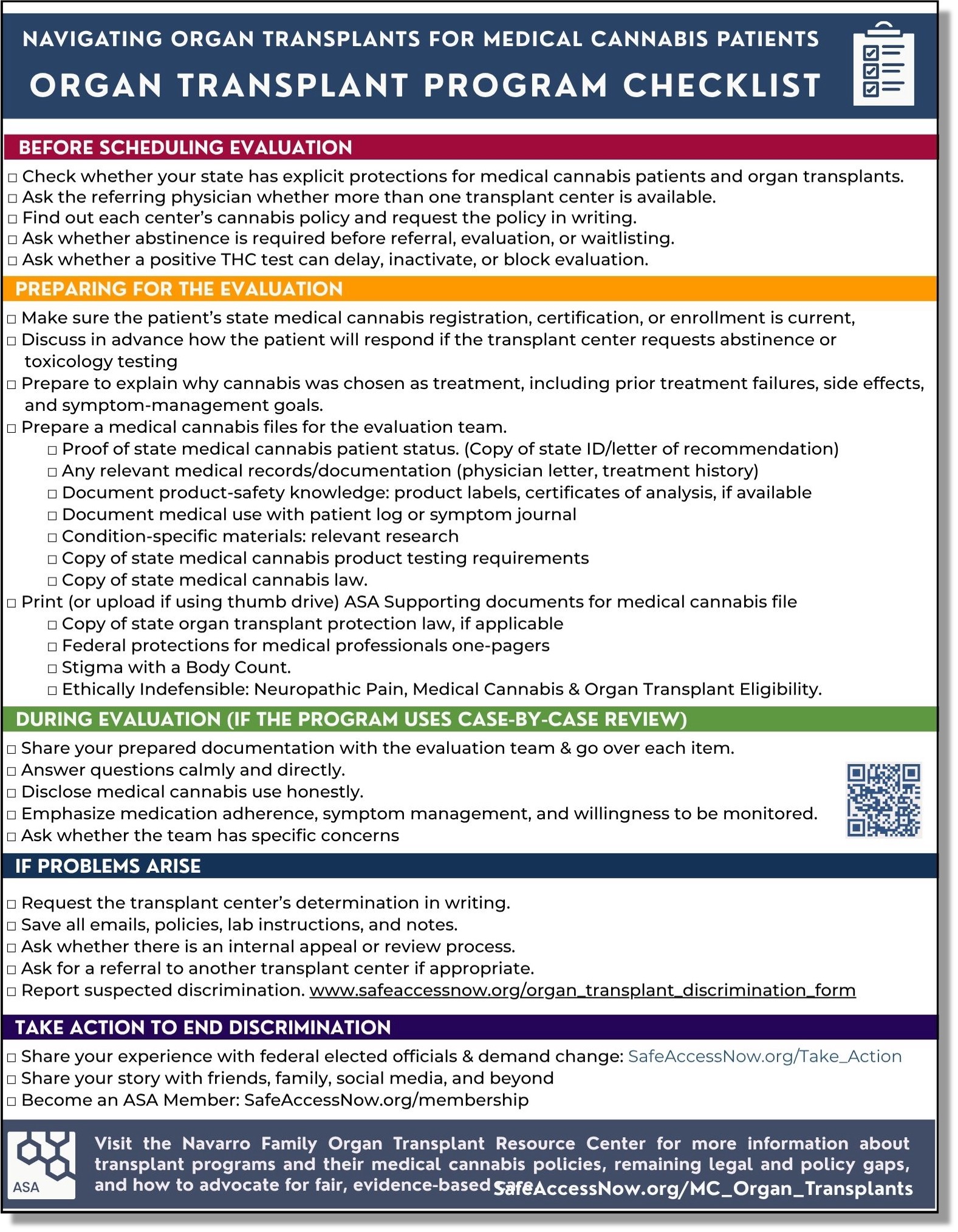
Americans for Safe Access (ASA) documented how bias and outdated assumptions have created inconsistent transplant-center polices that affect access to transplantation opportunities for medical cannabis patients in the Stigma with a Body Count: Medical Cannabis & Organ Transplant Policies report. The good news is that research now shows that when medical cannabis patients receive organ transplants, their outcomes are comparable to those of other patients. But getting through the process and remaining eligible for transplantation requires careful navigation of a system in which stigma, uncertainty, and inconsistency often stand in the way of care.
For patients with end-stage organ disease, especially when transplantation is the only life-saving option, the prospect of having to fight yet another battle can feel overwhelming. ASA created this supplement to the Stigma with a Body Count report to help patients and caregivers face that reality directly, with practical guidance to help avoid delays in care. This resource goes beyond documenting stigma to offer tools that patients and caregivers can use now. It includes a clear explanation of how the transplant system works, an overview of how transplant programs approach medical cannabis, a review of federal and state laws, and a checklist to help patients prepare for transplant evaluations.
ASA hopes this tool will empower and support patients and caregivers as they advocate for fair, evidence-based care.
Access More Tools and Resources for Navigating Organ Transplants for Medical Cannabis Patients
Patients and families who experience this kind of discrimination are encouraged to contact Americans for Safe Access. Shame is one of stigma’s most damaging effects. It can leave patients and caregivers feeling isolated, but you are not alone. Sharing your experience can help expose a problem many never see and illuminate a path forward.
If you believe a patient was denied transplant evaluation, waitlisting, or transplant-related services because of lawful medical cannabis use, you are not alone. ASA is collecting cases to document patterns of discrimination, support patients and families, and strengthen future policy reform.
Reporting helps:
- Support patients facing discrimination
- Identify patterns across transplant programs
- Strengthen the case for reform
- Make sure stigma does not remain hidden behind internal policy.
Patients and families experiencing transplant discrimination related to medical cannabis are encouraged to contact Americans for Safe Access by completing the intake form:
Neuropathic pain is a serious and often disabling reality for many patients with organ-related disease, diabetes, and other systemic illnesses. It is not peripheral to transplant care. It is part of the clinical picture that many patients bring into the evaluations.
For some patients, cannabis may be part of a broader treatment strategy after standard therapies fail, provide inadequate relief, or create side effects that become intolerable. Treating medical cannabis use as automatic evidence of substance misuse ignores both the complexity of pain management and the individualized assessment that transplant medicine is supposed to require.
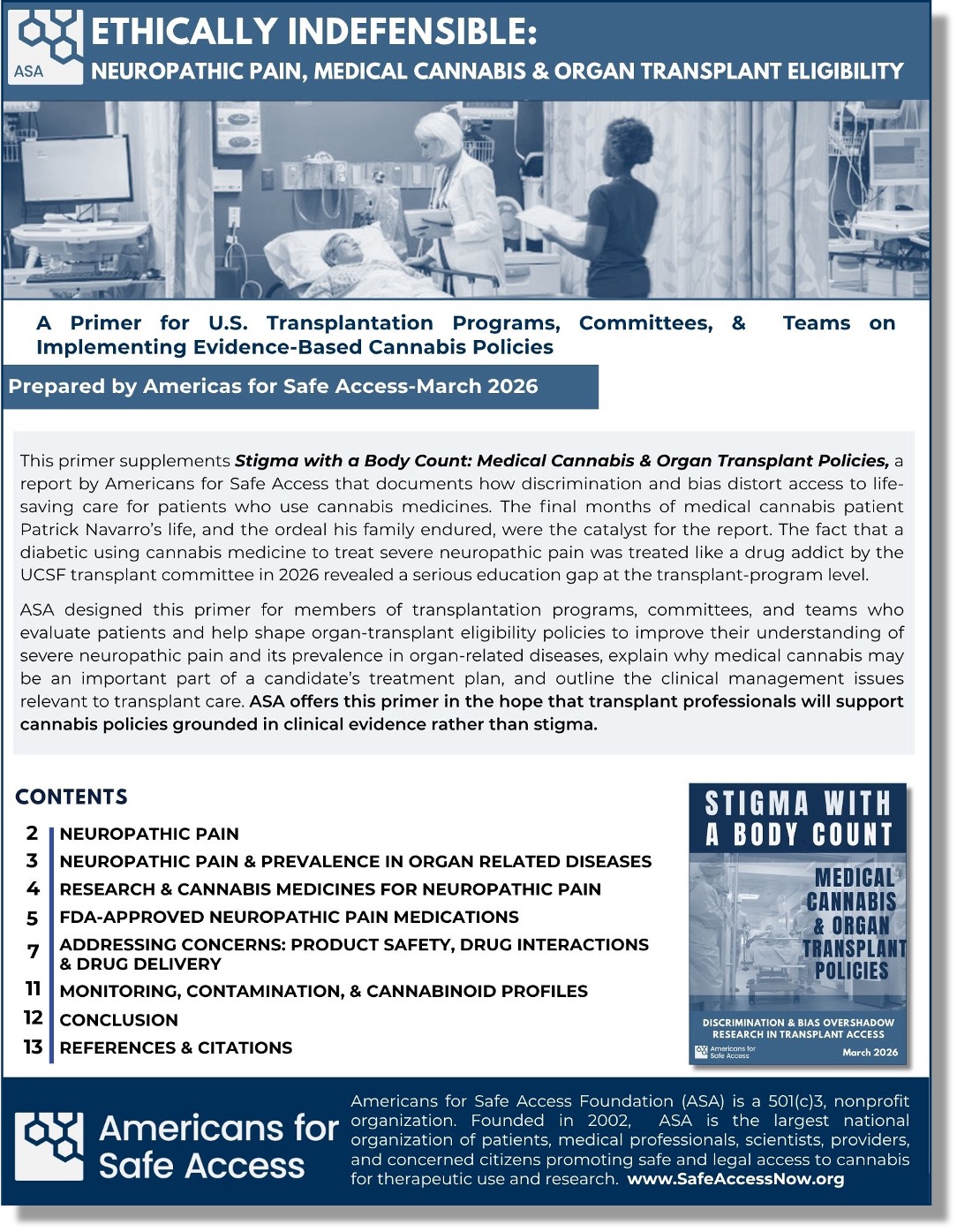 Ethically Indefensible: Neuropathic Pain, Medical Cannabis, and Organ Transplant Eligibility is a resource intended to help transplant professionals, committees, and teams better understand:
- Why neuropathic pain may be central to transplant candidacy discussions.
- Why medical cannabis use should not be treated as a shorthand for addiction or substance abuse.
- How product safety, route-of-administration, and interaction issues are actually relevant
- An evidence-based approach to treating medical cannabis patients
In transplant medicine, the question should not be whether a patient has used cannabis. The question should be whether the patient can be evaluated fairly based on actual clinical risk, adherence, safety, and evidence.
The transplant discrimination documented by ASA is not just a medical issue. It is a policy failure.
State laws have helped establish an important principle: lawful medical cannabis use should not, by itself, block access to life-saving transplant care. But patchwork protections are not enough. States still vary widely, and enforcement remains inconsistent.
Model State Legislation
ASA’s model approach to reform builds on the lessons of both AB 258 and the cases documented since its passage. Draft concepts such as the Patrick Navarro Medical Cannabis Patient Protection Act are intended to strengthen transplant protections by:
- clarifying that lawful medical cannabis use should not be classified as substance abuse
- prohibiting fixed abstinence requirements not grounded in evidence
- improving intake and disclosure standards so patients can speak openly with providers
- supporting education for healthcare professionals involved in transplant care
- reinforcing that transplant eligibility should be based on individualized medical review, not stigma
No patient should lose access to life-saving care because outdated assumptions were allowed to outweigh medical evidence.
 HELP END DISCRIMINATION
Patients and families should not have to navigate transplant discrimination alone. Transplant professionals should not be left without clear guidance. Policymakers should not assume this problem has already been solved because some states have enacted legislation.
Patrick Navarro’s case underscores why this work matters. No patient should lose access to life-saving care because outdated assumptions were allowed to outweigh medical evidence.
Without national standards of care, medical cannabis patients will have dramatically different treatment depending on where they seek care. Without federal rights, patients will continue to experience discrimination. Learn more about ASA's campaign to change federal laws to end discrimination for medical cannabis patients.
Help End Discrimination: Become an ASA Member or Make a Donation Now!

Share this page