MEDICAL CANNABIS PATIENTS & CAREGIVERS
|
The Medical Cannabis Administration oversees the Maryland Medical Cannabis Program, established by legislation in 2013 and 2014. Patients and their caregivers must be registered with the program to benefit from the rights and protections granted under these statutes. |
Medical cannabis may not be the best treatment choice for all patients. Learn more.
A Legal Medical Cannabis Patient:
1. Is a Maryland resident. There is no minimum age requirement. Patients under 18 must have a registered caregiver — a parent or legal guardian — apply on their behalf.
2. Has a qualifying medical condition certified by a registered Certifying Provider. Qualifying condtions include:
- Cachexia or anorexia
- Severe or chronic pain
- Severe nausea
- Seizures
- Severe or persistent muscle spasms
- Glaucoma
- Post-traumatic stress disorder (PTSD)
- Wasting syndrome
Certifying Providers may also issue written certifications for any severe, chronic medical condition unresponsive to conventional treatment, in the provider’s professional judgment.
3. Has a written certification from a Certifying Provider registered with the MCA. Once issued, a written certification must be used at a licensed dispensary within 120 days; certifications not used within that window become null and void.
4. Is registered in the MCA OneStop Portal.
ENROLLMENT INSTRUCTIONS
Step 1: Obtain a written certification from a registered Certifying Provider.
Your Certifying Provider must have a bona fide provider-patient relationship with you. Telehealth certifications are permitted.
Step 2: Create an account and register in the MCA OneStop Portal.
Register at the MCA OneStop Portal and complete the patient registration application.
Step 3: Verify your identity and Maryland residency.
Complete identity and residency verification through the portal.
Step 4: Receive your patient identification and visit a dispensary within 120 days.
Upon approval, you will receive an electronic patient identification document by email. An optional physical ID card is available for purchase for $25 through your OneStop account. Fee waivers are available for Maryland Medicaid recipients and Veterans Administration Maryland Health Care System patients. Important: you must present your certification at a licensed dispensary within 120 days of issuance, or it becomes null and void.
Patient registration expires after 6 years. Renewal requires a new written certification from a registered Certifying Provider. The Certifying Provider must conduct a full assessment within 365 days before issuing a renewal certification. Renewal assessments may be conducted via telehealth as permitted by the provider’s licensing board.
Minor patients under 18 require a parent or legal guardian to apply as their caregiver. Caregivers of minor patients must register with the MCA before the minor patient’s registration is submitted. A minor patient may have up to four registered caregivers: two who are a parent or guardian, and two additional adults aged 21 or older designated by a parent or guardian.
Registering a minor patient requires additional forms, including one notarized form.
Designated caregivers may purchase and possess medical cannabis on behalf of registered patients. Caregiver requirements:
- Must be at least 21 years of age
- Must register with the MCA and purchase a MCA Caregiver ID card; the caregiver ID card must be presented at the dispensary to purchase on behalf of a patient
- Patients may designate up to two caregivers; minor patients may have up to four (see Enrolling Minor Patients)
Caregiver registration: cannabis.maryland.gov/pages/caregivers.aspx.
Dispensaries:
Registered patients must present their electronic or physical MCA patient ID at licensed dispensaries. Standard dispensaries that are also licensed as adult-use retailers must provide at least one hour of exclusive access or a dedicated service line per day for qualifying patients. Find a licensed dispensary.
What to Bring:
- Your valid MCA patient identification (electronic or physical)
- Government-issued photo ID
- A list of your current medications (recommended for your first visit)
- Payment for your medicine. Insurance does not cover the cost of medical cannabis.
Dispensaries must reserve certain products exclusively for qualifying patients, including: concentrated cannabis products with a total product weight greater than 1 gram (except vapes and infused pre-rolls); and edibles, capsules, and tinctures with more than 10 mg of THC per serving or more than 100 mg of THC per package. If a dispensary provides a dedicated service line, it must make a good faith effort to prioritize patients and caregivers over adult-use consumers. Patients may purchase any product available at a licensed dispensary, regardless of type or potency, free of state sales and use tax.
Possession Limits:
Registered patients may possess up to the exact amount authorized in their written certification. If the certification does not specify a different amount, the standard rolling 30-day limit applies: up to 120 grams of dried flower or 36 grams of THC in infused products.
Home Cultivation:
Maryland registered medical cannabis patients aged 21 or older may legally cultivate up to 4 cannabis plants per household (2 plants permitted for all adults 21+ plus 2 additional plants for registered medical patients, not to exceed 4 plants per residence). Plants must be kept out of public view and secured so they are not accessible by unauthorized individuals. Cultivation may only occur on property lawfully in the possession of the cultivator or with the consent of the property owner. Landlords and property owners may prohibit cultivation on their properties
Need tips on home cultivation?
Cannabis Product Safety:
Cannabis is especially susceptible to contaminants during cultivation, manufacturing, handling, and storage. Whether you are purchasing from a licensed dispensary or cultivating at home, you should be aware of the contaminants commonly found in cannabis and the symptoms that accompany their presence.
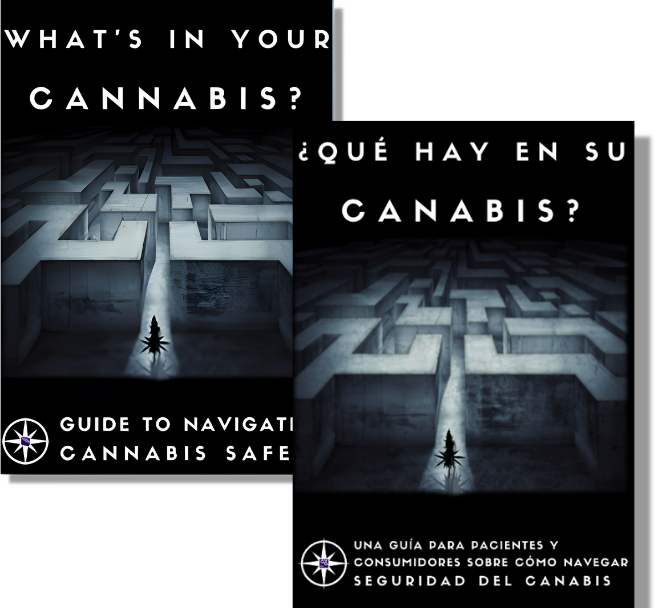
Products sold at Maryland’s licensed dispensaries must be tested for contaminants, pesticides, and adulterants. based on these thresholds set by state regulators. For more information about cannabis safety, download ASA’s “What’s in Your Cannabis? A Patient & Consumer Guide to Navigating Cannabis Safety.”
It can be challenging for patients to determine which businesses offering cannabis products are licensed and approved by the state. Review this list of medical cannabis retailers to find out where to purchase regulated cannabis in Maryland.
Registered patients may use medical cannabis in permitted private locations.
Patients may NOT use or possess medical cannabis in:
- Any public place
- Any school bus or the grounds of any preschool, primary, or secondary school
- Any correctional facility
- Any motor vehicle (as operator or passenger)
- Any private residence used for licensed childcare, foster care, or similar social service care
- Any location where tobacco smoking is prohibited
SMOKING AND VAPING RESTRICTIONS
Smoking cannabis in a public place is a civil offense under Maryland Criminal Law Article § 5-602. A first offense carries a civil fine of up to $50; subsequent offenses carry a civil fine of up to $150. Smoking cannabis in or from a motor vehicle is also prohibited. Indoor smoking is prohibited at licensed on-site cannabis consumption establishments; outdoor consumption at such establishments may be permitted under applicable MCA regulations. These restrictions apply to all persons, including registered medical cannabis patients.
Maryland has an adult-use cannabis program, but registering as a medical cannabis patient still offers important benefits. While the medical program may require additional steps, registration can provide patients and caregivers with added support, stronger protections, and access to medical guidance.
Federal Protections Apply Only to Registered Patients
Some federal protections are now available, but only to patients who are officially registered in their state’s medical cannabis program.
A federal order issued April 28, 2026, AG Order No. 6754-2026, treats a state medical cannabis certification or registration as similar to a prescription under federal law. This means that being registered is not just a state requirement; it may also affect whether a patient qualifies for federal protections.
To receive these protections, a patient’s registration must stay active, current, and in good standing. Learn more here.
Legal Protections:
Registered qualifying patients and caregivers acting in compliance with program rules may not be subject to arrest, prosecution, revocation of mandatory supervision, parole, or probation, or any civil or administrative penalty, including disciplinary action by a professional licensing board, solely for the lawful medical use or possession of medical cannabis in amounts authorized by their written certification.
These protections apply only when the patient or caregiver is acting in accordance with program requirements, obtaining cannabis only from a licensed Maryland dispensary, and possessing no more than the amount authorized in the written certification. They do not apply to cannabis obtained from unlicensed sources.
Privacy Protections:
Patient registration information is protected as confidential “sociological information” under COMAR 14.17.02 and the General Provisions Article, § 4-330. The Maryland Cannabis Administration may not disclose patient registration records under the Public Information Act except in limited circumstances, including by court order, subpoena, or as otherwise required by law. Your registration status, certification information, and personal data are not subject to routine public disclosure.
Access to Pharmacists:
[INSERT — Confirm whether Maryland licensed dispensaries are required to employ a pharmacist or pharmacist technician to assist patients with medication reviews and drug interaction guidance. Source: COMAR 14.17.]
Civil Protections:
Employment
Under Maryland law, an employer may not refuse to hire a person solely because of their status as a registered qualifying patient. Employers may prohibit cannabis use or impairment during work hours and may maintain drug-free workplace policies, including for safety-sensitive positions. Employment protections do not supersede federal law or federal contractor requirements.
Effective October 1, 2026: Maryland SB 439/Chapter 183 (2026) prohibits employers from taking discriminatory employment actions against firefighters, emergency medical technicians, cardiac rescue technicians, and paramedics who are registered medical cannabis patients and hold a valid written certification, based solely on their off-duty medical cannabis use or a positive drug screening for cannabis metabolites. Employers may not discipline, discharge, or otherwise discriminate against these employees with respect to their compensation, terms, conditions, or privileges of employment solely on these grounds. The law does not protect against on-duty impairment and requires employers to report incidents of on-duty impairment to the State Emergency Medical Services Board.
Housing
[INSERT — Confirm housing protections for registered qualifying patients. Source: Maryland statute.]
Child Custody
Under Maryland HB 232/Chapter 490 (2023), signed by Governor Moore on May 16, 2023, and effective July 1, 2023, the lawful use of cannabis by a parent or individual with permanent or temporary care or custody of a child does not constitute child neglect under Maryland law unless, as a result of the cannabis use, the child’s health or welfare is harmed or placed at substantial risk of harm, or the child has suffered mental injury or has been placed at substantial risk of mental injury.
Tax Benefits:
Registered qualifying patients who present a valid MCA patient identification at the time of purchase are exempt from Maryland retail sales and use tax on qualified medical cannabis purchases.
Adult-use consumers pay a cannabis sales tax that is scheduled to increase over time (9% through June 30, 2025; 12% from July 1, 2025; 15% from July 1, 2028). The patient tax exemption is unaffected by these rate changes.
Keeping the Medical Program Strong:
Enrollment helps demonstrate continued patient need for Maryland’s medical cannabis program. A strong registry helps protect and sustain the program, supports continued access for patients with serious health needs, and reinforces the importance of maintaining a medical pathway alongside adult-use access.
Maryland does not recognize out-of-state medical cannabis patient cards. Only Maryland-registered qualifying patients may purchase cannabis from Maryland-licensed medical dispensaries.
Note: Out-of-state visitors who are 21 or older may purchase adult-use cannabis at licensed dispensaries using a valid government-issued ID, under Maryland’s adult-use program. This does not provide the legal protections or tax benefits of medical registration.
*UPDATE: AG ORDER NO. 6754-2026 CHANGED FEDERAL CANNABIS LAWS ON APRIL 28, 2026: Learn more here.
Federal cannabis laws affect far more than whether a patient can access medical cannabis. For decades, federal prohibition has limited protections for medical cannabis patients under laws such as the Americans with Disabilities Act (ADA) and the Fair Housing Act (FHA). As a result, patients have often been denied the basic protections that people with other serious health conditions expect in employment, housing, healthcare, and access to federal programs.
Federal prohibition has also affected patients’ access to essential healthcare, housing, and financial support programs, sometimes forcing patients to choose between the medicine they need and the benefits they depend on. It has also created barriers to federal employment, healthcare autonomy, firearm ownership, and other aspects of daily life.
As federal and state cannabis laws change, implementation matters. Advocates must stay vigilant to ensure public agencies, private institutions, employers, housing providers, and healthcare systems update their policies in ways that respect patient rights and protect safe, legal access to medical cannabis.
It is important to stay active, engaged, and informed. Sign up to get ASA updates and learn more about ending patient discrimination.
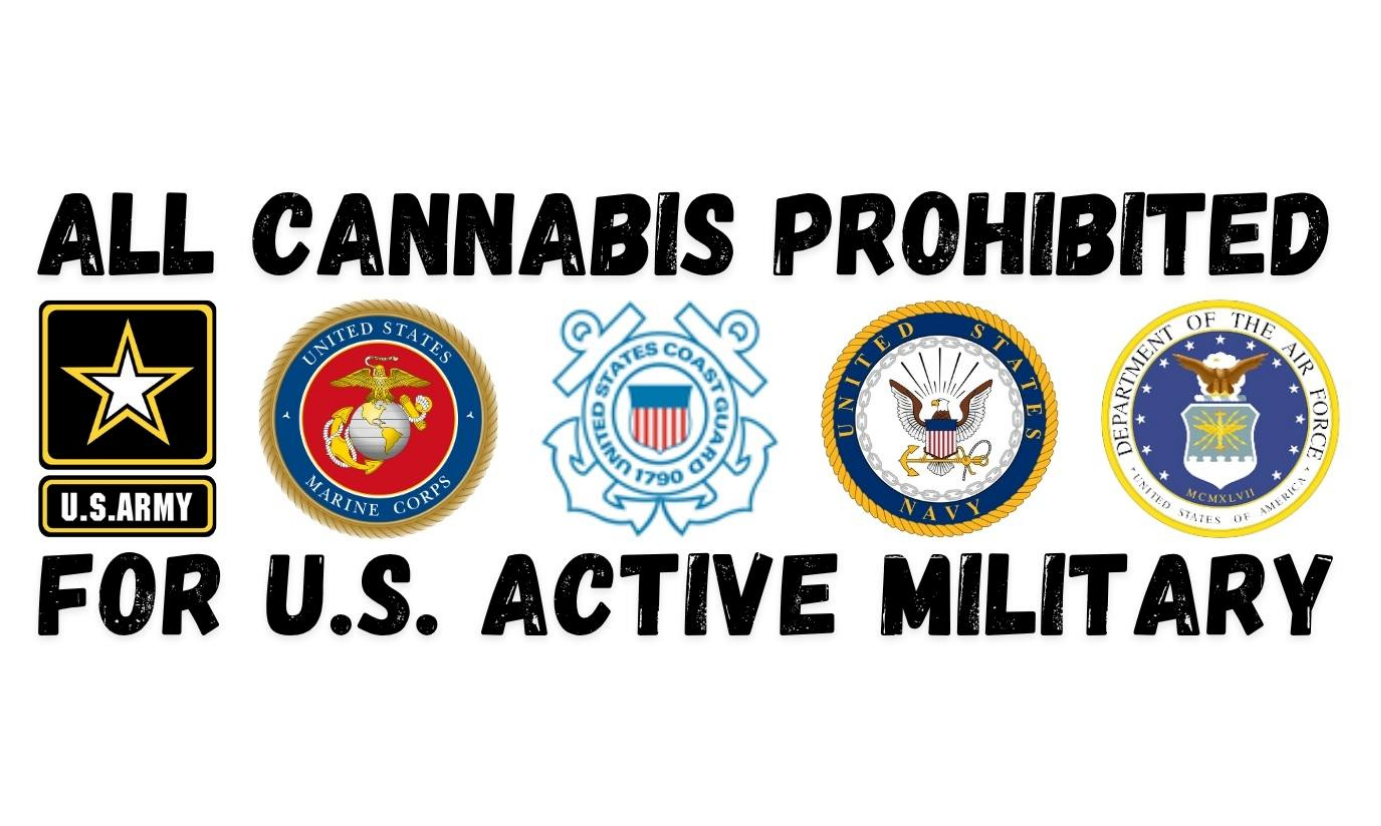
Rights and protections for medical cannabis patients are evolving. In some cases, outdated policies may impact how patients are treated. In other cases, like those in the military, policy changes will have to come from Washington, DC. In the case of organ transplants, stigma still plays a role in medical cannabis patients having access to life-saving treatment, even if state laws ban discrimination. Please use the resources below to better understand patient rights and how to navigate these programs and services.
Medical cannabis may be legal in your state, but it is illegal to cross state lines, even if the bordering state also has a medical cannabis program. For more information about traveling as a medical cannabis patient, check out our Travel Guide.
Stigma and discrimination also make patients targets for law enforcement encounters. Keep in mind that the best law enforcement encounter is the one that never occurs! It's crucial for individuals involved in medical cannabis to understand not only medical cannabis laws and regulations but also their rights. Be Prepared. Know Your Rights!
| State laws frequently change; if you find information that is out of date, incorrect, or has a broken link, let us know! Email [email protected] |
Medical cannabis patients can find additional resources here.
Get Involved! Learn more about ASA Campaigns and Take Action to improve the lives of medical cannabis patients today!
If you appreciate ASA's work, join now to become a part of the movement & sign up to get ASA updates.
Share this page