Navigating District of Columbia Medical Cannabis Laws

District of Columbia voters approved medical cannabis through Initiative 59 in 1998, but congressional restrictions delayed implementation for years. The District later created and expanded a medical cannabis program for qualifying patients, caregivers, cultivation centers, manufacturers, and dispensaries. D.C. overhauled the program with the passage of the Medical Cannabis Amendment Act of 2022.
Registered patients may access medical cannabis from licensed dispensaries, and the District has taken steps to broaden eligibility and access for adult residents through medical registration reforms. Rules still govern certification, registration, product testing, labeling, dispensing, possession, and where cannabis may be used. The District approved adult-use possession and home cultivation in 2014, but Congress has blocked a regulated adult-use retail program.
|
27,685 Registered Patient Population |
4.03% of Total Population Represented by Patients |
11 Total Medical Retail Locations Currently in Operation |
2,517 : 1 Patients : Retail |
*UPDATE: AG ORDER NO. 6754-2026 CHANGED FEDERAL CANNABIS LAWS ON APRIL 28, 2026. Learn more here. It is important to stay active, engaged, and informed. Sign up to get ASA updates.
Patients and their caregivers should be aware that their rights and legal protections* vary by state, age, and even the chemical composition of a product. Medical professionals have federal protections to discuss cannabis medicines with their patients, but incorporating them into their patients' treatment regimen is a very different process than writing a prescription. Laws and regulations are constantly evolving and require consistent advocacy to ensure better patient outcomes.
Americans for Safe Access has taken the guesswork out of navigating applicable laws, regulations, and available resources with these stakeholder resources.
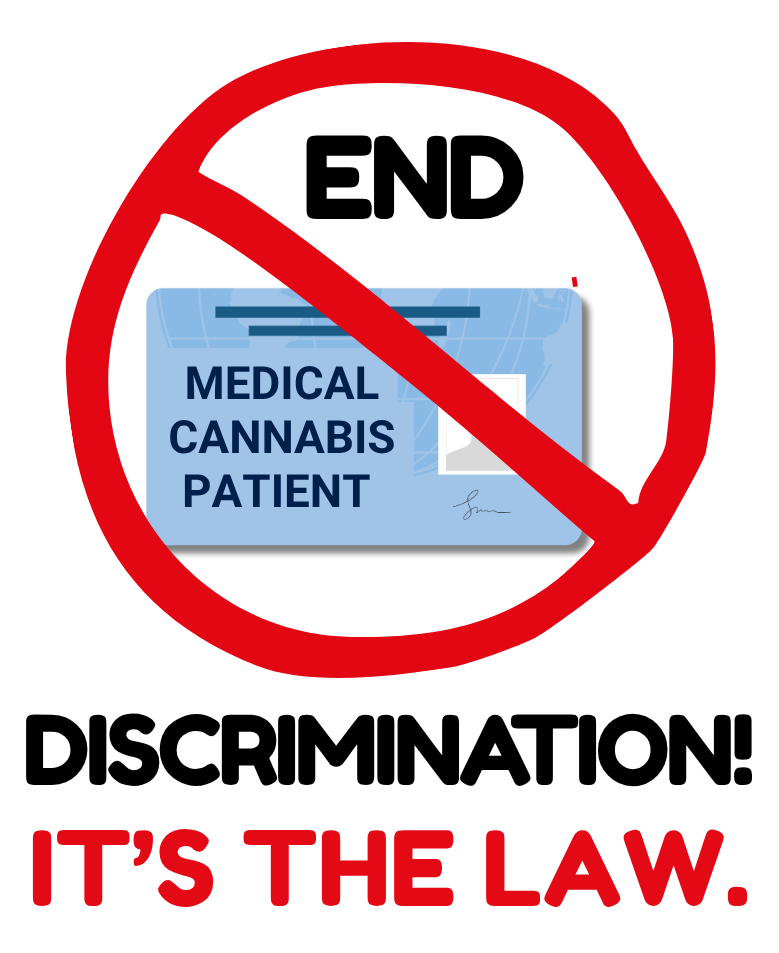
*UPDATE: AG ORDER NO. 6754-2026 CHANGED FEDERAL CANNABIS LAWS ON APRIL 28, 2026: Learn more here.
Federal cannabis laws affect far more than whether a patient can access medical cannabis. For decades, federal prohibition has limited protections for medical cannabis patients under laws such as the Americans with Disabilities Act (ADA) and the Fair Housing Act (FHA). As a result, patients have often been denied the basic protections that people with other serious health conditions expect in employment, housing, healthcare, and access to federal programs.
Federal prohibition has also affected patients’ access to essential healthcare, housing, and financial support programs, sometimes forcing patients to choose between the medicine they need and the benefits they depend on. It has also created barriers to federal employment, healthcare autonomy, firearm ownership, and other aspects of daily life.
As federal and state cannabis laws change, implementation matters. Advocates must stay vigilant to ensure public agencies, private institutions, employers, housing providers, and healthcare systems update their policies in ways that respect patient rights and protect safe, legal access to medical cannabis.
It is important to stay active, engaged, and informed. Sign up to get ASA updates and learn more about ending patient discrimination.
Cannabis, in its natural form, is inherently safe for most patients, but it is especially susceptible to contaminants during cultivation, manufacturing, handling & even storing. Whether you are purchasing cannabis from regulated, grey, or illicit markets or cultivating your own cannabis, you should be aware of the contaminants commonly found in cannabis and the symptoms that accompany their presence.
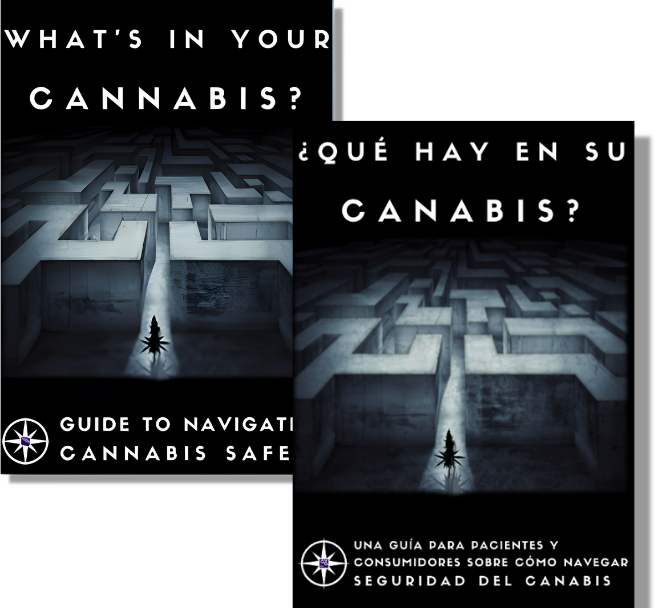
Products sold through the District of Columbia's medical cannabis program must be tested for contaminants, pesticides, and adulterants in accordance with thresholds set by regulators. Click here to see DC medical cannabis laws and regulations.
For more information about cannabis safety, download ASA's "What’s in Your Cannabis? A Patient & Consumer Guide to Navigating Cannabis Safety."
NOTICE: It can be challenging for patients to determine which businesses offering cannabis products are licensed and approved by the state. Use this resource to find state-licensed medical cannabis retailers.
Stigma and discrimination also make patients targets for law enforcement encounters. Keep in mind that the best law enforcement encounter is the one that never occurs! It's crucial for individuals involved in medical cannabis to understand not only medical cannabis laws and regulations but also their rights. Be Prepared. Learn about Your Rights!

Check out ASA's travel guide for patients and caregivers for tips on what to know before you go!
Get Involved! Learn more about ASA Campaigns and Take Action to improve the lives of medical cannabis patients today!
If you appreciate ASA's work, join now to become a part of the movement & sign up to get ASA updates
 Patient Rights and Civil Protections Patient Rights and Civil Protections |
60/100 | |||||||||||||||||||||||||||||||||||||||||||||||||||||||||||||||||||||||||||||||||||||||||||||||||||||||||||||||||||||||||||||||||||||||||||||||||||||||||||||||||||||||||||||||
|
||||||||||||||||||||||||||||||||||||||||||||||||||||||||||||||||||||||||||||||||||||||||||||||||||||||||||||||||||||||||||||||||||||||||||||||||||||||||||||||||||||||||||||||||
|
Access to Medicine |
60/100 | |||||||||||||||||||||||||||||||||||||||||||||||||||||||||||||||||||||||||||||||||||||||||||||||||||||||||||||||||||||||||||||||||||||||||||||||||||||||||||||||||||||||||||||||
|
||||||||||||||||||||||||||||||||||||||||||||||||||||||||||||||||||||||||||||||||||||||||||||||||||||||||||||||||||||||||||||||||||||||||||||||||||||||||||||||||||||||||||||||||
|
Program Functionality |
98/100 | |||||||||||||||||||||||||||||||||||||||||||||||||||||||||||||||||||||||||||||||||||||||||||||||||||||||||||||||||||||||||||||||||||||||||||||||||||||||||||||||||||||||||||||||
|
||||||||||||||||||||||||||||||||||||||||||||||||||||||||||||||||||||||||||||||||||||||||||||||||||||||||||||||||||||||||||||||||||||||||||||||||||||||||||||||||||||||||||||||||
|
Affordability |
45/100 | |||||||||||||||||||||||||||||||||||||||||||||||||||||||||||||||||||||||||||||||||||||||||||||||||||||||||||||||||||||||||||||||||||||||||||||||||||||||||||||||||||||||||||||||
|
||||||||||||||||||||||||||||||||||||||||||||||||||||||||||||||||||||||||||||||||||||||||||||||||||||||||||||||||||||||||||||||||||||||||||||||||||||||||||||||||||||||||||||||||
|
Health and Social Equity |
60/100 | |||||||||||||||||||||||||||||||||||||||||||||||||||||||||||||||||||||||||||||||||||||||||||||||||||||||||||||||||||||||||||||||||||||||||||||||||||||||||||||||||||||||||||||||
|
||||||||||||||||||||||||||||||||||||||||||||||||||||||||||||||||||||||||||||||||||||||||||||||||||||||||||||||||||||||||||||||||||||||||||||||||||||||||||||||||||||||||||||||||
|
Consumer Protection and Product Safety |
125/200 | |||||||||||||||||||||||||||||||||||||||||||||||||||||||||||||||||||||||||||||||||||||||||||||||||||||||||||||||||||||||||||||||||||||||||||||||||||||||||||||||||||||||||||||||
|
||||||||||||||||||||||||||||||||||||||||||||||||||||||||||||||||||||||||||||||||||||||||||||||||||||||||||||||||||||||||||||||||||||||||||||||||||||||||||||||||||||||||||||||||
|
Score Penalties |
0/100 | |||||||||||||||||||||||||||||||||||||||||||||||||||||||||||||||||||||||||||||||||||||||||||||||||||||||||||||||||||||||||||||||||||||||||||||||||||||||||||||||||||||||||||||||
|
||||||||||||||||||||||||||||||||||||||||||||||||||||||||||||||||||||||||||||||||||||||||||||||||||||||||||||||||||||||||||||||||||||||||||||||||||||||||||||||||||||||||||||||||
| Excerpted from ASA's 2022 State of the States Report. | ||||||||||||||||||||||||||||||||||||||||||||||||||||||||||||||||||||||||||||||||||||||||||||||||||||||||||||||||||||||||||||||||||||||||||||||||||||||||||||||||||||||||||||||||
Share this page