MEDICAL CANNABIS PATIENTS & CAREGIVERS
|
The Office of Cannabis Management oversees the New York Medical Cannabis Program, established through the Compassionate Care Act in 2014. Patients and their caregivers must be registered with the program to benefit from the rights and protections granted under these statutes. |
Medical cannabis may not be the best treatment choice for all patients. Learn more.
A LEGAL MEDICAL CANNABIS PATIENT ...
1. Is a New York State resident, or is temporarily residing in New York for medical treatment
2. Received a certification from a licensed New York State health care provider who has completed the required training and is authorized to prescribe controlled substances. New York does not maintain a restrictive list of qualifying diagnoses. Under the Marijuana Regulation and Taxation Act (MRTA), any licensed health care provider with a DEA registration may certify a patient for any condition they believe can be appropriately treated with medical cannabis. Your provider will determine whether medical cannabis is right for your situation.
Common conditions for which patients use medical cannabis include, but are not limited to:
- Autism
- Alzheimer's disease
- Cancer
- Chronic pain
- Epilepsy
- HIV/AIDS
- Inflammatory bowel disease
- Certain mental health conditions, including PTSD and anxiety
- Multiple sclerosis
- Muscular dystrophy
- Neuropathy
- Parkinson's disease
- Rheumatoid arthritis
- Substance use disorder
This list is illustrative only. If you have a condition not listed here, talk to your health care provider about whether medical cannabis may be appropriate for you. For more information, visit the OCM Patients page.
3. Registered with the OCM's Medical Cannabis Program and obtained a registry ID
4. Enrollment is up to date (expires every 2 years).
ENROLLMENT INSTRUCTIONS
After your provider certifies you, you will be automatically registered with the Medical Cannabis Program and issued a registry ID. Your certification will contain your registry ID and can be used immediately, along with a government-issued photo ID, to purchase medical cannabis at a licensed dispensary.
For step-by-step registration guidance, see the OCM Medical Cannabis Patient Brochure and the Patient and Caregiver Certification Guidelines.
PATIENT RENEWAL
Under Senate Bill S3294A, patient certifications are now valid for two years. Your certifying provider may issue a certification for a shorter period based on clinical judgment. When it is time to recertify, contact your certifying provider to schedule a follow-up visit.
ENROLLING MINOR PATIENTS
Patients under age 18, or who cannot consent to their own medical treatment, must have a designated caregiver. The caregiver must be at least 18 years old. When the provider certifies a minor patient, a caregiver will be automatically registered and will receive a registry ID at the same time as the patient certification.
Certified patients may designate up to five caregivers. Caregivers with a valid registry ID are authorized to assist a patient with the possession, acquisition, delivery, transfer, transportation, and administration of approved medical cannabis.
To become a designated caregiver, you must be at least 18 years old. When a patient (or another appropriate person acting for a minor or incapacitated patient) designates you as a caregiver during the patient registration process, you will be automatically registered and issued a registry ID.
For complete caregiver information and enrollment guidance, visit the OCM's Designated Caregivers page.
DISPENSARIES
A listing of all licensed medical cannabis dispensaries in New York State can be found on the OCM dispensing facilities page. Every licensed dispensary displays a Dispensary Verification Tool in the storefront. You can scan the QR code to confirm the dispensary is licensed by the OCM.
Every regulated medical cannabis product also carries a New York State universal symbol indicating it has been tested and regulated. All cannabis products must pass laboratory testing before being sold.
Each medical cannabis dispensary in New York State has licensed pharmacists on-site who can help patients find the right product for their condition and desired effect.
WHAT TO BRING
- Your photo ID (your caregiver must bring theirs when picking up medicine).
- A list of your prescribed medications (for initial appointment or if your medications change).
- The visit summary from your health care practitioner who certified your condition (for initial appointment).
- Payment for your medicine. Payment options vary by location. Note: Insurance companies do not cover the cost of medical cannabis.
POSSESSION LIMITS
Certified patients, and their designated caregivers, may purchase and possess up to a 60-day supply of medical cannabis, or 3 ounces of cannabis flower and 24 grams of cannabis concentrate, whichever is greater. Your certifying provider may limit dosing recommendations or issue a certification for a period shorter than two years based on clinical judgment.
HOME CULTIVATION
Certified medical cannabis patients aged 18 and older may cultivate cannabis at home for personal medical use. Each certified patient may cultivate, harvest, and dry up to 3 mature and 3 immature cannabis plants. No more than 6 mature and 6 immature plants may be grown in one household, regardless of the number of certified patients residing there.
Designated caregivers aged 18 and older who are registered with the Medical Cannabis Program may cultivate at home on behalf of a patient who is under age 18, or whose physical or cognitive limitations prevent them from cultivating for themselves. Designated caregivers who care for two or more patients may cultivate, harvest, and dry up to 12 cannabis plants for medical use.
The age-18 home cultivation right for certified patients was enacted by Senate Bill S3294A, signed November 21, 2025, with provisions taking effect approximately 90 days after enactment (approximately February 19, 2026). Some provisions may require implementing regulations and may take effect later.
Landlords, homeowner associations, and co-op boards may not prohibit medical cannabis home cultivation, except where doing so would cause the landlord to lose a federal benefit.
Cannabis cultivated for medical purposes may not be sold, traded, or gifted for compensation. Medical cannabis plants and products may not be transported outside of New York State.
For more information, see the OCM Medical Home Grow Fact Sheet and the Medical Cannabis Home Cultivation Guide.
Need tips on home cultivation?
Cannabis Product Safety:
Cannabis, in its natural form, is inherently safe for most patients, but it is especially susceptible to contaminants during cultivation, manufacturing, handling & even storing. Whether you are purchasing cannabis from regulated, grey, or illicit markets or cultivating your own cannabis, you should be aware of the contaminants commonly found in cannabis and the symptoms that accompany their presence.
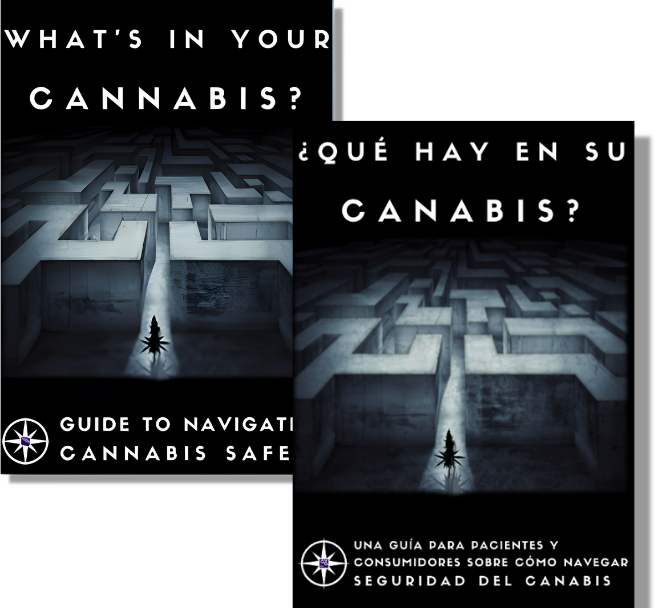
Products sold in New York's dispensaries and adult-use retail locations must be tested for contaminants, pesticides, and adulterants based on these thresholds set by state regulators. For more information about cannabis safety, download ASA's "What’s in Your Cannabis? A Patient & Consumer Guide to Navigating Cannabis Safety."
It can be challenging for patients to determine which businesses offering cannabis products are licensed and approved by the state. Review this list of medical cannabis retailers to find out where to purchase regulated cannabis in New York.
New York has an adult-use cannabis program, but registering as a medical cannabis patient still offers important benefits. While the medical program may require additional steps, registration can provide patients and caregivers with added support, stronger protections, and access to medical guidance.
Federal Protections Apply Only to Registered Patients
Some federal protections are now available, but only to patients who are officially registered in their state’s medical cannabis program.
A federal order issued April 28th,2026, AG Order No. 6754-2026, treats a state medical cannabis certification or registration as similar to a prescription under federal law. This means that being registered is not just a state requirement; it may also affect whether a patient qualifies for federal protections.
To receive these protections, a patient’s registration must stay active, current, and in good standing. Learn more here.
LEGAL PROTECTIONS
Under Cannabis Law Section 127 and Public Health Law Section 3369, certified patients, designated caregivers, and practitioners are protected from arrest, prosecution, or penalty solely for conduct permitted under New York's cannabis law. Additional legal protections include:
- The right to possess and consume medical cannabis without fear of arrest or prosecution for conduct permitted under New York law
- The right to use medical cannabis in your home, even in buildings with smoke-free policies, provided your use does not involve smoking or vaping in violation of that policy
- The right to cultivate cannabis at home for personal medical use (patients age 18 and older)
- If you are under parole, probation, or other state supervision, or released on bail or recognizance, you cannot be punished solely for your status as a certified patient or for conduct permitted under the cannabis law, unless the terms of your supervision explicitly prohibit cannabis use and it is shown by clear and convincing evidence that the restriction is reasonably related to the underlying offense
- No school, college, or university may refuse to enroll or penalize a person solely for conduct permitted under the cannabis law, unless required by federal law or religious policy
PRIVACY PROTECTIONS
Your status as a certified medical cannabis patient is considered protected health information. You are not required to disclose your patient status to your employer, law enforcement, or any court. It is your right to decide when and with whom to share this information.
- Confidentiality protections for your patient status, which is considered protected health information under New York law
- Upon your written request, the Office of Cannabis Management can confirm your patient status with institutions such as schools or employers when needed
- Certification applications and patient registry information are exempt from public disclosure under New York's Freedom of Information Law, as established by Public Health Law Section 3369
ACCESS TO PHARMACISTS
Every licensed medical cannabis dispensary in New York State has licensed pharmacists on-site. Pharmacists can assist you with product selection, dosing questions, and information about different forms of medical cannabis. You do not need a prescription to speak with a dispensary pharmacist, and there is no additional charge for this service.
CIVIL PROTECTIONS
EMPLOYMENT - Being a certified medical cannabis patient is considered having a disability under the New York State Human Rights Law. Employers and businesses open to the public are required to provide reasonable accommodations to certified patients. A reasonable accommodation may include modifications or adjustments to a work environment to support the patient's certified use of medical cannabis.
-
- The right to a reasonable accommodation in the workplace, because certified patient status is considered a disability under the New York State Human Rights Law
- You cannot be fired solely because of your status as a certified medical cannabis patient
- Employers may enforce policies prohibiting impairment or cannabis use while at work. Under Cannabis Law Section 127(4) and New York Labor Law Section 201-d, employers must adhere to state guidelines on cannabis use in the workplace.
HOUSING - Under Cannabis Law Section 127(2), landlords may not refuse to lease to or penalize a tenant solely for conduct permitted under the cannabis law, except where doing so would cause the landlord to lose a federal benefit.
-
- The right to use medical cannabis in your home, even in buildings with smoke-free policies, provided your use does not involve smoking or vaping in violation of that policy
- Growing medical cannabis at home cannot be prohibited by a landlord, homeowner association, or co-op board, except where it would cause the landlord to lose a federal benefit
CHILD CUSTODY - Under Cannabis Law Section 127(5), no person may be denied custody of or visitation or parenting time with a minor solely for conduct permitted under the cannabis law.
-
- This determination cannot be based solely on whether, when, or how often a person uses cannabis
- A finding against a patient requires independent evidence that the child's physical, mental, or emotional condition has been impaired or is in imminent danger of impairment
- Your status as a certified patient cannot be used against you in a domestic relations, family court, or social services proceeding without that independent evidence of harm
ORGAN TRANSPLANT
Under Cannabis Law Section 127(3), for the purposes of medical care, including organ transplants, a certified patient's authorized use of medical cannabis must be treated as equivalent to the use of any other prescribed medication. It does not constitute use of an illicit substance and may not be used to disqualify a certified patient from medical care or transplant eligibility.
TAX BENEFITS
Certified patients pay significantly lower cannabis taxes than adult-use customers. Effective June 1, 2024, medical cannabis sold by registered organizations to certified patients is subject to a 3.15% gross receipts excise tax, compared to the 13% retail excise tax on adult-use products. This tax is paid by the registered organization and is embedded in the product price; it is not shown as a separate line item on your receipt. For more information, see the New York State Department of Taxation and Finance.
Under Senate Bill S3294A, signed November 21, 2025, New York now provides reciprocity for certified medical cannabis patients from other states, U.S. territories, and the District of Columbia. Out-of-state patients may purchase medical cannabis from New York's licensed medical cannabis dispensaries. For more information about traveling as a medical cannabis patient, check out our Travel Guide.
*UPDATE: AG ORDER NO. 6754-2026 CHANGED FEDERAL CANNABIS LAWS ON APRIL 28, 2026: Learn more here.
Federal cannabis laws affect far more than whether a patient can access medical cannabis. For decades, federal prohibition has limited protections for medical cannabis patients under laws such as the Americans with Disabilities Act (ADA) and the Fair Housing Act (FHA). As a result, patients have often been denied the basic protections that people with other serious health conditions expect in employment, housing, healthcare, and access to federal programs.
Federal prohibition has also affected patients’ access to essential healthcare, housing, and financial support programs, sometimes forcing patients to choose between the medicine they need and the benefits they depend on. It has also created barriers to federal employment, healthcare autonomy, firearm ownership, and other aspects of daily life.
As federal and state cannabis laws change, implementation matters. Advocates must stay vigilant to ensure public agencies, private institutions, employers, housing providers, and healthcare systems update their policies in ways that respect patient rights and protect safe, legal access to medical cannabis.
It is important to stay active, engaged, and informed. Sign up to get ASA updates and learn more about ending patient discrimination.
Rights and protections for medical cannabis patients are evolving. In some cases, outdated policies may impact how patients are treated. In other cases, like those in the military, policy changes will have to come from Washington, DC. In the case of organ transplants, stigma still plays a role in medical cannabis patients having access to life-saving treatment, even if state laws ban discrimination. Please use the resources below to better understand patient rights and how to navigate these programs and services.
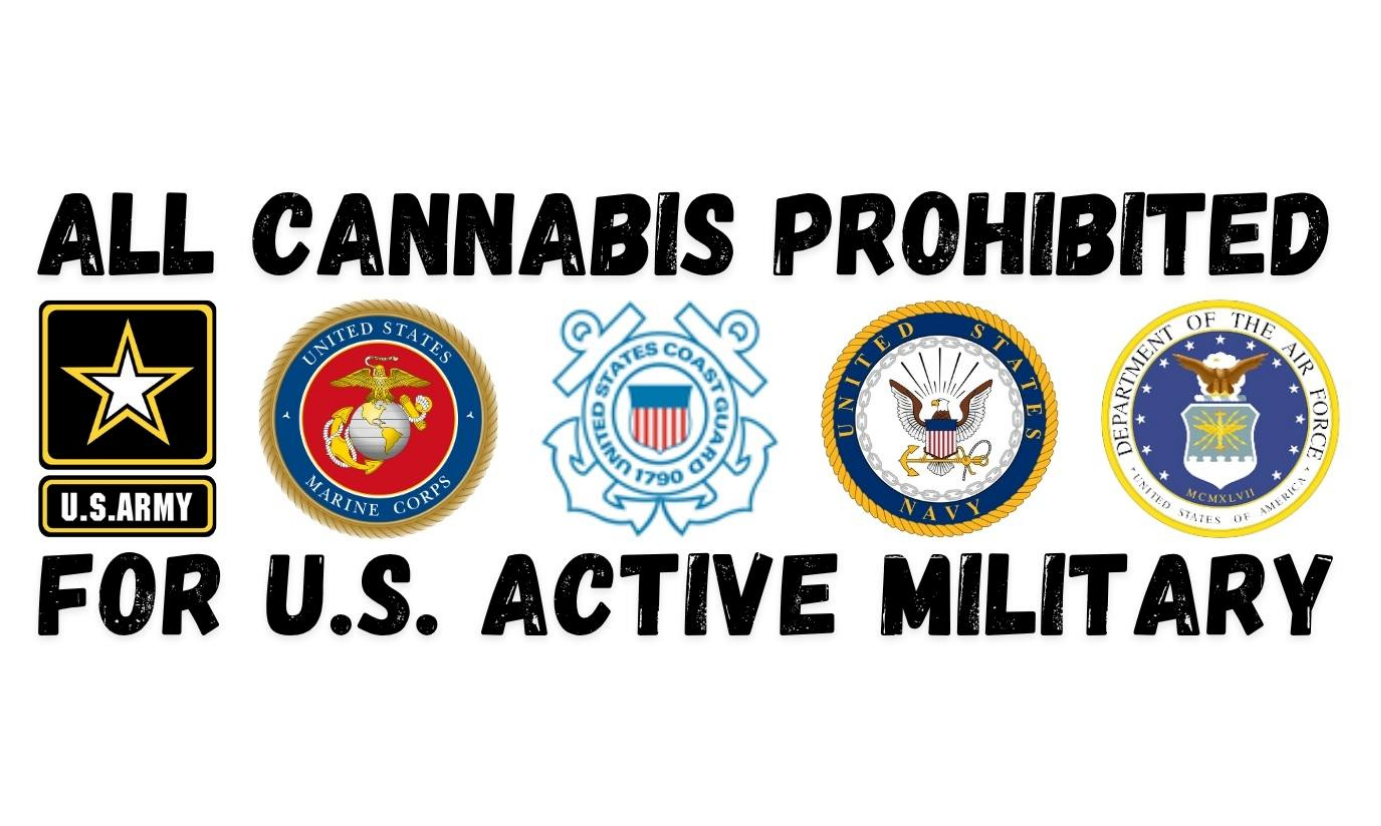
Medical cannabis may be legal in your state, but it is illegal to cross state lines, even if the bordering state also has a medical cannabis program. For more information about traveling as a medical cannabis patient, check out our Travel Guide.
Stigma and discrimination also make patients targets for law enforcement encounters. Keep in mind that the best law enforcement encounter is the one that never occurs! It's crucial for individuals involved in medical cannabis to understand not only medical cannabis laws and regulations but also their rights. Be Prepared. Know Your Rights!
| State laws frequently change; if you find information that is out of date, incorrect, or has a broken link, let us know! Email [email protected] |
Medical cannabis patients can find additional resources here.
Get Involved! Learn more about ASA Campaigns and Take Action to improve the lives of medical cannabis patients today!
If you appreciate ASA's work, join now to become a part of the movement & sign up to get ASA updates.
Share this page