MEDICAL CANNABIS PATIENTS & CAREGIVERS
|
The Georgia Department of Public Health oversees Georgia's limited cannabinoid program. Effective July 1, 2026, SB 220, the “Putting Georgia’s Patients First Act,” modernizes Georgia’s medical cannabis laws by replacing “Low THC Oil” with “medical cannabis” across Georgia statutes. Patients and their caregivers must be registered with the program to benefit from the rights and protections granted under these statutes. |
Medical cannabis may not be the best treatment choice for all patients. Learn more.
A LEGAL MEDICAL CANNABIS PATIENT ...
1. Is a Georgia resident.
2. Has one or more qualifying medical conditions:
- Any cancer except skin cancer, unless it is metastatic skin cancer
- Amyotrophic lateral sclerosis (ALS)
- Seizure disorders related to epilepsy or trauma-related head injuries
- Multiple sclerosis
- Inflammatory bowel disease
- Mitochondrial disease
- Parkinson's disease
- Sickle cell disease
- Tourette's syndrome, when severe
- Autism spectrum disorder for patients at least 18, or severe autism for minors
- Epidermolysis bullosa
- Alzheimer's disease
- Human immunodeficiency virus (HIV), Stage III
- Peripheral neuropathy, when severe or end-stage
- Post-traumatic stress disorder from direct exposure to or witnessing trauma, for patients at least 18
- Intractable pain
- Lupus
3. Is certified by a physician fully licensed to practice medicine in Georgia.
4. Possess a physical or electronic registration card issued by the Department of Public Health, or both if elected and available.
5. Registration must be current: Registration cards remain valid for five years. SB 220 states that cards remain valid so long as the patient or caregiver remains eligible based on annual certification of the continued diagnosis, but patients with incurable or irreversible conditions are not subject to annual certifications.
ENROLLMENT PROCESS
1. Consult with a physician about obtaining a Low THC Oil card if the patient has a qualifying condition.
2. If approved, complete the Low THC Oil Waiver, have it notarized, and give the waiver and valid identification for the patient and caregiver to the physician.
3. The physician registers/logs into the Low THC Oil Registry, completes the certification, enters the patient and caregiver information, uploads front/back identification images, and files the waiver and certification in the patient record.
4. Pay the $30 card fee by secure payment portal or by money order. Portal payment includes an additional service fee.
5. Payment must be submitted within 60 days of the payment request, or the card is canceled, and the patient must contact the physician to reinstate it.
6. After payment processing, the card is mailed by UPS to the address on file or sent to a nearby health department for patients without a secure address, or who use a P.O. Box. Cards can take up to 10 business days.
Effective July 1, 2026:
The same basic physician certification and DPH registry process remains, but the terminology changes to medical cannabis/Medical Cannabis Patient Registry. SB 220 authorizes electronic registration cards, physical cards, or both, at the patient/caregiver's election, subject to appropriations for electronic cards. DPH and the Georgia Composite Medical Board may update forms, registry workflows, and rules to implement SB 220.
PATIENT RENEWAL
To renew a medical cannabis card in Georgia, the patient must consult with their physician. The renewal is completed by the physician through the Low THC Oil Patient Registry. During the renewal process, the physician may update the patient’s information, including any caregiver information associated with the patient’s registration.
ENROLLING MINOR PATIENTS
A minor with a qualifying condition can be registered by a parent, guardian, or legal custodian-caregiver. For autism, minors must be diagnosed with severe autism.
A caregiver may be the legal guardian of an adult patient with a qualifying condition or the parent, guardian, or legal custodian of a minor patient with a qualifying condition. If more than one person provides care for the patient, each caregiver may apply for a separate caregiver card. Each caregiver card costs $30.
Updated Caregiver Categories Effective July 1, 2026
Beginning July 1, 2026, Georgia’s caregiver categories will expand. Eligible caregivers may include a parent, guardian, or legal custodian of a patient under age 18; the legal guardian of an adult patient; an adult designated by the patient to assist with purchasing, possessing, and administering medical cannabis or medical cannabis products; or a healthcare institution where the patient is receiving care, if the institution agrees to allow the patient to possess and use medical cannabis or medical cannabis products on the premises.
Possession Limits:
Patients may possess/purchase medical cannabis product(s) containing a cumulative total of 12,000 milligrams or less of THC in properly labeled pharmaceutical containers.
Dispensaries:
Medical cannabis in Georgia is regulated by the Georgia Access to Medical Cannabis Commission and is available only from licensed locations. Patients and caregivers may purchase medical cannabis from dispensaries licensed by the Commission or from pharmacies licensed by the Georgia Board of Pharmacy to sell these products.
To purchase medical cannabis at a licensed location, an individual must present an unexpired registration card issued by the state. In Georgia, these registration cards, also known as Low THC Oil Cards, are issued by the Department of Public Health.
Georgia may accept a medical cannabis registration card issued by another state if the cardholder has been in Georgia for fewer than 45 days.
Home Cultivation:
Home Cultivation is not allowed in Georgia.
Cannabis Product Safety:
Cannabis, in its natural form, is inherently safe for most patients, but it is especially susceptible to contaminants during cultivation, manufacturing, handling & even storing. Whether you are purchasing cannabis from regulated, grey, or illicit markets or cultivating your own cannabis, you should be aware of the contaminants commonly found in cannabis and the symptoms that accompany their presence.
Products sold in Georgia medical marijuana treatment centers must be tested for contaminants, pesticides, and adulterants in accordance with thresholds set by state regulators. Click here to see Georgia medical marijuana rules and regulations.
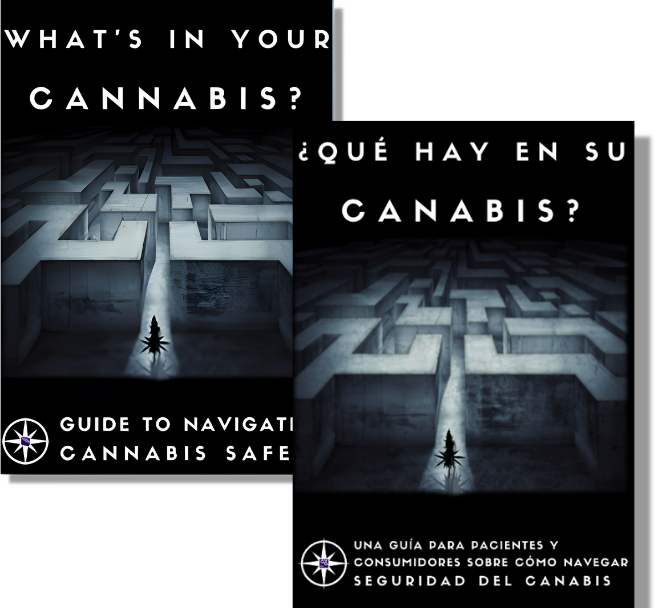
For more information about cannabis safety, download ASA's "What’s in Your Cannabis? A Patient & Consumer Guide to Navigating Cannabis Safety."
It can be challenging for patients to determine which businesses offering cannabis products are licensed and approved by the state. Review this list of medical cannabis retailers to find out where to purchase regulated cannabis in Minnesota.
Smoking or combustion of medical cannabis remains unlawful. Vaporization is not prohibited for adults over 21, but vaporization by anyone 21 years of age or younger is unlawful. Public-place vaporization using an electronic, chemical, or mechanical vapor device remains unlawful. DPH must promulgate rules to implement this section no later than January 1, 2027.
Patients must be registered to receive the legal protections and access available under state law. Registration helps patients demonstrate that their medical cannabis use is authorized and that they are participating in Georgia’s medical cannabis program.
Legal Protection for Possession
Registered patients and caregivers are protected under Georgia law when they possess medical cannabis in compliance with the state program. Registration provides important protection from arrest, prosecution, civil or administrative penalties, and professional discipline for patients, caregivers, certifying physicians, pharmacists, commission participants, designated universities, and licensees acting within Georgia’s medical cannabis law.
Access to Licensed Medical Cannabis Locations
Registered patients and caregivers may purchase medical cannabis from licensed Georgia dispensaries and pharmacies authorized to serve patients in the state program. Patients must present a valid, unexpired registration card to purchase medical cannabis from these licensed locations.
Access in Healthcare Settings
Beginning July 1, 2026, Georgia law also allows a healthcare institution where a patient is receiving care to serve as a caregiver if the institution agrees to allow the patient to possess and use medical cannabis or medical cannabis products on the premises. This may help support continuity of care for registered patients who rely on medical cannabis while receiving care in a healthcare setting.
Federal Protections Apply Only to Registered Patients
Some federal protections are now available, but only to patients who are officially registered in their state’s medical cannabis program.
A federal order issued April 28th,2026, AG Order No. 6754-2026, treats a state medical cannabis certification or registration as similar to a prescription under federal law. This means that being registered is not just a state requirement; it may also affect whether a patient qualifies for federal protections.
To receive these protections, a patient’s registration must stay active, current, and in good standing. Learn more here.
Georgia continues to limit the temporary recognition of a valid out-of-state medical cannabis registration card if the card allows the same possession of medical cannabis as Georgia law. The out-of-state card is not a lawful authority after the person has been present in Georgia for 45 days or more. The possession limit changes to products containing a cumulative 12,000 mg or less THC on July 1, 2026.
For more information about traveling as a medical cannabis patient, check out our Travel Guide.
*UPDATE: AG ORDER NO. 6754-2026 CHANGED FEDERAL CANNABIS LAWS ON APRIL 28, 2026: Learn more here.
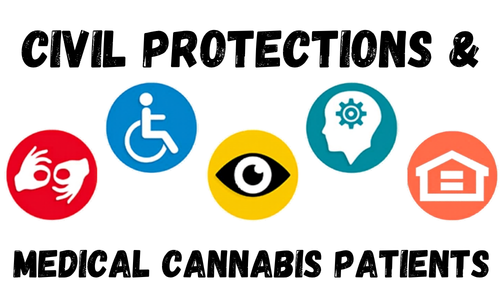
Federal cannabis laws affect far more than whether a patient can access medical cannabis. For decades, federal prohibition has limited protections for medical cannabis patients under laws such as the Americans with Disabilities Act (ADA) and the Fair Housing Act (FHA). As a result, patients have often been denied the basic protections that people with other serious health conditions expect in employment, housing, healthcare, and access to federal programs.
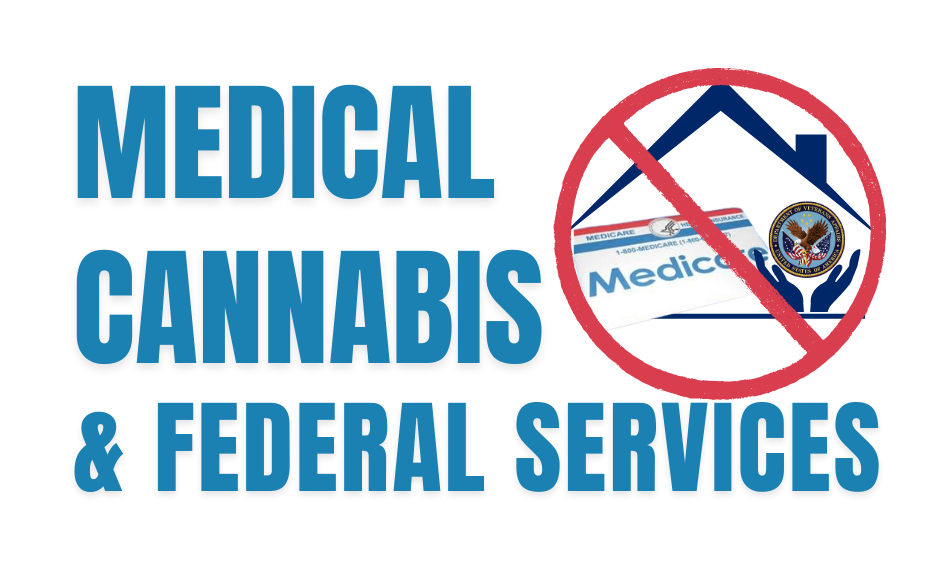
Federal prohibition has also affected patients’ access to essential healthcare, housing, and financial support programs, sometimes forcing patients to choose between the medicine they need and the benefits they depend on. It has also created barriers to federal employment, healthcare autonomy, firearm ownership, and other aspects of daily life.
As federal and state cannabis laws change, implementation matters. Advocates must stay vigilant to ensure public agencies, private institutions, employers, housing providers, and healthcare systems update their policies in ways that respect patient rights and protect safe, legal access to medical cannabis.
It is important to stay active, engaged, and informed. Sign up to get ASA updates and learn more about ending patient discrimination.
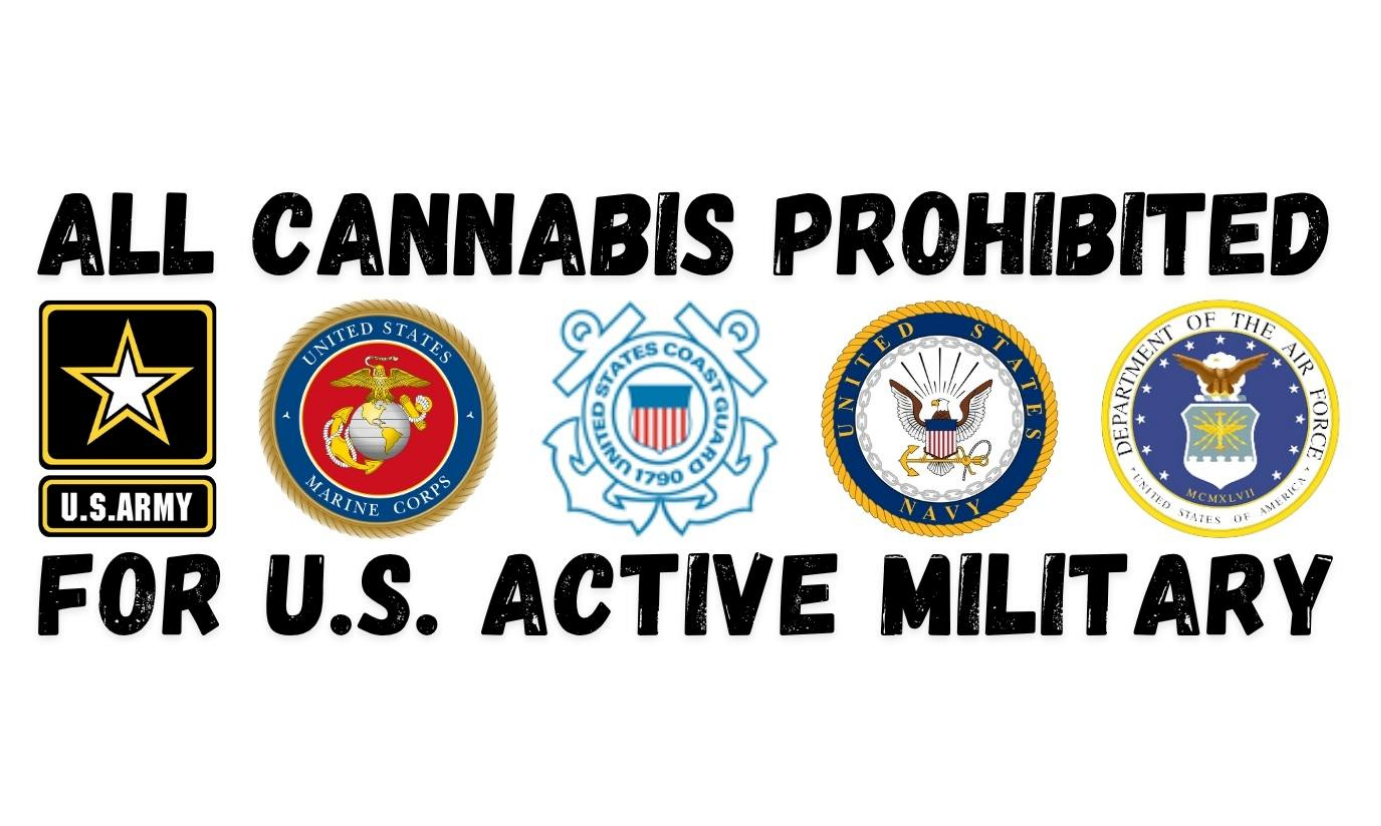
Rights and protections for medical cannabis patients are evolving. In some cases, outdated policies may impact how patients are treated. In other cases, like those in the military, policy changes will have to come from Washington, DC. In the case of organ transplants, stigma still plays a role in medical cannabis patients having access to life-saving treatment, even if state laws ban discrimination. Please use the resources below to better understand patient rights and how to navigate these programs and services.
Medical cannabis may be legal in your state, but it is illegal to cross state lines, even if the bordering state also has a medical cannabis program. For more information about traveling as a medical cannabis patient, check out our Travel Guide.
Stigma and discrimination also make patients targets for law enforcement encounters. Keep in mind that the best law enforcement encounter is the one that never occurs! It's crucial for individuals involved in medical cannabis to understand not only medical cannabis laws and regulations but also their rights. Be Prepared. Know Your Rights!
| State laws frequently change; if you find information that is out of date, incorrect, or has a broken link, let us know! Email [email protected] |
Medical cannabis patients can find additional resources here.
Get Involved! Learn more about ASA Campaigns and Take Action to improve the lives of medical cannabis patients today!
If you appreciate ASA's work, join now to become a part of the movement & sign up to get ASA updates.
Share this page