MEDICAL CANNABIS PATIENTS & CAREGIVERS
|
The Florida Department of Health Office of Medical Marijuana Use (OMMU) oversees the Florida Medical Cannabis Program, which was established in 2014 through the Compassionate Medical Cannabis Act of 2014 (SB 1030). Patients and their caregivers must be registered with the program to benefit from the rights and protections granted under these statutes. |
Medical cannabis may not be the best treatment choice for all patients. Learn more.
A Legal Medical Cannabis Patient:
1. Is a Florida resident (permanent or seasonal). Seasonal residents must live in Florida for at least 31 consecutive days per calendar year and provide proof of residency, such as a lease, utility bill, or Florida voter registration.
2. Is at least 18 years of age, or is a minor patient certified by two qualified physicians with written parental consent.
3. Has one of the qualifying medical conditions listed under Florida Statute 381.986.
Qualifying Medical Conditions include:
- Cancer
- Epilepsy
- Glaucoma
- HIV/AIDS
- Post-traumatic stress disorder (PTSD)
- Amyotrophic lateral sclerosis (ALS)
- Crohn's disease
- Parkinson's disease
- Multiple sclerosis (MS)
- Terminal conditions (diagnosed with a life expectancy of 12 months or less)
- Chronic nonmalignant pain caused by or originating from a qualifying medical condition
- Any medical condition of the same kind or class as or comparable to those listed, as determined by the certifying physician
4. Has a physician certification from a qualified Florida physician who is registered with the OMMU.
5. Is registered in the Medical Marijuana Use Registry and holds a valid identification card.
ENROLLMENT INSTRUCTIONS
Step 1: Complete an in-person evaluation with a qualified physician.
Florida law requires an in-person physical examination for your initial certification. Telehealth is not permitted for the initial visit. The physician will review your medical history, conduct an examination, and determine whether your condition qualifies under Florida Statute 381.986.
Patients and caregivers can use the Medical Marijuana Qualified Physician Search tool to find a qualified physician by location and specialty.
Step 2: The physician enters your certification in the OMMU registry.
If the physician certifies you, they will enter your information into the Medical Marijuana Use Registry on the same day. You will receive an email from OMMU with your login credentials.
Step 3: Complete your OMMU application online.
Log in to the Medical Marijuana Use Registry and complete your patient application. Upload a passport-style photo or choose to use the photo from your Florida State identification.
Step 4: Pay the application fee.
The state application fee is $75. Fee waivers are available for qualified veterans, SSDI recipients, and Medicaid recipients.
Step 5: Receive your card and access a dispensary.
OMMU processing typically takes 5–10 business days. Once approved, you may purchase medical cannabis at a licensed Medical Marijuana Treatment Center (MMTC).
PATIENT RENEWAL (RECERTIFICATION)
Physician certifications are valid for up to 210 days (approximately 7 months). Patients must be evaluated by their qualified physician at least once every 30 weeks to receive a renewal certification. Renewal visits may be conducted via telehealth. After your physician issues a renewal certification, you must also renew your OMMU patient card annually.
ENROLLING MINOR PATIENTS
Patients under 18 require two separate physician certifications from two different OMMU-qualified physicians, both confirming the qualifying condition and recommending cannabis treatment. Written consent from a parent or legal guardian is required. The parent or guardian must also register as the minor's caregiver.
A legal caregiver in Florida must
- Be a Florida resident
- Be 21 years of age or older
- Not be a qualified physician
- Not be employed by or have economic interest in a Medical Marijuana Treatment Center (MMTC) or a certified marijuana testing laboratory (CMTL)
- Successfully complete the caregiver certification course within the Medical Marijuana Use Registry every year
- Pass a background screening, unless the patient is a close relative of the caregiver
- Obtain and be in immediate possession of a Medical Marijuana Use Registry Caregiver identification card at all times when in possession of marijuana or a marijuana delivery device
- Not receive compensation, other than actual expenses incurred, for any services provided to the qualified patient
A caregiver may be registered to no more than one qualified patient, unless:
- The caregiver is a parent or legal guardian of more than one minor who is a qualified patient
- The caregiver is a parent or legal guardian of more than one adult who is a qualified patient and who has an intellectual or developmental disability that prevents the patient from being able to protect or care for himself or herself without assistance or supervision
- All qualified patients the caregiver has agreed to assist are admitted to a hospice program and have requested the assistance of that caregiver with the medical use of marijuana; the caregiver is an employee of the hospice; and the caregiver provides personal care or other services directly to clients of the hospice in the scope of that employment
- All qualified patients the caregiver has agreed to assist are participating in a research program in a teaching nursing home pursuant to section 1004.4351, Florida Statutes.
Product Forms:
Florida allows multiple forms of medical cannabis, including smokable flower, tinctures, edibles, capsules, vaporizable products, and topicals. These are available only through licensed Medical Marijuana Treatment Centers (MMTCs).
Possession Limits:
Florida law does not establish a single possession limit for qualified patients. Instead, the amount a qualified patient may possess is determined by their physician's certification and depends on the route of administration. Supply limits are set per 35-day or 70-day dispensing period and vary by product type. Patients should refer to their physician's certification for the specific amounts authorized for their use.
Dispensaries (MMTCs):
After enrollment is approved, you can purchase medical cannabis at a licensed MMTC. Home delivery is also available from licensed MMTCs. Find a Medical Marijuana Treatment Center.
What to Bring:
- Your valid Florida Medical Marijuana Use Registry ID card
- Government-issued photo ID
- A list of your current medications (recommended for your first visit)
- Payment for your medicine. Insurance does not cover the cost of medical cannabis
Home Cultivation:
Florida does not permit registered patients to grow cannabis at home.
Need tips on home cultivation?
Cannabis Product Safety:
Cannabis, in its natural form, is inherently safe for most patients, but it is especially susceptible to contaminants during cultivation, manufacturing, handling & even storing. Whether you are purchasing cannabis from regulated, grey, or illicit markets or cultivating your own cannabis, you should be aware of the contaminants commonly found in cannabis and the symptoms that accompany their presence.
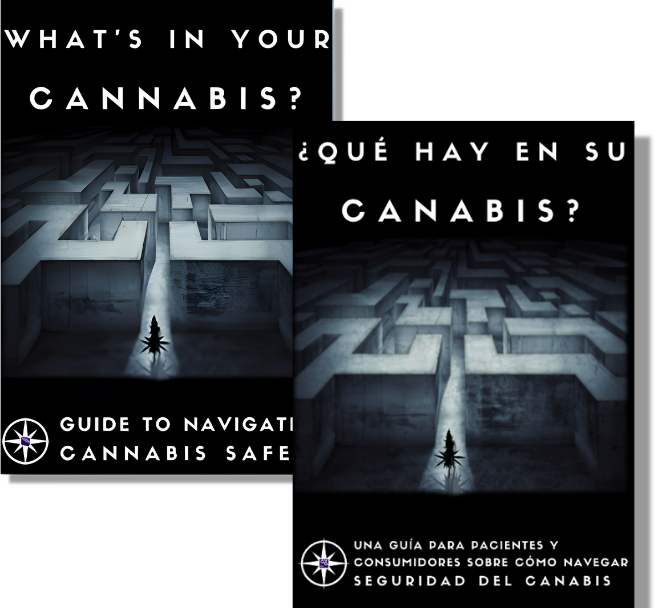
Products sold in Florida's dispensaries and adult-use retail locations must be tested for contaminants, pesticides, and adulterants based on these thresholds set by state regulators. For more information about cannabis safety, download ASA's "What’s in Your Cannabis? A Patient & Consumer Guide to Navigating Cannabis Safety."
It can be challenging for patients to determine which businesses offering cannabis products are licensed and approved by the state. Review this list of medical cannabis retailers to find out where to purchase regulated cannabis in Florida.
Registered patients may use medical cannabis in private settings. Florida law prohibits the smoking of cannabis in any public place and on certain premises.
Patients CANNOT use or possess medical cannabis in these locations:
- Any public place
- Any school bus or within 1,000 feet of a school
- Any correctional facility
- Any workplace (unless the employer permits it)
- While operating a motor vehicle
Florida does not have an adult-use cannabis program. Medical registration is the only legal pathway to access cannabis in the state. Registration with the OMMU is required to legally purchase, possess, and use cannabis.
Federal Protections Apply Only to Registered Patients
Some federal protections are now available, but only to patients who are officially registered in their state’s medical cannabis program.
A federal order issued April 28th,2026, AG Order No. 6754-2026, treats a state medical cannabis certification or registration as similar to a prescription under federal law. This means that being registered is not just a state requirement; it may also affect whether a patient qualifies for federal protections.
To receive these protections, a patient’s registration must stay active, current, and in good standing. Learn more here.
Legal Protections:
Registered patients with a valid OMMU identification card are protected from arrest, prosecution, or penalty for purchasing, possessing, or using cannabis within the limits allowed by their physician certification, per Florida Statute 381.986.
Tax Benefits
Qualified patients in Florida receive a significant tax benefit: medical cannabis and cannabis delivery devices purchased from a licensed Medical Marijuana Treatment Center (MMTC) are exempt from Florida state sales tax. The standard Florida state sales tax rate is 6%, plus applicable local surtaxes of up to 1.5%. Qualified patients pay neither on their medical cannabis purchases.
This exemption applies only to medical cannabis and cannabis delivery devices dispensed to a qualified patient or their caregiver from a licensed MMTC. Other products available at a dispensary — such as accessories or non-medical items — may still be subject to sales tax.
Florida does not offer reciprocity for out-of-state medical cannabis patients. Only Florida residents (permanent or qualifying seasonal residents) may obtain a Florida Medical Marijuana Use Registry card. Out-of-state patients cannot legally purchase cannabis in Florida.
*UPDATE: AG ORDER NO. 6754-2026 CHANGED FEDERAL CANNABIS LAWS ON APRIL 28, 2026: Learn more here.
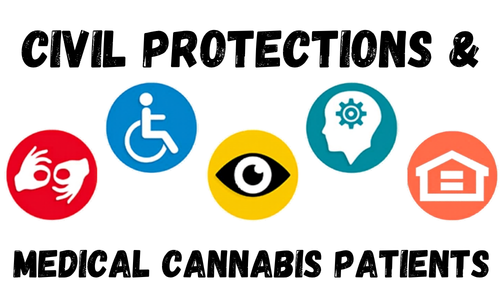
Federal cannabis laws affect far more than whether a patient can access medical cannabis. For decades, federal prohibition has limited protections for medical cannabis patients under laws such as the Americans with Disabilities Act (ADA) and the Fair Housing Act (FHA). As a result, patients have often been denied the basic protections that people with other serious health conditions expect in employment, housing, healthcare, and access to federal programs.
Federal prohibition has also affected patients’ access to essential healthcare, housing, and financial support programs, sometimes forcing patients to choose between the medicine they need and the benefits they depend on. It has also created barriers to federal employment, healthcare autonomy, firearm ownership, and other aspects of daily life.
As federal and state cannabis laws change, implementation matters. Advocates must stay vigilant to ensure public agencies, private institutions, employers, housing providers, and healthcare systems update their policies in ways that respect patient rights and protect safe, legal access to medical cannabis.
It is important to stay active, engaged, and informed. Sign up to get ASA updates and learn more about ending patient discrimination.
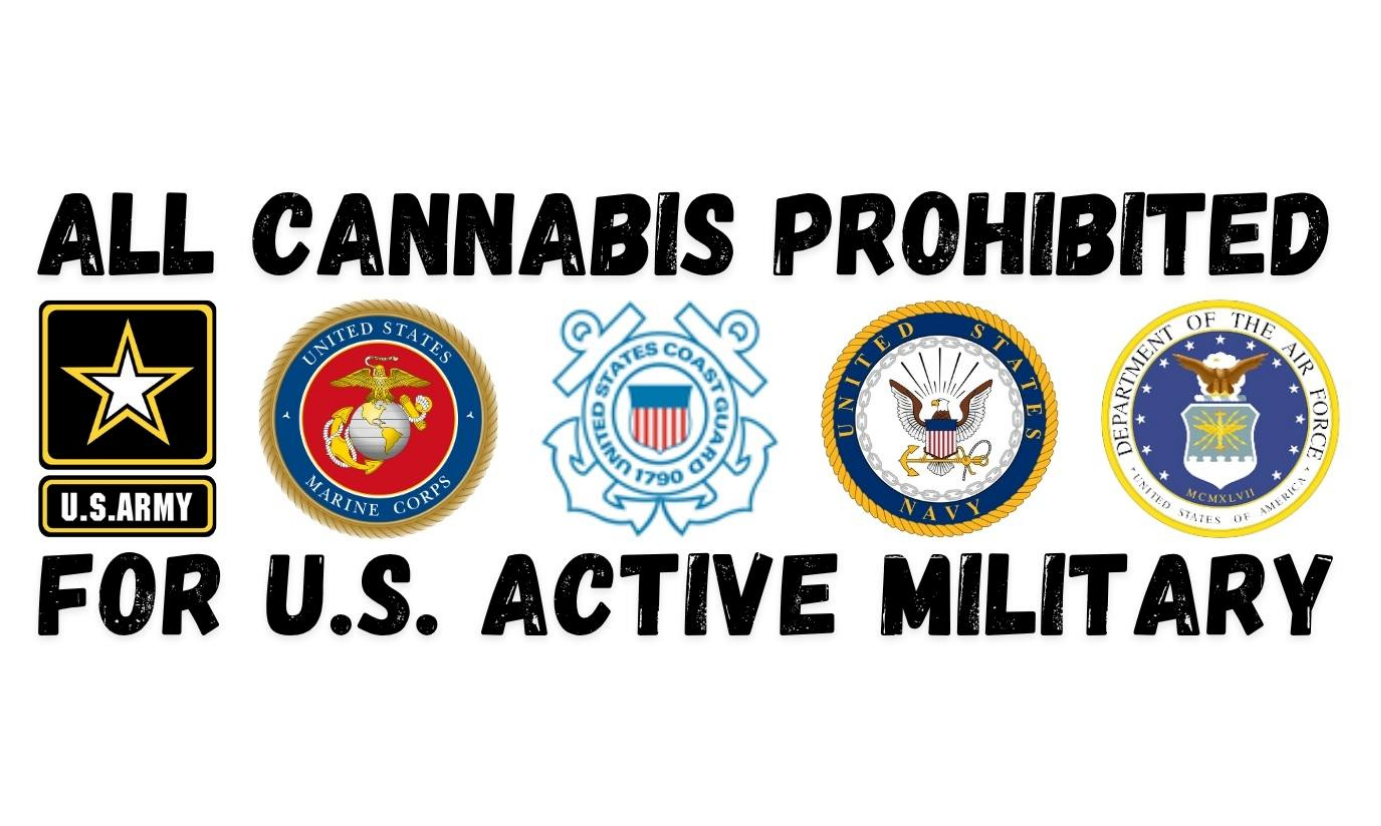
Rights and protections for medical cannabis patients are evolving. In some cases, outdated policies may impact how patients are treated. In other cases, like those in the military, policy changes will have to come from Washington, DC. In the case of organ transplants, stigma still plays a role in medical cannabis patients having access to life-saving treatment, even if state laws ban discrimination. Please use the resources below to better understand patient rights and how to navigate these programs and services.
Medical cannabis may be legal in your state, but it is illegal to cross state lines, even if the bordering state also has a medical cannabis program. For more information about traveling as a medical cannabis patient, check out our Travel Guide.
Stigma and discrimination also make patients targets for law enforcement encounters. Keep in mind that the best law enforcement encounter is the one that never occurs! It's crucial for individuals involved in medical cannabis to understand not only medical cannabis laws and regulations but also their rights. Be Prepared. Know Your Rights!
| State laws frequently change; if you find information that is out of date, incorrect, or has a broken link, let us know! Email [email protected] |
Medical cannabis patients can find additional resources here.
Get Involved! Learn more about ASA Campaigns and Take Action to improve the lives of medical cannabis patients today!
If you appreciate ASA's work, join now to become a part of the movement & sign up to get ASA updates.
Share this page