MEDICAL CANNABIS PATIENTS & CAREGIVERS
|
Nebraska voters approved medical cannabis in 2024, authorizing qualified patients to use and possess cannabis for medical purposes. Implementation is being handled through the Nebraska Medical Cannabis Commission. Rules and regulations are still being phased in for licensing, the retail dispensary network, and the patient-card system. |
Medical cannabis may not be the best treatment choice for all patients. Learn more.
A LEGAL MEDICAL CANNABIS PATIENT ...
1. Is a resident of Nebraska.
2. Is eighteen years of age or older with a written recommendation from a health care practitioner; or if under 18, has a valid written recommendation from a healthcare practitioner and written permission from a parent or legal guardian with authority to make healthcare decisions for the minor patient.
3. Written recommendation/program enrollment is active and up to date. A written recommendation is valid for two years from the date it is issued, unless the healthcare practitioner specifies a shorter period.
Details about Nebraska’s medical cannabis program are still forthcoming and subject to ongoing state rulemaking.
ENROLLMENT PROCESS
Written recommendation means a valid, signed, and dated declaration from a health care practitioner stating that, in the health care practitioner's professional judgment, the potential benefits of cannabis outweigh the potential harms for the alleviation of a patient's medical condition, its symptoms, or side effects of the condition's treatment
Details about Nebraska’s medical cannabis program are still forthcoming and subject to ongoing state rulemaking.
PATIENT RENEWAL
Details about Nebraska’s medical cannabis program are still forthcoming and subject to ongoing state rulemaking.
ENROLLING MINOR PATIENTS
Details about Nebraska’s medical cannabis program are still forthcoming and subject to ongoing state rulemaking.
A caregiver is a person or organization authorized to assist a qualified medical cannabis patient. For an adult qualified patient who is 18 or older and not under the protection of a legal guardian, a caregiver may be a person who is at least 21 years old and has been designated by the patient in a signed affidavit.
For a qualified patient who is under 18, or an adult patient who is under the protection of a legal guardian, the caregiver may be the patient’s parent or legal guardian with the authority to make healthcare decisions. The parent or legal guardian may also designate another person to serve as caregiver through a sworn affidavit.
A healthcare facility or home health agency may also serve as a caregiver if it has been designated by the patient, parent, or legal guardian in a sworn affidavit and agrees in writing to serve as the patient’s caregiver.
Details about Nebraska’s medical cannabis program are still forthcoming and subject to ongoing state rulemaking.
ACCESSING MEDICAL CANNABIS
Details about Nebraska’s medical cannabis program are still forthcoming and subject to ongoing state rulemaking.
Legal Protection for Possession
Registered patients and caregivers are protected under Nebraska law when they possess medical cannabis in compliance with the state program. Registration provides important protection from arrest and prosecution.
Access to Licensed Medical Cannabis Locations
Registered patients and caregivers may purchase medical cannabis from licensed Georgia dispensaries and pharmacies authorized to serve patients in the state program. Patients must present a valid, unexpired registration card to purchase medical cannabis from these licensed locations.
Access in Healthcare Settings
Nebraska law also allows a healthcare institution where a patient is receiving care to serve as a caregiver if the institution agrees to allow the patient to possess and use medical cannabis or medical cannabis products on the premises. This may help support continuity of care for registered patients who rely on medical cannabis while receiving care in a healthcare setting.
Federal Protections Apply Only to Registered Patients
Some federal protections are now available, but only to patients who are officially registered in their state’s medical cannabis program.
A federal order issued April 28th,2026, AG Order No. 6754-2026, treats a state medical cannabis certification or registration as similar to a prescription under federal law. This means that being registered is not just a state requirement; it may also affect whether a patient qualifies for federal protections.
To receive these protections, a patient’s registration must stay active, current, and in good standing. Learn more here.
The state of Minnesota does not recognize out-of-state patients. For more information about traveling as a medical cannabis patient, check out our Travel Guide.
*UPDATE: AG ORDER NO. 6754-2026 CHANGED FEDERAL CANNABIS LAWS ON APRIL 28, 2026: Learn more here.
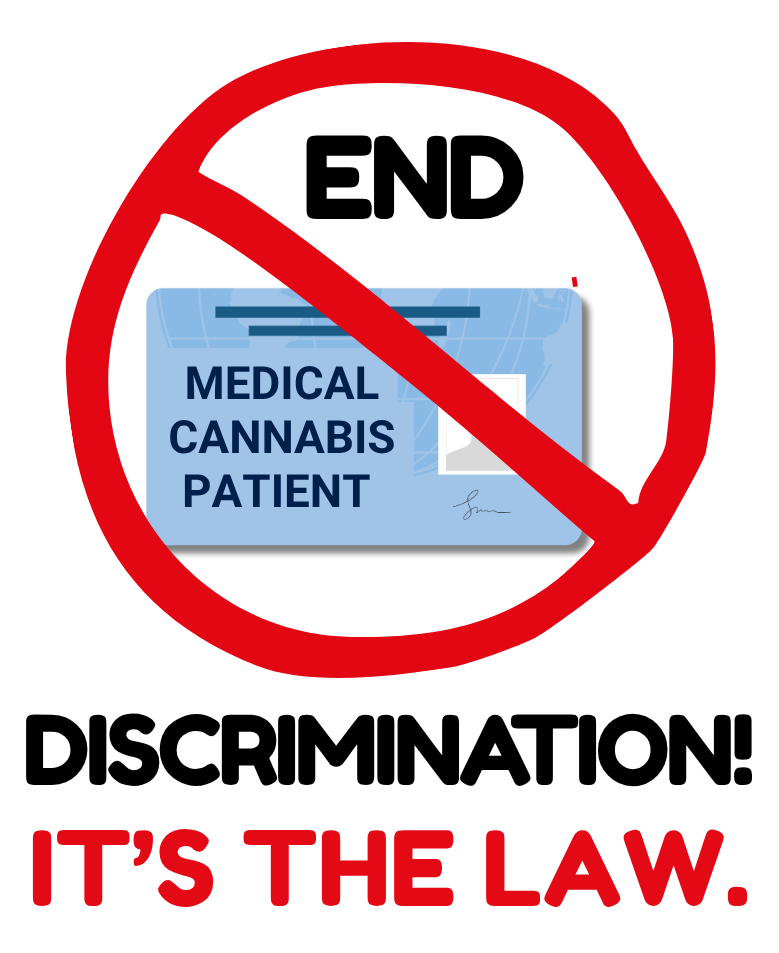
Federal cannabis laws affect far more than whether a patient can access medical cannabis. For decades, federal prohibition has limited protections for medical cannabis patients under laws such as the Americans with Disabilities Act (ADA) and the Fair Housing Act (FHA). As a result, patients have often been denied the basic protections that people with other serious health conditions expect in employment, housing, healthcare, and access to federal programs.
Federal prohibition has also affected patients’ access to essential healthcare, housing, and financial support programs, sometimes forcing patients to choose between the medicine they need and the benefits they depend on. It has also created barriers to federal employment, healthcare autonomy, firearm ownership, and other aspects of daily life.
As federal and state cannabis laws change, implementation matters. Advocates must stay vigilant to ensure public agencies, private institutions, employers, housing providers, and healthcare systems update their policies in ways that respect patient rights and protect safe, legal access to medical cannabis.
It is important to stay active, engaged, and informed. Sign up to get ASA updates and learn more about ending patient discrimination.
Rights and protections for medical cannabis patients are evolving. In some cases, outdated policies may impact how patients are treated. In other cases, like those in the military, policy changes will have to come from Washington, DC. In the case of organ transplants, stigma still plays a role in medical cannabis patients having access to life-saving treatment, even if state laws ban discrimination. Please use the resources below to better understand patient rights and how to navigate these programs and services.
Medical cannabis may be legal in your state, but it is illegal to cross state lines, even if the bordering state also has a medical cannabis program. For more information about traveling as a medical cannabis patient, check out our Travel Guide.
Stigma and discrimination also make patients targets for law enforcement encounters. Keep in mind that the best law enforcement encounter is the one that never occurs! It's crucial for individuals involved in medical cannabis to understand not only medical cannabis laws and regulations but also their rights. Be Prepared. Know Your Rights!
| State laws frequently change; if you find information that is out of date, incorrect, or has a broken link, let us know! Email [email protected] |
Medical cannabis patients can find additional resources here.
Get Involved! Learn more about ASA Campaigns and Take Action to improve the lives of medical cannabis patients today!
If you appreciate ASA's work, join now to become a part of the movement & sign up to get ASA updates.

Share this page