MEDICAL CANNABIS PATIENTS & CAREGIVERS
|
The Missouri medical cannabis program was created through Amendment 2, passed in 2022. Patients and their caregivers must be registered with the Division of Cannabis Regulation to benefit from the rights and protections granted under these statutes. |
Medical cannabis may not be the best treatment choice for all patients. Learn more.
A LEGAL MEDICAL CANNABIS PATIENT ...
1. Does not need to be a Missouri resident. Missouri removed the residency requirement; patients from other states may apply. Minors may participate with the written consent of a parent or legal guardian, who must also register as the minor's primary caregiver.
2. Has a qualifying medical condition certified by a Missouri-licensed MD, DO, or nurse practitioner who is active and in good standing in the state. Qualifying conditions include:
- Cancer
- Epilepsy
- Glaucoma
- Intractable migraines unresponsive to other treatment
- A chronic medical condition causing severe, persistent pain or muscle spasms, such as multiple sclerosis, seizures, Parkinson's disease, or Tourette's syndrome
- Debilitating psychiatric disorders diagnosed by a licensed psychiatrist, such as post-traumatic stress disorder (PTSD)
- HIV/AIDS
- Crohn's disease
- Ulcerative colitis
- Agitation associated with Alzheimer's disease or dementia
- Autism spectrum disorder with associated behaviors
- Sickle cell anemia
- Terminal illness with a life expectancy of less than 12 months
- Hepatitis C
- Amyotrophic lateral sclerosis (ALS)
- Any other chronic, debilitating, or medical condition that, in the professional judgment of a physician, would benefit from medical cannabis
3. Has a physician or nurse practitioner certification submitted electronically to the Division of Cannabis Regulation (DCR) through the online registry portal by their certifying medical professional. The certification form must be dated no more than 30 days before the patient submits their application.
4. Is registered through the DCR online registry portal. (Missouri does not mail physical ID cards. Once approved, patients download their ID directly from the registry portal.)
ENROLLMENT PROCESS
Step 1: Obtain a certification from a registered Missouri-licensed MD, DO, or nurse practitioner.
Your certifying medical professional must register with DCR before they can submit certification forms. Telemedicine certifications may be permitted if the standard of care does not require an in-person encounter and if the certifying professional can fully and truthfully complete all attestations on the certification form. The completed certification is submitted electronically by the certifying professional directly through the online registry portal. The certification is valid for 30 days from the date of signature. Patients must submit their application within that 30-day window.
Step 2: Register and complete your patient application.
Create an account and submit your application through the DCR online registry portal. Only applications submitted through the online portal are accepted. Mail-in and walk-in applications are not accepted.
Step 3: Provide required documentation. Your application must include:
- The completed electronic physician or nurse practitioner certification form (submitted by your certifying professional)
- A legible copy of a government-issued photo ID
- A clear, color digital photo showing your full face from the shoulders up, taken within the last 3 months (no filters, hats, or sunglasses; not a photo of your ID or passport)
- Payment of the $28.14 application fee (FY2026 rate)
Step 4: Wait for processing and download your ID.
The department has 30 days to process applications. Applications are processed in the order received. You will receive email notifications when your application is submitted, rejected, approved, or denied. Once approved, log in to the portal, navigate to your License Dashboard, and download your patient ID. The department does not mail physical cards.
PATIENT RENEWAL
Patient ID cards valid for 3 years must be renewed through the DCR online registry portal.
- The renewal window opens 60 days before your card expires and closes 30 days before expiration. You may submit after the 30-day window, but DCR cannot guarantee processing before your card expires.
- DCR will send reminder notices 60, 45, 30, and 15 days before expiration to the email address associated with your account.
- Renewed cards are valid for 3 years from the original expiration date, not from the date of renewal approval.
Your renewal application must include:
- A new physician or nurse practitioner certification form, signed no more than 30 days before you submit your renewal
- A current government-issued photo ID
- A clear, color digital photo, taken within the last 3 months
- Payment of the $28.14 renewal fee
- Any information that has changed since your last application
If your renewal application is incomplete, DCR will return it to you with instructions. You will have 10 calendar days to correct and resubmit. Applications not resubmitted within 10 days will be denied. There is no additional fee to correct and resubmit a rejected application.
ENROLLING MINOR PATIENTS
Patients under the age of 18 may participate in the Missouri medical cannabis program with parental or legal guardian involvement. DCR Patient FAQ:
- A physician or nurse practitioner certification must be completed for the minor by a Missouri-licensed MD, DO, or nurse practitioner in good standing.
- The minor patient's application must include a completed and signed Parent/Legal Guardian Consent Form. This form must be signed by the parent or legal guardian listed in the minor's application.
- Once the minor's patient ID is approved, the parent or legal guardian who signed the consent form must also apply for and be approved as the minor's primary caregiver. Only a parent or legal guardian may serve as the minor patient's licensed caregiver.
- Minor patients may not obtain a cultivation authorization ID card unless they are emancipated. For non-emancipated minor patients, only the parent or legal guardian who holds a primary caregiver ID card may apply for a cultivation license on the minor's behalf.
A caregiver in Missouri
- is at least 21 years of age
- is responsible for managing the well-being of a qualifying patient
A caregiver may be licensed as a caregiver for up to 6 separate qualifying patients and may hold up to 6 caregiver ID cards.
For minor patients, only a parent or legal guardian may serve as the licensed caregiver. A qualifying patient may designate up to 2 caregivers.
Registration process:
- The qualifying patient must complete a Patient Authorization Form, which authorizes the caregiver to purchase and possess medical cannabis on the patient's behalf. The patient's approved ID card number (beginning with PAT) is required on this form.
- The caregiver must create their own account in the DCR online registry portal and submit a New Caregiver Application. Caregivers must register and apply under their own account, not the patient's account.
- Required documentation includes: a completed Patient Authorization Form; a legible copy of the caregiver's government-issued photo ID; a clear, color digital photo of the caregiver; and the $28.14 caregiver ID card application fee.
- Caregiver ID cards are valid for 3 years for applications processed on or after December 8, 2022.
Caregiver authority and limits:
- Licensed caregivers may purchase up to 6 ounces of dried, processed cannabis or its equivalent on behalf of each qualifying patient within a 30-day period.
- Caregivers may possess up to a 60-day supply (12 ounces, unless the patient has a certification for a higher amount) on behalf of each qualifying patient. All cannabis in the caregiver's possession must be stored separately for each patient and labeled with the qualifying patient's name.
- Caregivers may also be authorized to cultivate medical cannabis plants on behalf of qualifying patients, subject to a separate cultivation authorization ID card. A caregiver who is also an authorized cultivator may cultivate for each patient they serve, but may not exceed 24 flowering plants in total, regardless of the number of patients.
- Licensed caregivers are not authorized to sell medical cannabis. Only DCR-licensed dispensaries may sell medical cannabis.
Dispensaries:
After your ID card is approved, you may purchase medical cannabis at any DCR-licensed Missouri dispensary. Only dispensaries licensed by the Division of Cannabis Regulation are authorized to sell medical cannabis in Missouri. The DCR licensed facility list is updated regularly.
WHAT TO BRING
- Your valid Missouri medical cannabis patient ID (downloaded from the online registry portal)
- A government-issued photo ID
- Payment for your medicine. Insurance does not cover the cost of medical cannabis
- A list of your current medications (recommended for your first visit)
POSSESSION LIMITS
Under Missouri Constitution Article XIV, Section 1 and 19 CSR 100-1.040:
- Registered qualifying patients may purchase up to 6 ounces of dried, processed cannabis or its equivalent within any 30-day period.
- Patients may be in possession of up to a 60-day supply, which is 12 ounces (or its equivalent), at any one time.
- If a certifying physician or nurse practitioner determines there is a compelling reason for a patient to need more than 6 ounces in a 30-day period, the certifying professional may certify a higher amount. That higher amount must be specified on the certification form.
- Patients with a cultivation authorization may possess up to a 90-day supply, provided that any amount above their 60-day limit is stored in a DCR-approved enclosed, locked facility.
- Missouri Marijuana Equivalency Units (MMEs) are used to track purchases across product types. One MME equals 3.5g of flower, 1g of concentrate, or 100mg of THC-infused product. Standard patients are allowed up to 48 MMEs within a rolling 30-day period.
- Patients registered in Missouri who also purchase as adult-use consumers may not exceed their patient purchase and possession limits by combining the two. Patients who reach their monthly purchase limit may not make additional purchases as a consumer until the next 30-day period begins.
Possessing cannabis in excess of your legal limit may result in fines, loss of your patient card, or criminal charges. Dispensary licensees are required by law to report to DCR if they observe an individual exceeding their purchase or possession limits.
Home Cultivation:
Qualifying patients may apply for a separate patient cultivation authorization ID card through the DCR online registry portal. A valid patient ID card is required before a cultivation authorization card can be issued.
- Licensed patients may cultivate up to 6 flowering plants, 6 non-flowering plants 14 inches tall or more, and 6 non-flowering plants under 14 inches tall in a single enclosed, locked facility.
- No more than 12 flowering plants total may be cultivated in a single enclosed, locked facility (for example, when two licensed patient cultivators share a space under the shared cultivation provision).
- Cultivation must take place at the address registered with DCR, in a stationary, fully enclosed, locked space with functioning security devices. Plants must not be visible to the unaided eye from a public space.
- Only one individual in a patient-caregiver relationship may hold a cultivation authorization. If the caregiver is authorized to cultivate, the patient is not, and vice versa.
- Patients who cultivate may possess up to a 90-day supply of dried, unprocessed cannabis, provided that any amount above their standard 60-day possession limit is kept in a DCR-approved enclosed, locked facility.
- The patient cultivation authorization ID card fee is $56.27, per the DCR Fee Schedule.
- The cultivation card is valid as long as the patient's ID card remains valid, up to 3 years.
- Cultivated cannabis is for the exclusive personal medical use of the qualifying patient. Licensed cultivators are strictly prohibited from selling cultivated cannabis.
Need tips on home cultivation?
Cannabis Product Safety:
Cannabis, in its natural form, is inherently safe for most patients, but it is especially susceptible to contaminants during cultivation, manufacturing, handling & even storing. Whether you are purchasing cannabis from regulated, grey, or illicit markets or cultivating your own cannabis, you should be aware of the contaminants commonly found in cannabis and the symptoms that accompany their presence.
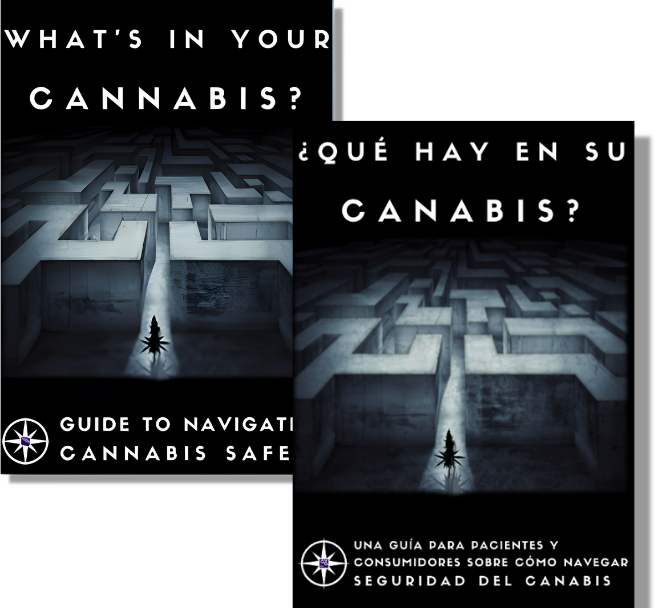
Products sold in Missouri's dispensaries and adult-use retail locations must be tested for contaminants, pesticides, and adulterants based on these thresholds set by state regulators. For more information about cannabis safety, download ASA's "What’s in Your Cannabis? A Patient & Consumer Guide to Navigating Cannabis Safety."
It can be challenging for patients to determine which businesses offering cannabis products are licensed and approved by the state. Review this list of medical cannabis retailers to find out where to purchase regulated cannabis in Missouri.
Registered qualifying patients may use medical cannabis in permitted private locations. Missouri does not authorize use in any public place, except in areas specifically licensed for cannabis consumption by the state or by local authorities.
Under Missouri Constitution Article XIV, Section 1, patients may NOT use or possess medical cannabis in the following circumstances:
- In any public place, unless the location has been specifically licensed for cannabis consumption by DCR or by local authorities with jurisdiction over such licensing. A civil penalty of up to $100 may be imposed for smoking medical cannabis in a public place where no such license exists.
- In any jail or correctional facility.
- While operating, navigating, or in actual physical control of any motor vehicle, aircraft, or motorboat. Note: a patient's arrest or conviction for operating while impaired requires evidence of actual impairment, not solely the presence of THC or THC metabolites in the person's system.
- In any situation where use would constitute negligence or professional malpractice.
ADDITIONAL NOTES FOR PATIENTS
- Home use is permitted. Patients may use medical cannabis in their private residences.
- Local governments may regulate the time, place, and manner of cannabis activity in their jurisdiction, but may not prohibit it outright or make it unduly burdensome.
- Patients on pre-trial release, probation, parole, or other supervised release may not be prohibited from legally using medical cannabis as a condition of that release under Article XIV.
- Patients participating in alternative sentencing drug court programs may not be prohibited from using medical cannabis as long as they hold a valid qualifying patient identification card.
- A family court participant who is a registered qualifying patient shall not be required to refrain from using medical cannabis as a term or condition of completing a family court program. A patient's registered status and lawful cannabis use may not, by itself, be used to restrict or abridge custodial or parental rights.
Missouri has an adult-use cannabis program, but registering as a medical cannabis patient still offers important benefits. While the medical program may require additional steps, registration can provide patients and caregivers with added support, stronger protections, and access to medical guidance.
Federal Protections Apply Only to Registered Patients
Some federal protections are now available, but only to patients who are officially registered in their state’s medical cannabis program.
A federal order issued April 28th,2026, AG Order No. 6754-2026, treats a state medical cannabis certification or registration as similar to a prescription under federal law. This means that being registered is not just a state requirement; it may also affect whether a patient qualifies for federal protections.
To receive these protections, a patient’s registration must stay active, current, and in good standing. Learn more here.
LEGAL PROTECTIONS
Registered qualifying patients and their primary caregivers are protected from arrest, criminal prosecution, and civil liability under Missouri Constitution Article XIV, Section 1, subsection 5, provided they comply with all program requirements and remain within their possession and purchase limits.
Specifically, a qualifying patient or primary caregiver who produces a valid identification card on demand to the appropriate authority is not subject to arrest, criminal liability, civil liability, or sanctions under Missouri law for:
- Possessing medical cannabis in quantities at or below their legal limit
- Transporting medical cannabis within the limits authorized by Article XIV
- Administering medical cannabis to a qualifying patient
- Cultivating up to six flowering plants, six non-flowering plants (14 inches or taller), and six clones (under 14 inches) per qualifying patient, where a cultivation authorization card has been issued
These protections extend to primary caregivers acting on behalf of qualifying patients.
Additional patient protections under Article XIV include:
- A patient's lawful marijuana activity may not be the basis for a violation of parole, probation, or any form of supervised release.
- Patients on pre-trial release, probation, or parole shall not be prohibited from using medical cannabis as a condition of that release.
- Patients participating in alternative sentencing drug court programs may not be prohibited from using medical cannabis as long as they hold a valid qualifying patient identification card.
- Evidence of cannabis alone, without specific evidence that it exceeds lawful amounts, cannot be the basis for a search of a patient, their home, vehicle, or other property.
- Real and personal property used in lawful medical cannabis cultivation, manufacture, transport, testing, distribution, sale, or administration is not subject to asset forfeiture solely because of that use.
- State and local law enforcement may access registry information only to confirm whether a targeted person holds a valid identification card.
Out-of-state patients who produce an equivalent identification card or authorization issued by another state are also protected from arrest and other sanctions under Missouri law for possession of cannabis in quantities less than the Missouri patient limit, and may purchase medical cannabis from a Missouri licensed dispensary in compliance with DCR regulations.
PRIVACY PROTECTIONS
Patient registry information is protected under Missouri Constitution Article XIV, Section 1, subsection 3(5). Key provisions include:
- Patient information held by DCR may only be released for purposes authorized by federal law and Article XIV, including verifying that a person who presented a patient identification card to a state or local law enforcement official is lawfully in possession of that card.
- State and local law enforcement may access registry information only to the extent necessary to confirm whether a targeted person holds a valid registration card.
- Individualized consumer information is specifically listed among categories of information that qualify as proprietary business information and are closed to public disclosure.
CIVIL PROTECTIONS
- Employment - Registered qualifying patients and their primary caregivers are protected from employment discrimination under Missouri Constitution Article XIV, Section 1, subsection 7(15). Unless a failure to do so would cause an employer to lose a monetary or licensing-related benefit under federal law, an employer may not discriminate against a person in hiring, termination, or any term or condition of employment based on:
-
- The person's status as a qualifying patient or primary caregiver who holds a valid identification card, including the person's legal use of medical cannabis off the employer's premises during nonworking hours, unless the person was under the influence of medical cannabis on the employer's premises or during the hours of employment.
- A positive drug test for cannabis components or metabolites, if the person holds a valid qualifying patient identification card, unless the person used, possessed, or was under the influence of medical cannabis on the premises of the place of employment or during the hours of employment.
- These protections do not apply to employees in positions where the legal use of cannabis affects their ability to perform job-related responsibilities or the safety of others, or conflicts with a bona fide occupational qualification that is reasonably related to their employment.
-
Child Custody - Registered qualifying patients are protected from adverse child custody and parental rights determinations under Missouri Constitution Article XIV, Section 1, subsections 5(14) and 5(15):
- A family court participant or party who uses medical cannabis in accordance with Article XIV shall not be required to refrain from medical cannabis use as a term or condition of successfully completing a family court program.
- The status and conduct of a qualifying patient who acts in accordance with Article XIV shall not, by itself, be used to restrict or abridge custodial or parental rights to minor children in any action or proceeding under family court jurisdiction under Chapter 487, RSMo, domestic matters under Chapter 452, RSMo, or juvenile court under Chapter 211, RSMo, or successor provisions.
- No person shall be denied adoption, custody, or visitation rights relative to a minor solely for conduct that is permitted by Article XIV.
- Organ Transplant - Registered qualifying patients are protected from denial of organ transplants and other medical care under Missouri Constitution Article XIV, Section 1, subsection 5(2). No patient shall be denied access to or priority for an organ transplant or other medical care because they hold a qualifying patient identification card or use cannabis for medical use.
TAX BENEFITS
Missouri medical cannabis purchases are taxed at a lower rate than adult-use purchases.
- Medical cannabis sold at licensed dispensaries is subject to a 4% state retail sales tax, in addition to applicable general state and local sales and use taxes.
- Adult-use cannabis sold at licensed dispensaries is subject to a 6% state retail sales tax, in addition to applicable general state and local sales and use taxes. Local governments may impose an additional local sales tax of up to 3% on adult-use cannabis.
Revenue from the 4% medical cannabis tax is deposited into the Missouri Veterans' Health and Care Fund to support health care and other services for military veterans.
Keeping the Medical Program Strong:
Enrollment helps demonstrate continued patient need for Minnesota’s medical cannabis program. A strong registry helps protect and sustain the program, supports continued access for patients with serious health needs, and reinforces the importance of maintaining a medical pathway alongside adult-use access.
Missouri does not require out-of-state patients to obtain a Missouri patient identification card in order to receive legal protections under state law. Under Missouri Constitution Article XIV, Section 1, subsection 5(1), a person who produces a substantially equivalent identification card or authorization issued by another state or political subdivision of another state will not be subject to arrest or other sanctions under Missouri law for possession of cannabis in quantities less than the limits applicable to Missouri qualifying patients.
Out-of-state patients with a valid home-state medical cannabis card or equivalent authorization may also purchase medical cannabis from a Missouri licensed dispensary, in compliance with DCR regulations.
To purchase at a Missouri dispensary as a visiting patient, bring:
- Your valid home-state medical cannabis patient identification card or equivalent authorization document
- A government-issued photo ID
- Payment — insurance does not cover the cost of medical cannabis
Out-of-state patients are subject to the same possession limits, public use restrictions, and other requirements as Missouri qualifying patients. Visiting patients may not cultivate cannabis in Missouri. Any person cultivating cannabis in Missouri must hold a valid Missouri cultivation authorization identification card issued by DCR.
For more information about traveling as a medical cannabis patient, check out our Travel Guide.
*UPDATE: AG ORDER NO. 6754-2026 CHANGED FEDERAL CANNABIS LAWS ON APRIL 28, 2026: Learn more here.
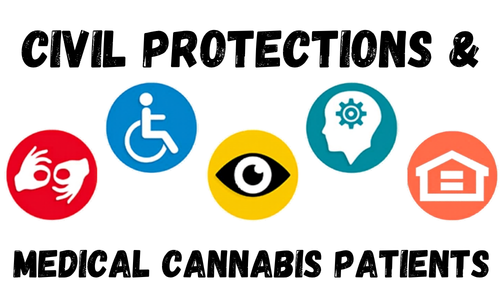
Federal cannabis laws affect far more than whether a patient can access medical cannabis. For decades, federal prohibition has limited protections for medical cannabis patients under laws such as the Americans with Disabilities Act (ADA) and the Fair Housing Act (FHA). As a result, patients have often been denied the basic protections that people with other serious health conditions expect in employment, housing, healthcare, and access to federal programs.
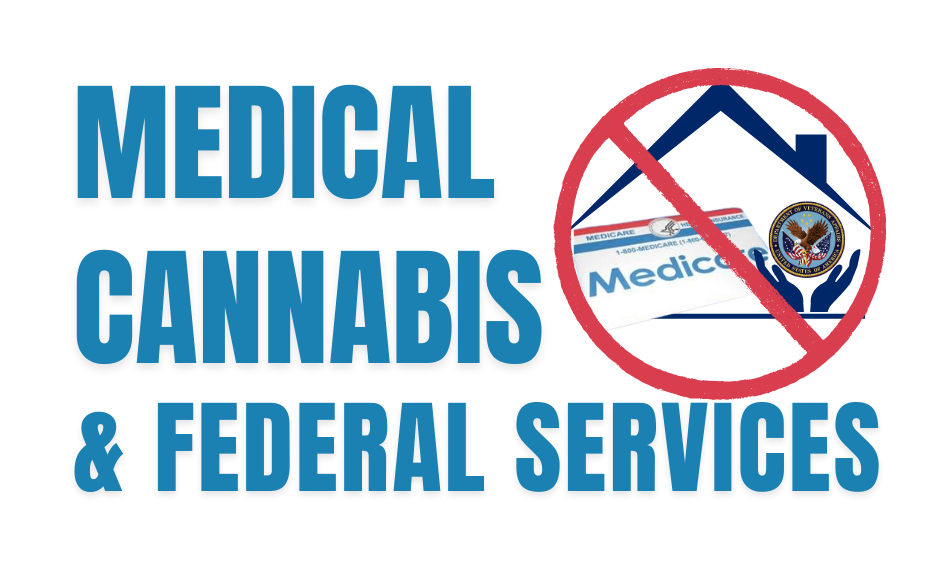
Federal prohibition has also affected patients’ access to essential healthcare, housing, and financial support programs, sometimes forcing patients to choose between the medicine they need and the benefits they depend on. It has also created barriers to federal employment, healthcare autonomy, firearm ownership, and other aspects of daily life.
As federal and state cannabis laws change, implementation matters. Advocates must stay vigilant to ensure public agencies, private institutions, employers, housing providers, and healthcare systems update their policies in ways that respect patient rights and protect safe, legal access to medical cannabis.
It is important to stay active, engaged, and informed. Sign up to get ASA updates and learn more about ending patient discrimination.
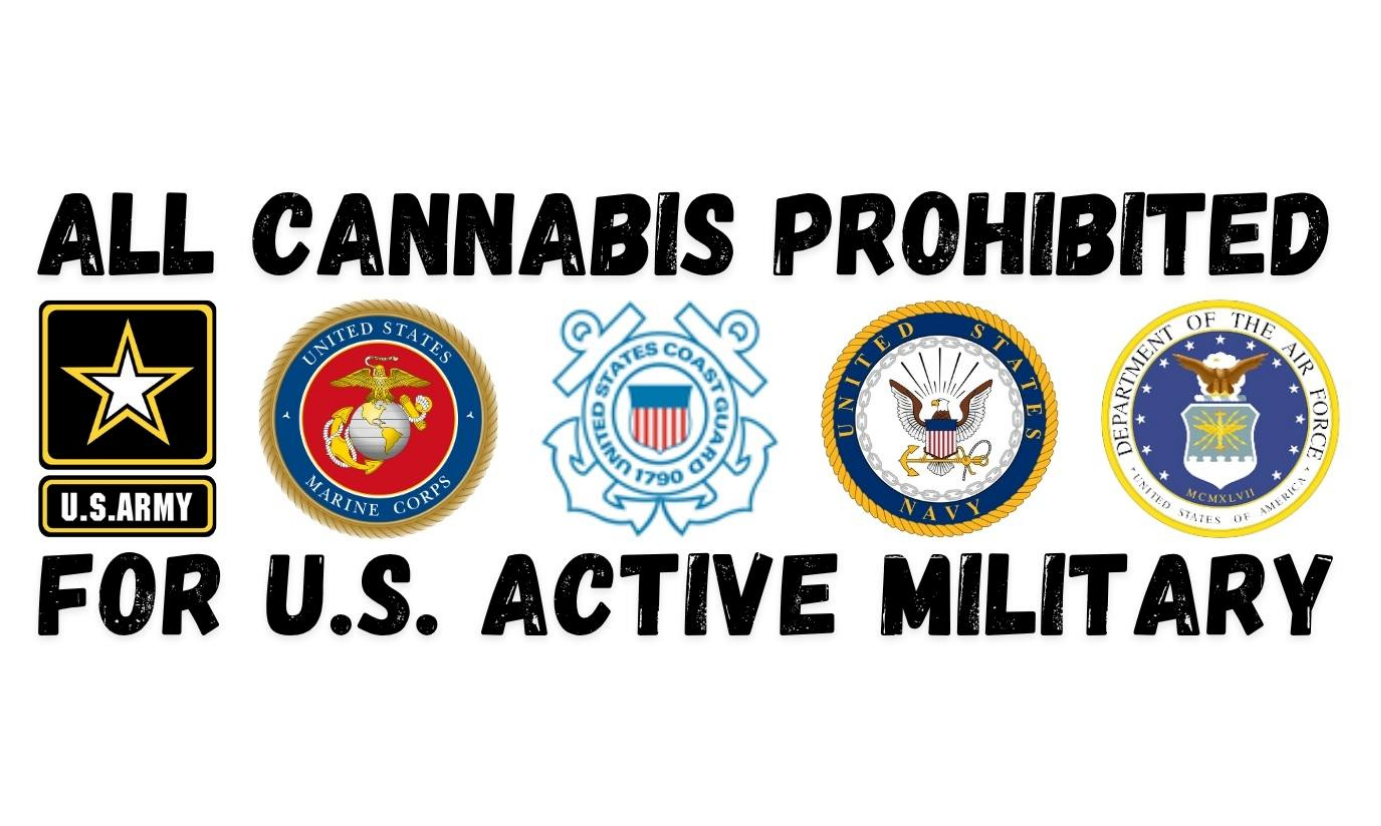
Rights and protections for medical cannabis patients are evolving. In some cases, outdated policies may impact how patients are treated. In other cases, like those in the military, policy changes will have to come from Washington, DC. In the case of organ transplants, stigma still plays a role in medical cannabis patients having access to life-saving treatment, even if state laws ban discrimination. Please use the resources below to better understand patient rights and how to navigate these programs and services.
Medical cannabis may be legal in your state, but it is illegal to cross state lines, even if the bordering state also has a medical cannabis program. For more information about traveling as a medical cannabis patient, check out our Travel Guide.
Stigma and discrimination also make patients targets for law enforcement encounters. Keep in mind that the best law enforcement encounter is the one that never occurs! It's crucial for individuals involved in medical cannabis to understand not only medical cannabis laws and regulations but also their rights. Be Prepared. Know Your Rights!
| State laws frequently change; if you find information that is out of date, incorrect, or has a broken link, let us know! Email [email protected] |
Medical cannabis patients can find additional resources here.
Get Involved! Learn more about ASA Campaigns and Take Action to improve the lives of medical cannabis patients today!
If you appreciate ASA's work, join now to become a part of the movement & sign up to get ASA updates.
Share this page