MEDICAL CANNABIS PATIENTS & CAREGIVERS
|
The Alabama Medical Cannabis Commission oversees the Alabama Medical Cannabis Program, which was established through the Darren Wesley “Ato” Hall Compassion Act in 2021. Patients and their caregivers must be registered with the program to benefit from the rights and protections granted under these statutes. |
Medical cannabis may not be the best treatment choice for all patients. Learn more.
A Legal Medical Cannabis Patient in Alabama…
- Is a resident of Alabama.
- Is at least 19 years of age.
- Has one of the following qualifying medical conditions. All conditions require documentation that conventional medical treatment or therapy has failed, unless medical cannabis is the current standard of care:
-
- Autism Spectrum Disorder (ASD)
- Cancer-related cachexia, nausea or vomiting, weight loss, or chronic pain
- Crohn’s Disease
- Depression
- Epilepsy or a condition causing seizures
- HIV/AIDS-related nausea or weight loss
- Panic disorder
- Parkinson’s disease
- Persistent nausea not significantly responsive to traditional treatment, except for nausea related to pregnancy, cannabis-induced cyclical vomiting syndrome, or cannabinoid hyperemesis syndrome
- Post-Traumatic Stress Disorder (PTSD)
- Sickle Cell Anemia
- Spasticity associated with a motor neuron disease, including Amyotrophic Lateral Sclerosis
- Spasticity associated with Multiple Sclerosis or a spinal cord injury
- A terminal illness
- Tourette’s Syndrome
- A condition causing chronic or intractable pain in which therapeutic intervention and opiate therapy is contraindicated or has proved ineffective
-
- Has been certified by a registered certifying physician and is enrolled in the Alabama Medical Cannabis Patient Registry System with a valid medical cannabis card.
- Enrollment is current.
ENROLLMENT PROCESS
Unlike many states, the physician, not the patient, initiates the registration process. The patient’s registered certifying physician or their designated representative submits the patient's registration to the AMCC through the Patient Registry System.
Step 1: Find a registered certifying physician
A recommendation for medical cannabis must come from a registered certifying physician approved by both the Alabama Board of Medical Examiners (ALBME) and the AMCC. To be eligible, the physician must:
- Hold an active, unrestricted license to practice medicine or osteopathy in Alabama
- Hold an active Alabama Controlled Substances Certificate (ACSC)
- Hold an active, unrestricted Alabama-specific DEA registration
- Be registered to query the Alabama Prescription Drug Monitoring Program (PDMP)
- Have completed a four-hour medical cannabis training course and passed the associated examination, as required by the ALBME
A current list of registered certifying physicians is available on the AMCC patients page.
Step 2: Your physician certifies your condition and submits your registration
After your physician certifies your qualifying condition, they or their designated representative will submit your registration to the AMCC Patient Registry System. The submission requires:
- Your physician’s completed certification
- The applicable application fee
- Your name, residential address, phone number, date of birth, and email address
- Your government-issued identification (such as a driver’s license, Alabama ID card, or Social Security card)
There is a non-refundable patient registration fee of $65 per medical cannabis card, as authorized under Chapter 2A, Title 20, Code of Alabama
Step-by-step portal instructions are available in the AMCC Patient Portal Instructions. For questions, contact [email protected].
PATIENT RENEWAL
Registration is valid for one year from the date of issuance. The AMCC will send a notification 45 days before your card's expiration date. You must renew before the expiration date on your card — if your card expires before you renew, you will need to restart the full registration process.
For renewal instructions, visit the AMCC patients page.
KEEP YOUR PHYSICIAN CERTIFICATION CURRENT
Your medical cannabis card and your physician certification have different expiration periods.
A patient registration card may be valid for one year, but a physician's medical cannabis certification may not exceed:
- 30 days for a patient capable of conception
- 90 days for all other patients
When the physician certification expires, the patient cannot purchase medical cannabis until the certification is reactivated. Alabama requires the physician and patient to complete recertification in person.
Patients should therefore pay attention to both the expiration date of their medical cannabis card and the expiration of their physician certification.
ENROLLING MINOR PATIENTS
Patients under 19 years of age may qualify for Alabama's Medical Cannabis Program but must have their parent or legal guardian serve as their registered caregiver. A minor patient may not purchase or possess medical cannabis directly; the patient's registered caregiver obtains the product on the patient's behalf.
Medical cannabis used by a minor may not contain a potency greater than 3% THC
A registered caregiver must be an Alabama resident and must be registered with the Alabama Medical Cannabis Commission.
For a patient under 19 years of age, the caregiver must be the patient's parent or legal guardian.
A patient age 19 or older may designate a caregiver who is the patient's:
- Parent
- Legal guardian
- Grandparent
- Spouse
- Individual holding a valid power of attorney for healthcare for the patient
A caregiver generally must be at least 21 years old, except where the caregiver is the parent or legal guardian of the registered patient.
A registered caregiver may purchase, possess, and administer medical cannabis only on behalf of the registered patient or patients with whom the caregiver is associated in the state registry. Being registered as a caregiver does not authorize the caregiver to use medical cannabis unless the caregiver is also separately registered as a qualified patient.
Approved Product Forms
Alabama limits medical cannabis to specific product forms. Permitted products include:
- Non-sugar-coated gelatinous cubes or cuboids
- Lozenges
- Tablets
- Capsules
- Tinctures
- Gels, oils, and creams for topical use
- Suppositories
- Transdermal patches
- Nebulizers
- Liquids or oils for use in an inhaler
Raw cannabis flower or other plant material is not permitted. Products designed to be smoked or vaped are prohibited, as are cannabis food products such as cookies or candies.
Dispensaries
Alabama's medical cannabis dispensary system is now operational.
The state's first medical cannabis dispensary opened in Montgomery on June 4, 2026. A second dispensary opened in Talladega on August 28, 2026. Additional dispensing locations are expected to open as licensed businesses complete state and local requirements.
Only registered patients and caregivers with a valid Alabama medical cannabis card may enter a medical cannabis dispensary and purchase products.
Because dispensary openings are changing quickly, patients should check the Alabama Medical Cannabis Commission's patient page before traveling to a location.
What to bring
Patients and caregivers should bring:
- A valid Alabama medical cannabis card
- Government-issued photo identification
- Payment for medical cannabis
Insurance companies are not required to cover the cost of medical cannabis.
Home Cultivation
Alabama does not allow home cultivation of cannabis.
Need tips on home cultivation?
Possession Limits
A patient or caregiver may possess no more than a 70-day supply of medical cannabis based on the patient's current physician recommendation.
The amount that may be purchased at one time is generally limited to the lesser of:
- A 60-day supply
- The number of daily doses corresponding to the number of days since the patient's or caregiver's previous purchase
- The amount authorized by the patient's registered certifying physician
Purchase and possession limits are tied to the patient's physician-authorized daily dosage.
Cannabis Product Safety
Cannabis, in its natural form, is inherently safe for most patients, but it is especially susceptible to contaminants during cultivation, manufacturing, handling & even storing. Whether you are purchasing cannabis from regulated, grey, or illicit markets or cultivating your own cannabis, you should be aware of the contaminants commonly found in cannabis and the symptoms that accompany their presence.
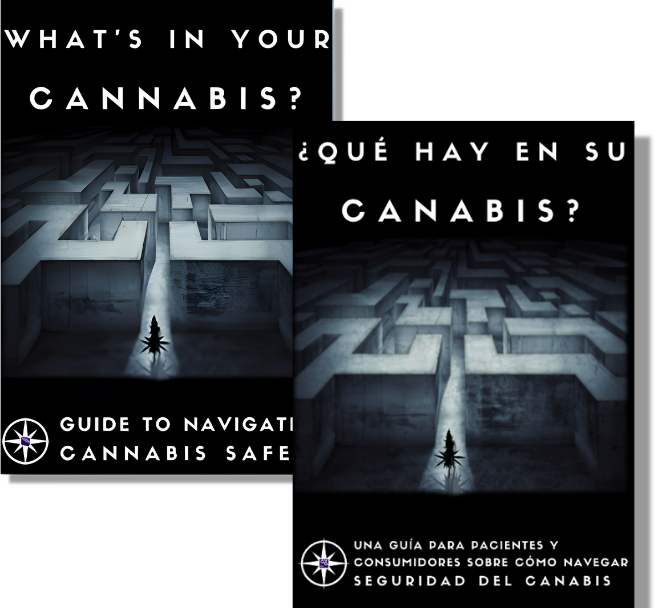
Medical cannabis products sold through Alabama's licensed medical cannabis dispensaries are subject to state testing, packaging, labeling, and product-safety requirements based on these thresholds set by state regulators. For more information about cannabis safety, download ASA's "What’s in Your Cannabis? A Patient & Consumer Guide to Navigating Cannabis Safety."
Patients and caregivers should purchase medical cannabis only from dispensing locations licensed through the Alabama Medical Cannabis Commission.
It can be challenging for patients to determine which businesses offering cannabis products are licensed and approved by the state. Review this list of medical cannabis retailers to find out where to purchase regulated cannabis in Alabama.
WHERE PATIENTS CAN MEDICATE
Medical cannabis can be used on private property. Alabama does not permit smoking, vaping, or use of raw cannabis flower. Approved product forms are limited to tablets, capsules, tinctures, gel cubes, oils for ingestion, topical creams, suppositories, transdermal patches, and nebulizer-compatible oils only.
Patients CANNOT medicate or possess medical cannabis in these locations or circumstances:
- Any public place
- On the premises of a dispensary or licensed facility, except in its sealed packaging
- While operating a motor vehicle, watercraft, heavy machinery, or aircraft
- The grounds of federal facilities (such as courthouses, post offices, airports, and national parks)
BENEFITS OF BEING A REGISTERED PATIENT
Registering as a medical cannabis patient is the only legal pathway to access cannabis in Alabama and provides important protections that are not available to unregistered individuals.
Federal Protections Apply Only to Registered Patients
Some federal protections are now available, but only to patients who are officially registered in their state’s medical cannabis program.
A federal order issued April 28th,2026, AG Order No. 6754-2026, treats a state medical cannabis certification or registration as similar to a prescription under federal law. This means that being registered is not just a state requirement; it may also affect whether a patient qualifies for federal protections.
To receive these protections, a patient’s registration must stay active, current, and in good standing. Learn more here.
Legal Protections for Registered Patients
Under Section 20-2A-7 of the Code of Alabama, a registered patient 19 years of age or older who possesses no more than 70 daily dosages and holds a valid medical cannabis card is not subject to arrest or prosecution for unlawful possession. Mere possession of, or application for, a medical cannabis card does not constitute probable cause to search a person, home, or vehicle.
Privacy Protections
Patient information is maintained in the Alabama Medical Cannabis Patient Registry System, a secure, integrated electronic system administered by the AMCC under Section 20-2A-35 of the Code of Alabama. Patient health information may only be used in de-identified form, for research purposes, or to monitor compliance with the program.
Organ Transplant and Medical Care Protections
Under Section 20-2A-6 of the Code of Alabama, patients generally cannot be denied organ transplants or other medical care solely on the basis of their medical cannabis use.
Employment and Workers' Compensation
Section 20-2A-6 addresses employment context and provides some protections for registered patients. However, Alabama law also preserves employer rights. Under Section 20-2A-13, an employee may be ineligible for workers' compensation benefits if they were impaired by medical cannabis at the time of a workplace injury.
Keeping the Medical Program Strong
Enrollment helps demonstrate continued patient need for Alabama's medical cannabis program. A strong registry supports the program's continued development, helps protect access for patients with serious health needs, and reinforces the importance of a dedicated medical pathway.
RIGHTS & PROTECTIONS FOR OUT-OF-STATE PATIENTS
Alabama does not recognize out-of-state patient registry cards. Non-residents may not obtain or use an Alabama medical cannabis card, even if they are present in Alabama and are legally registered as a patient in another state.
FEDERAL LAW & PATIENT PROTECTIONS
*UPDATE: AG ORDER NO. 6754-2026 CHANGED FEDERAL CANNABIS LAWS ON APRIL 28, 2026: Learn more here.
Federal cannabis laws affect far more than whether a patient can access medical cannabis. For decades, federal prohibition has limited protections for medical cannabis patients under laws such as the Americans with Disabilities Act (ADA) and the Fair Housing Act (FHA). As a result, patients have often been denied the basic protections that people with other serious health conditions expect in employment, housing, healthcare, and access to federal programs.
Federal prohibition has also affected patients’ access to essential healthcare, housing, and financial support programs, sometimes forcing patients to choose between the medicine they need and the benefits they depend on. It has also created barriers to federal employment, healthcare autonomy, firearm ownership, and other aspects of daily life.
As federal and state cannabis laws change, implementation matters. Advocates must stay vigilant to ensure public agencies, private institutions, employers, housing providers, and healthcare systems update their policies in ways that respect patient rights and protect safe, legal access to medical cannabis.
It is important to stay active, engaged, and informed. Sign up to get ASA updates and learn more about ending patient discrimination.
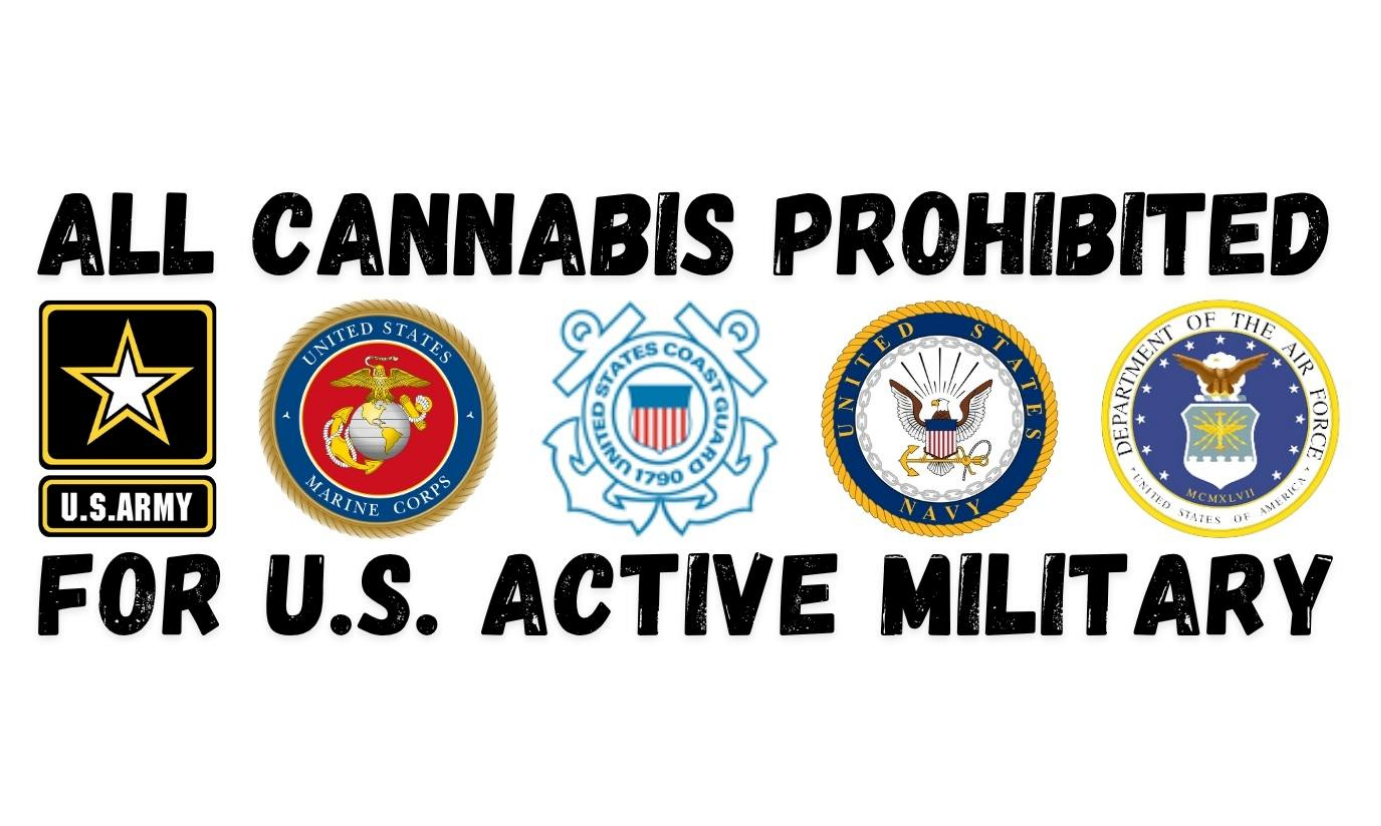
Rights and protections for medical cannabis patients are evolving. In some cases, outdated policies may impact how patients are treated. In other cases, like those in the military, policy changes will have to come from Washington, DC. In the case of organ transplants, stigma still plays a role in medical cannabis patients having access to life-saving treatment, even if state laws ban discrimination. Please use the resources below to better understand patient rights and how to navigate these programs and services.
Share this page