MEDICAL CANNABIS PATIENTS & CAREGIVERS
|
The South Dakota Medical Cannabis Program was established through Initiated Measure 26, passed in 2020. The South Dakota Department of Health oversees the program. Patients and their caregivers must be registered with the program to benefit from the rights and protections granted under these statutes. |
Medical cannabis may not be the best treatment choice for all patients. Learn more.
A LEGAL MEDICAL CANNABIS PATIENT ...
1. Be a South Dakota resident
2. Be diagnosed with a qualifying debilitating medical condition by a licensed practitioner. A debilitating medical condition is defined as a chronic or debilitating disease or medical condition, or its treatment, that produces one or more of the following:
- Cachexia or wasting syndrome
- Severe, debilitating pain
- Severe nausea
- Seizures
- Severe and persistent muscle spasms, including those characteristic of multiple sclerosis
In addition, the following specific conditions qualify:
- Acquired immune deficiency syndrome (AIDS) or positive status for human immunodeficiency virus (HIV)
- Amyotrophic lateral sclerosis (ALS)
- Cancer, if associated with severe or chronic pain, nausea or severe vomiting, or cachexia or severe wasting
- Crohn's disease
- Epilepsy
- Glaucoma
- Multiple sclerosis
- Parkinson's disease
- Post-traumatic stress disorder (PTSD)
Residents may also petition the South Dakota Department of Health to add a serious medical condition to the list. The department must issue a written decision within 180 days of receiving a petition. Information on the petition process is available at medcannabis.sd.gov.
3. Obtain a written certification from that practitioner
4. Apply for a registry identification card from the South Dakota Department of Health
5. Have a valid registry identification card from the South Dakota Department of Health. (Registration is required annually.)
ENROLLMENT PROCESS
Step 1: Practitioner certification. Your physician, physician assistant, or advanced practice registered nurse must log in to the South Dakota Medical Cannabis practitioner portal and submit a written certification on your behalf. The program cannot process a patient application until it receives this certification.
Step 2: Patient application. Once your practitioner has submitted certification, you can complete your application through the South Dakota Medical Cannabis Program patient portal. You will need to submit:
- A photocopy of an unexpired, government-issued photo ID (driver's license, passport, US government-issued ID, tribal ID card, or student ID card)
- A passport-quality photograph meeting the specifications in ARSD 44:90:04:04
- The $75 application fee
Low-income applicants (those with gross monthly household income below 130% of the federal poverty level) may request a reduced fee by providing documentation of household income.
After the application is approved, a registry identification card will be mailed to you. The South Dakota Medical Cannabis Program does not maintain a list of practitioners who will certify patients. Step-by-step instructions can be found HERE.
PATIENT RENEWAL
Registry identification cards expire annually. A $ 75 renewal fee ($20 for low-income patients who are below 130% of the federal poverty level) is required at the time of renewal, with no exceptions. The renewal process requires a new practitioner certification and updated application materials.
ENROLLING MINOR PATIENTS
Patients under 18 may be registered in the program. A minor patient must have at least one designated caregiver, who must be a parent or legal guardian. A registry identification card may be issued to a patient under 18 if the following conditions are met:
- A practitioner has explained the potential risks and benefits of medical cannabis use to the parent or legal guardian responsible for the minor's healthcare decisions
- The parent or legal guardian has agreed in writing to allow the minor to use medical cannabis
- The parent or legal guardian has agreed to serve as the minor's designated caregiver, or has arranged for another qualified designated caregiver
Minor patients (age-restricted cardholders) may not access dispensaries directly. All cannabis purchases must be made by the designated caregiver on the minor's behalf. No dispensary may allow entry to an age-restricted cardholder.
A designated caregiver assists a qualifying patient with the medical use of cannabis. A designated caregiver must:
- Be at least 21 years of age
- Have agreed to assist a qualifying patient with the medical use of cannabis
- Not have been convicted of a disqualifying felony offense
- Assist no more than five qualifying patients, unless those patients all reside in or are admitted to a health care facility or residential care facility where the caregiver is employed
To become a designated caregiver, you must be designated by a qualifying patient and submit the required documentation to the South Dakota Department of Health, including a completed designation form and a sworn statement that you have not been convicted of a disqualifying felony offense. A designated caregiver's registry identification card expires on the same date as the qualifying patient's card. Step-by-step instructions can be found HERE.
Dispensaries
Once you receive your registry identifacation card, medical cannabis may be purchased from a licensed dispensary certified by the South Dakota Department of Health. You must designate your dispensary in the program's patient portal. A complete list of certified establishments is available at medcannabis.sd.gov/Establishments/CertifiedEstablishments.aspx.
What to bring
- Your valid South Dakota medical cannabis registry identification card
- Government-issued photo ID
- A list of your current medications (recommended for your first visit)
- Payment for your medicine. Insurance does not cover the cost of medical cannabis
Possession Limits
Registered patients may not purchase or possess more than three ounces of cannabis (in combined equivalent weight) in any 14-day rolling period. The three-ounce limit applies to the combined total of all cannabis product types. Equivalent weights established by the department are:
- Concentrated cannabis or vaporizer pens/cartridges: 8 grams = 1 ounce
- Edible oils, tinctures, or capsules: 15 grams = 1 ounce
- Edibles (excluding oils): 2,000 milligrams THC = 1 ounce
- Topicals (ointment, cream, or lotion): 12 fluid ounces = 1 ounce
Home Cultivation
Registered patients who apply for and receive a cultivation designation on their registry identification card may cultivate cannabis at their private residence. A cardholder with a cultivation designation may possess:
- Two flowering cannabis plants
- Two cannabis plants that are not flowering
- The amount of cannabis produced from those plants, provided it is possessed at the same property where the plants were cultivated
To cultivate cannabis at home, indicate on your application who will be cultivating (patient, caregiver, or both) and provide the following pieces of evidence: a floor plan/diagram of the home indicating where you plan to cultivate, a photo of the lock on the door of the room/area you plan to cultivate in, and a photo of the room/area you plan to cultivate in. NOTE: An additional $20 fee will be added to your payment for home cultivation registration.
Local government rules may also apply to home cultivation. Before applying for a cultivation designation, verify whether your municipality or county has additional restrictions.
Need tips on home cultivation?
Cannabis Product Safety:
Cannabis, in its natural form, is inherently safe for most patients, but it is especially susceptible to contaminants during cultivation, manufacturing, handling & even storing. Whether you are purchasing cannabis from regulated, grey, or illicit markets or cultivating your own cannabis, you should be aware of the contaminants commonly found in cannabis and the symptoms that accompany their presence.
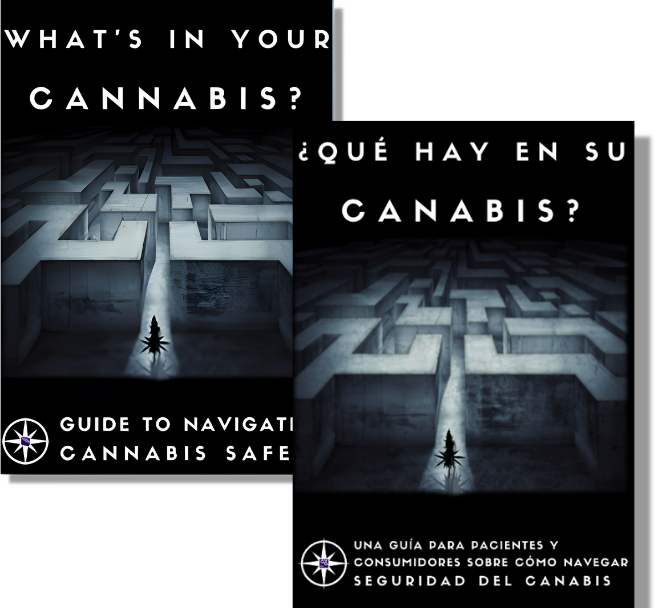
Products sold in South Dakota's dispensaries and adult-use retail locations must be tested for contaminants, pesticides, and adulterants based on these thresholds set by state regulators. For more information about cannabis safety, download ASA's "What’s in Your Cannabis? A Patient & Consumer Guide to Navigating Cannabis Safety."
It can be challenging for patients to determine which businesses offering cannabis products are licensed and approved by the state. Review this list of medical cannabis retailers to find out where to purchase regulated cannabis in South Dakota.
Medical cannabis may only be used in private settings where the property owner or landlord permits it. South Dakota's impaired driving laws apply to anyone operating a vehicle after using cannabis.
Patients CANNOT medicate or possess medical cannabis in these locations:
- school bus or van
- any correctional facility
- state-operated treatment program, including the Minnesota sex offender program
- the grounds of a child care facility or a family or group family day care program
- the grounds of federal facilities (such as courthouses, post offices, airports, and national parks)
Vaping or smoking medical cannabis is prohibited:
- in any location where tobacco smoking is prohibited under South Dakota law.
- Landlords are not required to allow smoking or vaping of cannabis on rental property, even if the tenant is a registered patient
South Dakota does not have a legal adult-use cannabis market. A valid medical cannabis registration is the only legal pathway to access cannabis in the state.
Federal Protections Apply Only to Registered Patients
Some federal protections are now available, but only to patients who are officially registered in their state’s medical cannabis program.
A federal order issued April 28th,2026, AG Order No. 6754-2026, treats a state medical cannabis certification or registration as similar to a prescription under federal law. This means that being registered is not just a state requirement; it may also affect whether a patient qualifies for federal protections.
To receive these protections, a patient’s registration must stay active, current, and in good standing. Learn more here.
Legal Protections
A registered qualifying patient who possesses a valid registry identification card and an amount of cannabis that does not exceed the allowable amount is not subject to arrest, prosecution, or penalty of any kind under state law, and may not be denied any right or privilege, for the medical use of cannabis in accordance with the program.
There is a legal presumption that a qualifying patient or designated caregiver found with a registry identification card and an allowable amount of cannabis is engaged in lawful medical use. This presumption can be rebutted only by evidence that the conduct was not intended to treat or alleviate the patient's debilitating medical condition.
Privacy Protections
The South Dakota Department of Health is required to maintain a confidential list of patients and caregivers registered in the program. Personal information collected in connection with a registry identification card application is confidential and may not be disclosed except to authorized state law enforcement for the purpose of verifying a card, to the patient or caregiver themselves, or as otherwise required by law.
Medical cannabis establishments may identify a cardholder only by their registry identification number. Establishment records may not contain names or other personal identifying information.
The South Dakota Medical Cannabis Program does not publish a list of participating practitioners or those who certify patients.
Civil Protections
- Employment - An employer is not required to allow the use of cannabis in the workplace and is not required to allow an employee to work while under the influence of cannabis. Employers may take adverse action against an employee for cannabis use in safety-sensitive positions. However, a registered qualifying patient may not be considered to be under the influence of cannabis solely because of the presence of cannabis metabolites or components in amounts that are not sufficient to cause impairment.
-
Housing - Landlords are not required to allow tenants to smoke or vape cannabis on rental property, and are not required to permit home cultivation on rental property, even if the tenant is a registered patient. However, landlords are prohibited from evicting or penalizing a tenant solely because the tenant holds a registry identification card or applies for one.
-
Child Custody - No person may be denied custody of, visitation rights with, or parenting time with a minor solely because that person is a registered cardholder. There is no presumption of neglect or child endangerment for conduct authorized under the program, unless the person's behavior creates an unreasonable danger to the safety of the minor.
-
Organ Transplant - For the purposes of medical care, including organ and tissue transplants, a registered qualifying patient's use of cannabis in accordance with the program is considered the equivalent of the authorized use of any other medication used at the discretion of a practitioner. A patient's medical cannabis use does not constitute use of an illicit substance and does not disqualify a qualifying patient from needed medical care, including organ transplants.
Keeping the Medical Program Strong
Enrollment helps demonstrate continued patient need for South Dakota's medical cannabis program. A strong registry helps protect and sustain the program and supports continued access for patients with serious health needs.
South Dakota has a nonresident cardholder registration process. Out-of-state patients with a valid medical cannabis card from another jurisdiction may apply to the South Dakota Department of Health for a nonresident registry identification number. Full reciprocity is not automatic. A separate registration is required.
To register as a nonresident cardholder, you must submit documentation of your debilitating medical condition that is consistent with South Dakota's qualifying conditions, along with proof of your home-state authorization. The department accepts a practitioner certification from your home state that lists a qualifying condition, or a South Dakota practitioner certification form.
A nonresident registry identification number is nonrenewable and expires on the earliest of: one year from the date of issuance; the expiration date of the nonresident's home-state authorization; or any earlier expiration date specified in the practitioner's statement.
A nonresident cardholder may designate no more than two South Dakota dispensaries. The standard three-ounce per 14-day possession and purchase limit applies to nonresident cardholders.
For more information about traveling as a medical cannabis patient, check out our Travel Guide.
*UPDATE: AG ORDER NO. 6754-2026 CHANGED FEDERAL CANNABIS LAWS ON APRIL 28, 2026: Learn more here.
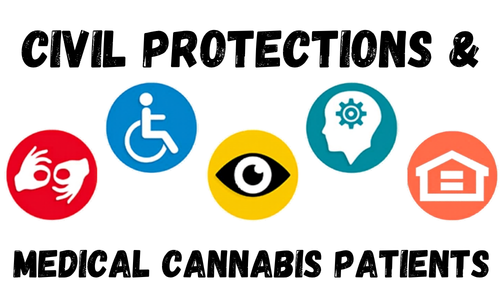
Federal cannabis laws affect far more than whether a patient can access medical cannabis. For decades, federal prohibition has limited protections for medical cannabis patients under laws such as the Americans with Disabilities Act (ADA) and the Fair Housing Act (FHA). As a result, patients have often been denied the basic protections that people with other serious health conditions expect in employment, housing, healthcare, and access to federal programs.
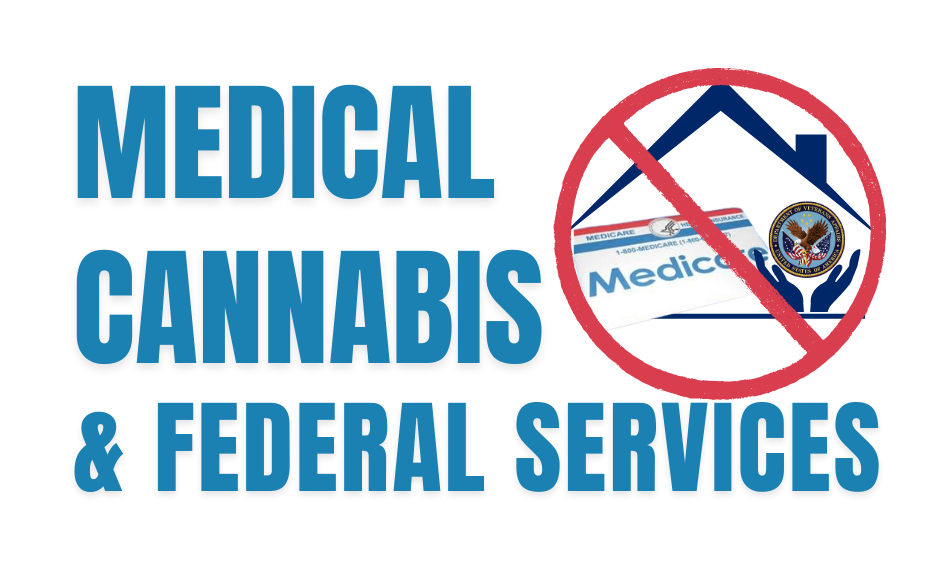
Federal prohibition has also affected patients’ access to essential healthcare, housing, and financial support programs, sometimes forcing patients to choose between the medicine they need and the benefits they depend on. It has also created barriers to federal employment, healthcare autonomy, firearm ownership, and other aspects of daily life.
As federal and state cannabis laws change, implementation matters. Advocates must stay vigilant to ensure public agencies, private institutions, employers, housing providers, and healthcare systems update their policies in ways that respect patient rights and protect safe, legal access to medical cannabis.
It is important to stay active, engaged, and informed. Sign up to get ASA updates and learn more about ending patient discrimination.
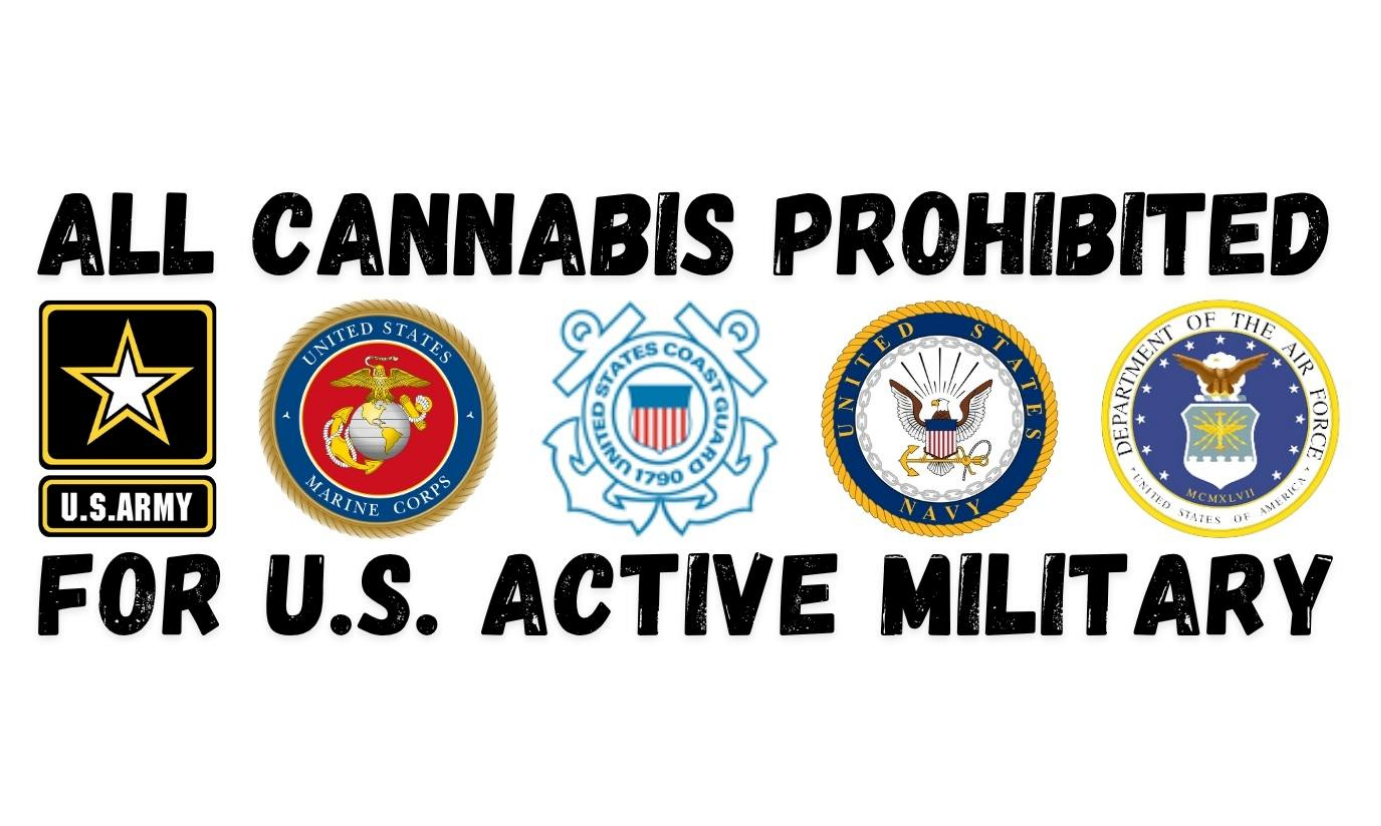
Rights and protections for medical cannabis patients are evolving. In some cases, outdated policies may impact how patients are treated. In other cases, like those in the military, policy changes will have to come from Washington, DC. In the case of organ transplants, stigma still plays a role in medical cannabis patients having access to life-saving treatment, even if state laws ban discrimination. Please use the resources below to better understand patient rights and how to navigate these programs and services.
Medical cannabis may be legal in your state, but it is illegal to cross state lines, even if the bordering state also has a medical cannabis program. For more information about traveling as a medical cannabis patient, check out our Travel Guide.
Stigma and discrimination also make patients targets for law enforcement encounters. Keep in mind that the best law enforcement encounter is the one that never occurs! It's crucial for individuals involved in medical cannabis to understand not only medical cannabis laws and regulations but also their rights. Be Prepared. Know Your Rights!
| State laws frequently change; if you find information that is out of date, incorrect, or has a broken link, let us know! Email [email protected] |
Medical cannabis patients can find additional resources here.
Get Involved! Learn more about ASA Campaigns and Take Action to improve the lives of medical cannabis patients today!
If you appreciate ASA's work, join now to become a part of the movement & sign up to get ASA updates.
Share this page