MEDICAL CANNABIS PATIENTS & CAREGIVERS
|
In 2016, 64 percent of North Dakotans voted in favor of the North Dakota Compassionate Care Act (Measure 5), creating a comprehensive medical cannabis program. Patients and caregivers may purchase up to 7.5 ounces from dispensaries every thirty days. Patients and their caregivers must be registered with the program to benefit from the rights and protections granted under these statutes. |
Medical cannabis may not be the best treatment choice for all patients. Learn more.
Once you have visited your doctor and discussed a recommendation for medical cannabis to treat one of the eligible conditions listed below, you will fill out an application on the ND Department of Health website. The application will include:
- Your name, date of birth, address, phone number, email address;
- An uploaded photo; This is the photo that will go on the ID card if the application is approved. Face the camera directly with your full face in view. Do not tilt the photo. Do not use a filter. Your eyes must be open. The background of the photo should be plain (plain white or off-white background is best). Your photo should be in color and not black and white or sepia. Avoid wearing dark, tinted glasses, hats or head coverings when taking the photo. The system will accept various image formats, including JPEG and PNG;
- An uploaded copy of the front of your ND state-issued driver's license or ND state-issued non-driver identification card;
- Name of health care provider who will be completing the written certification;
- Email address of health care provider who will be completing the written certification;
- A signed medical release of information document, contact your healthcare provider about this.
- A $25 non-refundable application fee paid online with a card or by mail with a physical check or money order.
You will be asked three questions:
- If you are able to make their own medical decisions? If answered "no" additional information will need to be provided
- If you are intending to designate a caregiver, in this case a caregiver will fill out a separate application as well but will need a barcode number from you.
- If you are a veteran. If you are, you will need to provide a few additional answers.
Once you have finished the application, you will still need a written certification from your doctor. Since you have submitted their health care provider's full name and email address, the provider will be notified to complete the written certification on your behalf. You will not provide the written certification, as it will come directly from the health care provider.
QUALIFYING MEDICAL CONDITIONS
If you are diagnosed with one of the following conditions, you may be eligible for physician certification as a patient in North Dakota:
- A Terminal Illness
- Acquired Immune Deficiency Syndrome
- Agitation of Alzheimer's Disease or related Dementia
- Amyotrophic Lateral Sclerosis
- Anorexia Nervosa
- Anxiety Disorder
- Autism Spectrum Disorder
- Brain Injury
- Bulimia Nervosa
- Cancer
- Crohn's Disease
- Decompensated Cirrhosis caused by Hepatitis C
- Ehlers-Danlos Syndrome
- Endometriosis
- Epilepsy
- Fibromyalgia
- Glaucoma
- Interstitial Cystitis
- Migraine
- Neuropathy
- Positive Status for Human Immunodeficiency Virus
- Post-traumatic Stress Disorder
- Rheumatoid Arthritis
- Spinal Stenosis or chronic back pain, including neuropathy or damage to the nervous tissue of spinal cord with objective neurological indication of intractable spasticity
- Tourette Syndrome
- A chronic or debilitating disease or medical condition or treatment for such disease or medical condition that produces one or more of the following:
• Cachexia or wasting syndrome
• Severe debilitating pain that has not responded to previously prescribed medication or surgical measures for more than three months or for which other treatment options produced serious side effects
• Intractable nausea
• Seizures
• Severe and persistent muscle spasms, including those characteristic of multiple sclerosis.
PATIENT RENEWAL
Renewal interval. Patient registration must be renewed every 2 years.
It is the cardholder’s responsibility to track their card’s expiration date and renew their application before their card expires. For sufficient processing time, and to avoid any gaps in having an active card, a cardholder should complete a renewal 45 days before the expiration date of their existing ID card. To renew an application, log into the registration system found on the program website at Medical Marijuana Registration Portal, or visit the Medical Marijuana Program Website.
Renewal applications have the same requirements as the original application including:
• The $40 non-refundable application fee.
o Designated Caregivers, hospice patients and certain minor patients do not have an application fee.
• For patient applications, the health care provider must complete a new written certification for each renewal.
• If a patient has a designated caregiver, each designated caregiver must also renew their application.
ENROLLING MINOR PATIENTS
If you are under the age of 19 and wish to become a cannabis patient in North Dakota, the process is slightly different. Minors must apply on the ND Department of Health website. Minor applicants must have a designated caregiver. The parent or legal guardian can be the designated caregiver; if your designated caregiver is a parent or legal guardian with whom you reside, the application fee for the caregiver will be waived. Somebody other than the parent or legal guardian can be the designated caregiver.
"Pediatric medical marijuana" means a medical marijuana product containing cannabidiol which may not contain a maximum concentration or amount of tetrahydrocannabinol of more than six percent. Minors cannot have dried leaves and flowers.
If you wish to become a designated caregiver, you must submit a separate application specific to designated caregivers in order to receive a registry ID card and be able to purchase, assist in the use of, or possess products under the Medical Marijuana Program on behalf of a registered patient. You must provide the patient barcode number and patient name as part of the application. Make sure you have the barcode from your designated patient before you fill out the application.
Designated caregivers may need to register an account through the BioTrackTHC system before completing their initial application. They can also choose to be listed on a patient’s account same login credentials), but there can only be one designated caregiver listed on each account in the system. Patients can have up to five designated caregivers total, but each designated caregiver must be listed on a unique account (different login credentials).
Dispensaries:
After your enrollment is approved. You can access your Medical Cannabis Registry account and pick up medical cannabis at your nearest medical cannabis dispensary. Find Medical Cannabis Dispensary Locations.
Home delivery is available in some locations.
What to Bring
- Your valid North Dakota medical cannabis registry card (digital or physical).
- Government-issued photo ID
- A list of your current medications (recommended for your first visit)
- Payment for your medicine. Insurance does not cover the cost of medical cannabis
Possession Limits
Types of usable marijuana under the North Dakota Medical Marijuana law are:
1. Dried Leaves and Flowers – Adults only
2. Cannabinoid Concentrates or Extracts. Examples of concentrates include vapes,
wax, shatter, budder, RSO and PDO.
3. Medical Cannabinoid Products
a. Solutions
b. Capsules
c. Transdermal Patches
d. Topicals
e. Edibles
Exceptions for Minor Patients (those under the age of 19):
1. Minors cannot have dried leaves and flowers
2. Minors cannot have any product with >6% THC
Purchase Limits
Patients and designated caregivers with a valid ID card can purchase the following in a
30-day period from a North Dakota registered medical marijuana dispensary:
1. Up to 2.5 ounces dried leaves and flowers
*Enhanced Amount: patients with the debilitating medical condition of cancer may be
authorized by their health care provider to purchase up to 6 oz. of dried leaves and
flowers.
2. Up to 6,000 mg THC total of other products
• Included in the 6,000 mg of THC is a cannabinoid edible product that has
a daily purchase limit of 310 mg of THC per day.
Cannabis Product Safety:
Cannabis, in its natural form, is inherently safe for most patients, but it is especially susceptible to contaminants during cultivation, manufacturing, handling & even storing. Whether you are purchasing cannabis from regulated, grey, or illicit markets or cultivating your own cannabis, you should be aware of the contaminants commonly found in cannabis and the symptoms that accompany their presence.
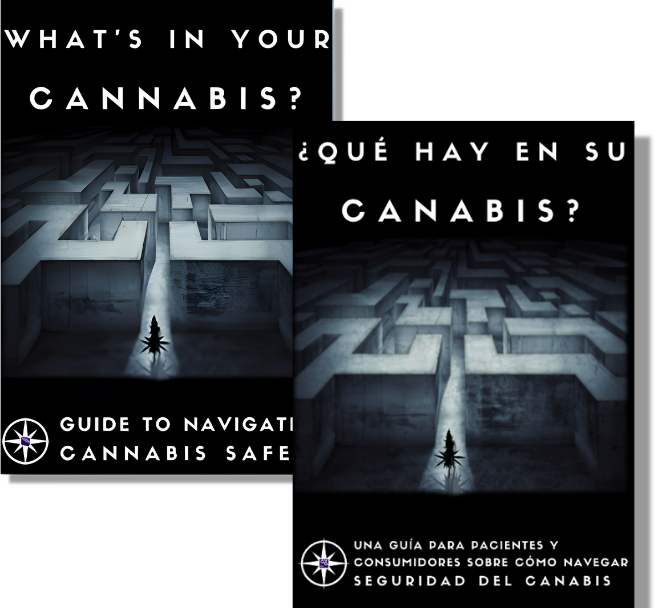
Products sold in North Dakota's dispensaries and adult-use retail locations must be tested for contaminants, pesticides, and adulterants based on these thresholds set by state regulators. For more information about cannabis safety, download ASA's "What’s in Your Cannabis? A Patient & Consumer Guide to Navigating Cannabis Safety."
Home Cultivation:
Not allowed.
Registered patients may use medical cannabis in permitted private locations.
Patients may NOT use or possess medical cannabis:
- On a school bus or school van that is used for school purposes;
- On the grounds of any public or private school;
- At any location while a public or private school sanctioned event is occurring at that location;
- On the grounds of a correctional facility; or
- On the grounds of a child care facility or licensed home day care, unless authorized under rules adopted by the department.
- Undertaking any activity prohibited by section 23-12-09, 23-12-10, 23-12-10.2, 23-12-10.4, 23-12-10.5, or 23-12-11.
- Using a combustible delivery form of usable marijuana or vaporizing usable marijuana under this chapter if the smoke or vapor would be inhaled by a minor who is not the registered qualifying patient for whom the usable marijuana is intended.
- Operating, navigating, or being in actual physical control of a motor vehicle, aircraft, train, or motorboat, while under the influence of marijuana. However, a registered qualifying patient may not be considered to be under the influence of marijuana solely because of the presence of metabolites or components of marijuana that appear in insufficient concentration to cause impairment.
North Dakota does not have a legal adult-use cannabis market. A valid medical cannabis registration is the only legal pathway to access cannabis in the state.
If you are arrested for the possession of cannabis, you will have an affirmative defense in court provided that you have your registry ID on your person at the time.
Veterans to submit medical records and discharge documentation instead of a certification.
Legal Protections
A registered qualifying patient is not subject to arrest or prosecution or the denial of any right or privilege, including a civil penalty or disciplinary action by a court or occupational or professional regulating entity for the acquisition, use, or possession of usable marijuana or related supplies under this chapter. 19-24.1-32. Protections.
Privacy Protections
1. The department shall maintain a confidential list of cardholders and each cardholder's address, phone number, and registry identification number.
2. The department shall establish a secure verification system. The verification system must allow law enforcement personnel, health care providers, pharmacists, compassion centers, and compassion center agents twenty-four-hour access to enter a registry identification number to determine whether the number corresponds with a current valid registry identification card. The system may disclose:
a. Whether an identification card is valid;
b. The name of the cardholder;
c. Whether the cardholder is a registered qualifying patient, registered designated caregiver, or registered compassion center agent;
d. Whether a registered qualifying patient is a minor; and
e. The registry identification number of any affiliated registered qualifying patient, registered designated caregiver, or compassion center.
19-24.1-31. Verification system.
Tax Benefits
Registered patients are exempt from the state excise tax on cannabis, paying only the standard state sales tax of 5% along with any applicable local city or county sales taxes (which average around 1.5% to 3.5%)
Keeping the Medical Program Strong
Enrollment helps demonstrate continued patient need for North Dakota’s medical cannabis program. A strong registry helps protect and sustain the program and supports continued access for patients with serious health needs.
North Dakota does not recognize other states’ medical marijuana cards. Whether or not other states recognize the North Dakota medical marijuana card is the determination of those other states. Non-residents can complete a “Non-Resident” application. This would require that their Non-Resident Medical Marijuana Card and their State Issued ID or Driver’s License are valid for the 60-day duration of a non-resident card.
Without a valid North Dakota medical marijuana card, an individual in possession of marijuana has no protections under the North Dakota medical marijuana laws. A valid medical marijuana cardholder in North Dakota may only purchase and possess products dispensed from one of the registered dispensaries in our state. Marijuana products should not be transported across state lines.
To be eligible to apply, a nonresident must reside in one of the 49 other states, District of Columbia, or a United States territory and have a medical marijuana card issued from the state of residency.
Nonresident adult applicants must be 19 years of age or older. Those 18 years of age and under interested in applying for a nonresident medical marijuana card should contact program personnel at 701.328.1311; or 711 (TTY).
A nonresident will only be issued an electronic North Dakota medical marijuana card if an application is approved.
For more information about traveling as a medical cannabis patient, check out our Travel Guide.
CANNABIS EXPUNGEMENT
In 2019, those with low-level cannabis possession convictions were able to seek unconditional pardons, permitted by North Dakota state officials. Low-level cannabis possession penalties for first-time offenders have been reduced to a “criminal infraction” which is now punishable by a fine instead of up to 30 days in jail. Refer to A Guide for North Dakota Court Process and the Application to Pardon Eligible Marijuana Offenses.
*UPDATE: CANNABIS LAWS HAVE CHANGED AS OF APRIL 28, 2026: Learn more here. Medical cannabis patients who are in compliance with state medical cannabis programs are now in compliance with federal law.
Medical cannabis may be legal in your state, but it is still illegal under federal law. That means that it is illegal to cross state lines even if the bordering state also has a medical cannabis program. For more information about traveling as a medical cannabis patient, check out our Travel Guide.
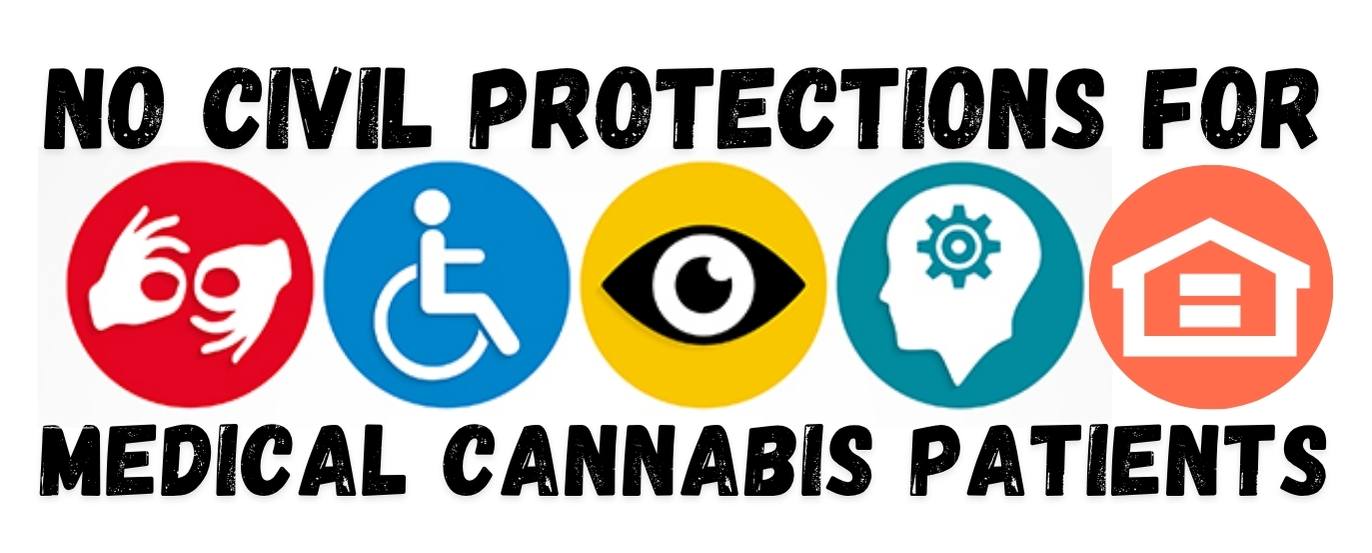
Federal prohibition can affect far more than access to cannabis. Medical cannabis patients are not protected under the Americans with Disabilities Act (ADA) or the Fair Housing Act (FHA), which can leave patients without the protections other people with serious health conditions may expect. Medical cannabis patients have no protections when it comes to employment, housing, and healthcare.
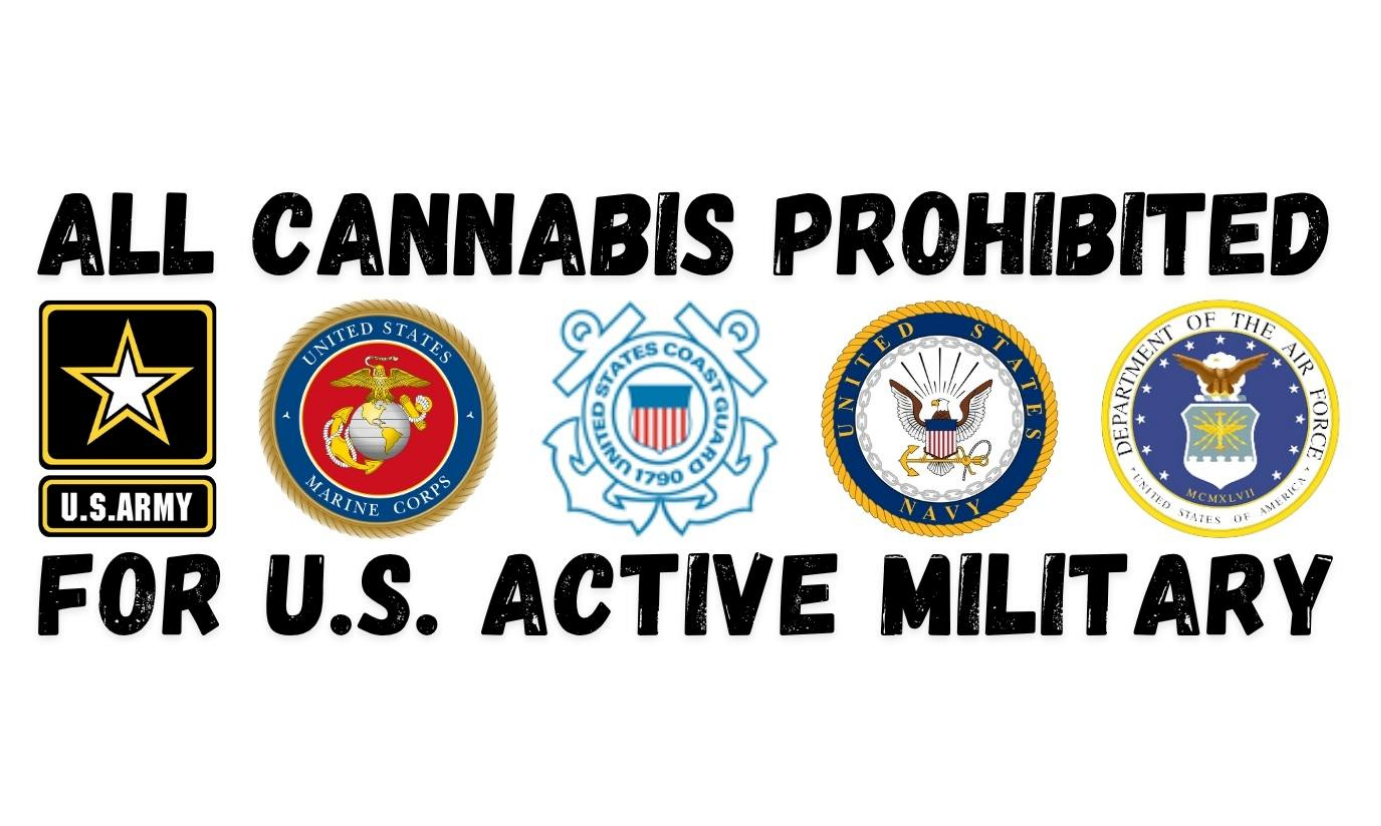
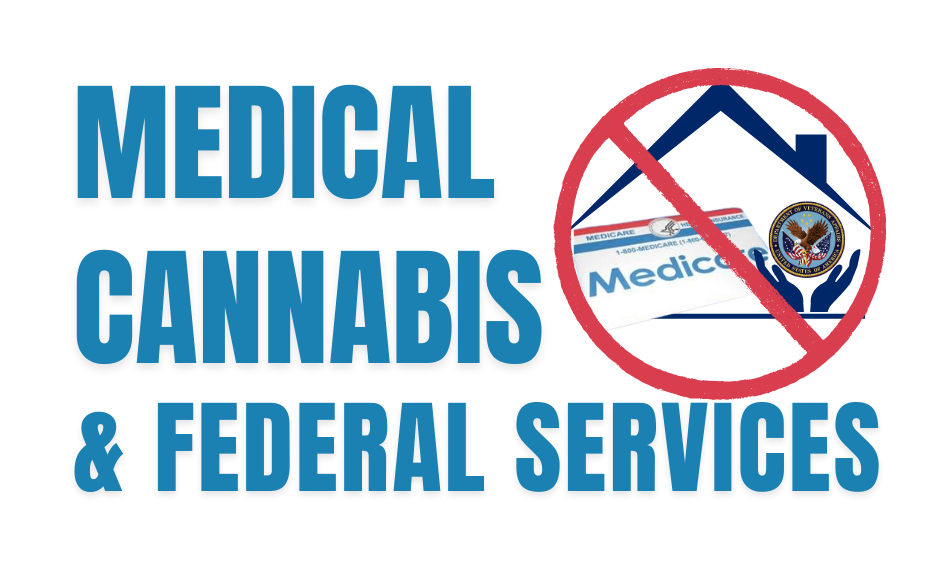
For many Americans, federal programs provide essential healthcare, housing, and financial support. In some cases, patients are forced to choose between the medicine they need and the federal benefits they depend on. Because federal law still treats all cannabis use as unlawful, medical cannabis patients cannot legally own a gun, work for the federal government, and can be barred from federal programs and services.
That is why it is important to understand both your state’s medical cannabis laws and the federal barriers that may still apply.
Stigma and discrimination also make patients targets for law enforcement encounters. Keep in mind that the best law enforcement encounter is the one that never occurs! It's crucial for individuals involved in medical cannabis to understand not only medical cannabis laws and regulations but also their rights. Be Prepared. Know Your Rights!
Share this page