MEDICAL CANNABIS PATIENTS & CAREGIVERS
|
South Carolina does not have a comprehensive medical cannabis program. Cannabis remains broadly illegal in the state for both medical and recreational purposes. The only limited exception in current state law is Julian's Law (S.C. Code Ann. Sections 44-53-1810 through 44-53-1870), enacted in 2014 as the Medical Cannabis Therapeutic Treatment Research Act. It is a narrow research authorization that allows certain patients with qualifying forms of epilepsy to participate in FDA-approved clinical trials using cannabidiol (CBD) extract. |
Medical cannabis may not be the best treatment choice for all patients. Learn more.
South Carolina does not have a comprehensive medical cannabis program. Cannabis remains broadly illegal in the state for both medical and recreational purposes.
The only limited exception in current state law is Julian's Law (S.C. Code Ann. Sections 44-53-1810 through 44-53-1870), enacted in 2014 as the Medical Cannabis Therapeutic Treatment Research Act, Article 18 of Chapter 53, Title 44. Julian's Law does not establish a patient registration program or dispensary system. It is a narrow research authorization that allows certain patients with qualifying forms of epilepsy to participate in FDA-approved clinical trials using cannabidiol (CBD) extract.
Under Julian's Law, the term "marijuana" is used as the statutory term for cannabis-derived products covered by this law.
To qualify under Julian's Law, a patient must have one of the following diagnoses:
- Lennox-Gastaut Syndrome
- Dravet Syndrome
- Any other severe form of epilepsy that is not adequately controlled by other treatment options
Julian's Law permits a qualifying patient to participate in FDA-approved clinical trials involving cannabidiol. The cannabidiol authorized under this law must:
- Contain at least 98 percent cannabidiol by total cannabinoid content
- Contain not more than 0.9 percent THC
- Be obtained only from an approved source as defined in the statute, meaning a provider approved by the U.S. Food and Drug Administration
The law does not establish a dispensary system, a state registry for patients, or a process for purchasing cannabis products outside of FDA-approved research settings. There are no licensed cannabis dispensaries in South Carolina.
Julian's Law does not:
- Create a general medical cannabis program open to conditions beyond severe, treatment-resistant epilepsy
- Allow the purchase or use of cannabis or cannabis-derived products outside of FDA-approved clinical trials
- Establish a patient registration card or identification system
- Provide civil or employment protections for cannabis use
South Carolina lawmakers have introduced legislation to create a comprehensive medical cannabis program in multiple legislative sessions. The most recent version, Senate Bill 53, known as the South Carolina Compassionate Care Act, was introduced in the Senate on January 14, 2025, and referred to the Senate Committee on Medical Affairs, where it remained without further action through the end of the 2025-2026 legislative session. The bill was not enacted. Similar versions of this legislation passed the South Carolina Senate in 2022 and 2025 but did not advance in the House of Representatives.
South Carolina currently remains one of a small number of states without a medical cannabis program of any kind beyond the narrow research authorization under Julian's Law.
To support advocacy efforts for medical cannabis access in South Carolina, find out how you can work with Americans for Safe Access to support patients in your community and across the country.
Cannabis Product Safety:
Cannabis, in its natural form, is inherently safe for most patients, but it is especially susceptible to contaminants during cultivation, manufacturing, handling & even storing. Whether you are purchasing cannabis from regulated, grey, or illicit markets or cultivating your own cannabis, you should be aware of the contaminants commonly found in cannabis and the symptoms that accompany their presence.
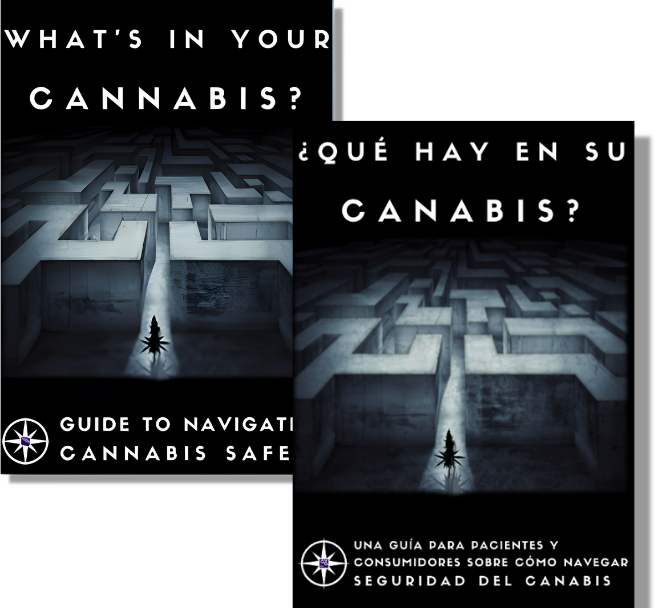
For more information about cannabis safety, download ASA's "What’s in Your Cannabis? A Patient & Consumer Guide to Navigating Cannabis Safety."
South Carolina does not recognize out-of-state medical cannabis patient cards and does not have a visiting patient program. For more information about traveling as a medical cannabis patient, check out our Travel Guide.
*UPDATE: AG ORDER NO. 6754-2026 CHANGED FEDERAL CANNABIS LAWS ON APRIL 28, 2026: Learn more here.
Federal cannabis laws affect far more than whether a patient can access medical cannabis. For decades, federal prohibition has limited protections for medical cannabis patients under laws such as the Americans with Disabilities Act (ADA) and the Fair Housing Act (FHA). As a result, patients have often been denied the basic protections that people with other serious health conditions expect in employment, housing, healthcare, and access to federal programs.
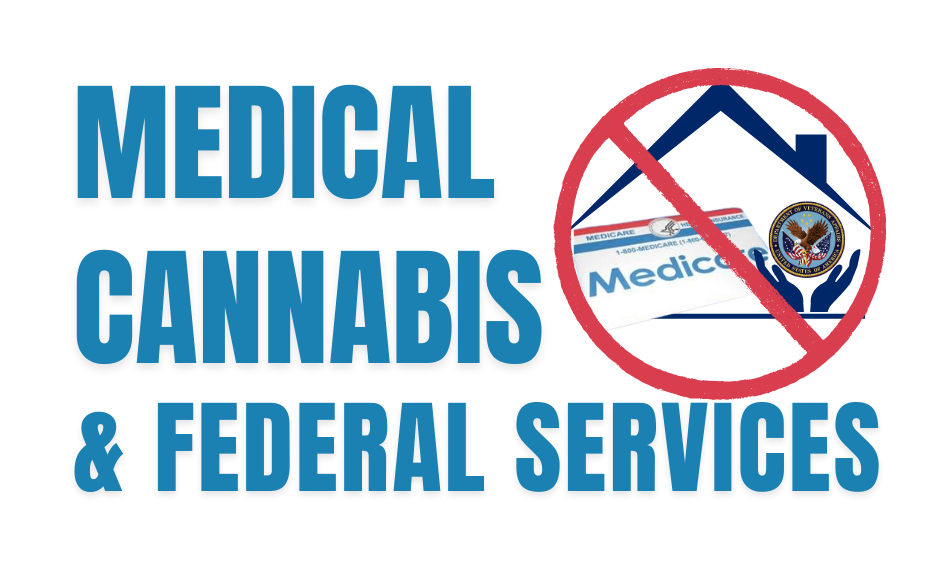
Federal prohibition has also affected patients’ access to essential healthcare, housing, and financial support programs, sometimes forcing patients to choose between the medicine they need and the benefits they depend on. It has also created barriers to federal employment, healthcare autonomy, firearm ownership, and other aspects of daily life.
As federal and state cannabis laws change, implementation matters. Advocates must stay vigilant to ensure public agencies, private institutions, employers, housing providers, and healthcare systems update their policies in ways that respect patient rights and protect safe, legal access to medical cannabis.
It is important to stay active, engaged, and informed. Sign up to get ASA updates and learn more about ending patient discrimination.
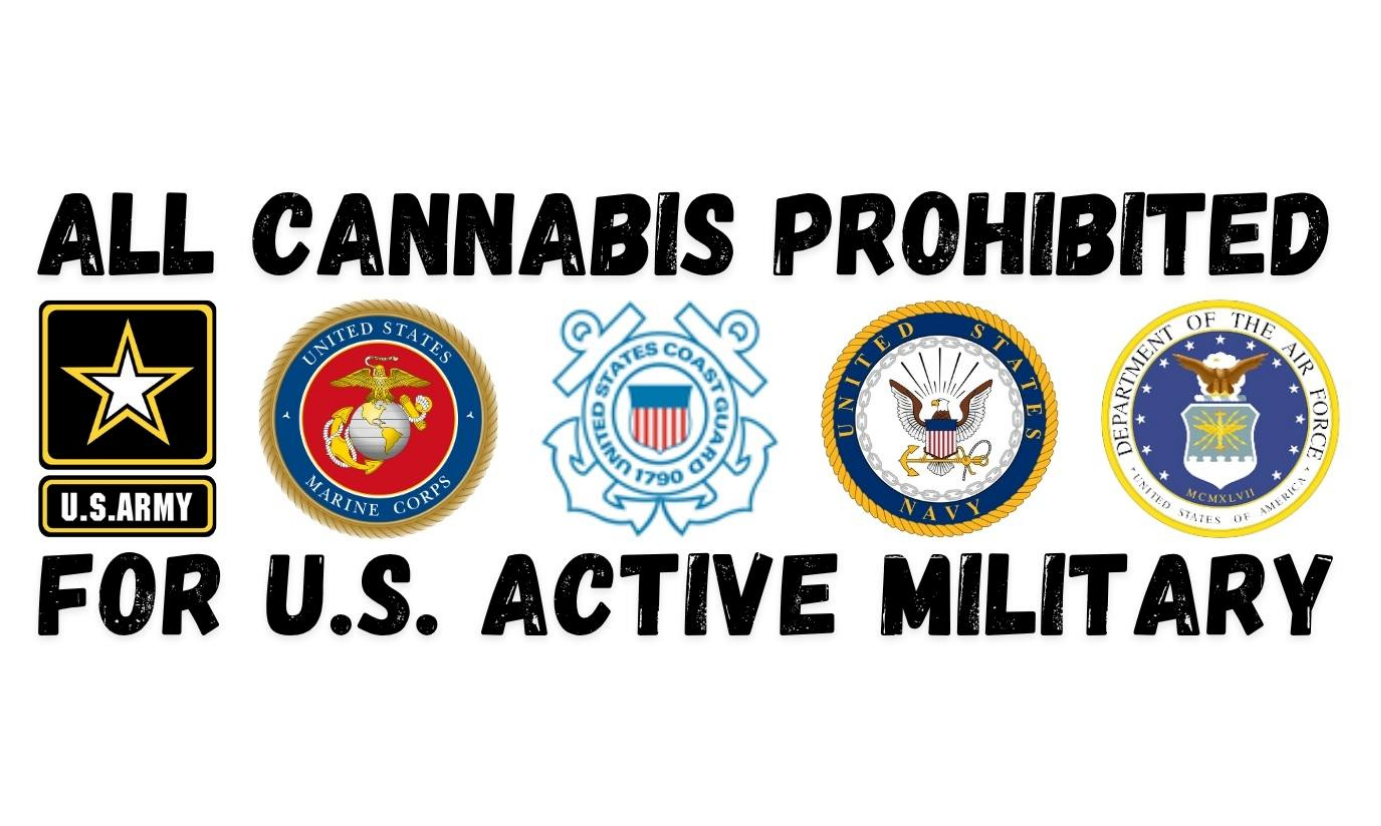
Rights and protections for medical cannabis patients are evolving. In some cases, outdated policies may impact how patients are treated. In other cases, like those in the military, policy changes will have to come from Washington, DC. In the case of organ transplants, stigma still plays a role in medical cannabis patients having access to life-saving treatment, even if state laws ban discrimination. Please use the resources below to better understand patient rights and how to navigate these programs and services.
Medical cannabis may be legal in your state, but it is illegal to cross state lines, even if the bordering state also has a medical cannabis program. For more information about traveling as a medical cannabis patient, check out our Travel Guide.
Stigma and discrimination also make patients targets for law enforcement encounters. Keep in mind that the best law enforcement encounter is the one that never occurs! It's crucial for individuals involved in medical cannabis to understand not only medical cannabis laws and regulations but also their rights. Be Prepared. Know Your Rights!
| State laws frequently change; if you find information that is out of date, incorrect, or has a broken link, let us know! Email [email protected] |
Medical cannabis patients can find additional resources here.
Get Involved! Learn more about ASA Campaigns and Take Action to improve the lives of medical cannabis patients today!
If you appreciate ASA's work, join now to become a part of the movement & sign up to get ASA updates.

Share this page