MEDICAL CANNABIS PATIENTS & CAREGIVERS
|
The State of Hawaii Department of Health oversees the Hawaii Medical Cannabis Program, established by Act 228 in 2000. Patients and their caregivers must be registered with the program to benefit from the rights and protections granted under these statutes. |
Medical cannabis may not be the best treatment choice for all patients. Learn more.
A Legal Medical Cannabis Patient:
- Is a Hawaii resident.
- Has a qualifying medical condition or a condition for which the patient's primary treating physician or APRN has determined cannabis may be beneficial. These include, but are not limited to:
- Cancer
- Glaucoma
- HIV/AIDS
- Cachexia or wasting syndrome
- Severe pain
- Severe nausea
- Seizures (including those associated with epilepsy)
- Severe and persistent muscle spasms (including those associated with MS)
- Additional conditions as approved by the Department of Health. View the full list.
- Has a certification from a qualifying certifying physician or APRN who has established a bona fide practitioner-patient relationship with the patient.
- Is enrolled and holds a valid 329 Registry Card issued by the Hawaii Department of Health. Cards are renewed annually.
ENROLLMENT INSTRUCTIONS
Step 1: Establish care with a certifying physician or APRN.
You must have a bona fide practitioner-patient relationship with a certifying physician (MD or DO) or APRN who holds a valid Hawaii medical license and controlled substance license. Telemedicine is permitted for both initial assessments and renewals.
Step 2: Physician or APRN submits your application.
Your certifying provider will submit your application through the Hawaii Medical Cannabis Registry Portal. If you do not have technical access to create your own account, your provider may submit a Physician/APRN-initiated application on your behalf.
Step 3: You create or log in to your patient account.
Create a free account at medmj.ehawaii.gov to complete your online application, upload required documents, and track your application status. View the in-state patient application guide.
Step 4: Receive your 329 Registry Card.
Once approved, you will receive an email notification. Log in to your account to download your electronic 329 Registry Card.
PATIENT RENEWAL
Registration cards are renewed annually. Renewal requires a new certification from your certifying provider. Telemedicine is permitted for renewal visits. Begin your renewal at medmj.ehawaii.gov.
ENROLLING MINOR PATIENTS
Minors may participate in the program with a parent or legal guardian serving as their primary caregiver.
A legal caregiver in Hawaii is
- An individual 18 or older (excluding the patient's physician) who agrees to undertake responsibility for the patient's well-being regarding the medical use of cannabis. For minors or adults lacking legal capacity, the caregiver must be a parent, guardian, or legal custodian.
- A primary caregiver is restricted to caring for only one patient at any given time.
- A caregiver may care for more than one minor if they are the parent, guardian, or legal custodian of all those patients
- Must be registered with the Medical Cannabis Registry Program
Possession Limits
Under Hawaii Revised Statutes § 329-121 and § 329-122, the term "adequate supply" defines the maximum amount of medical cannabis that may be jointly possessed between a qualifying patient and their primary caregiver at any given time. Possession is protected only when the patient is in compliance with program limits.
Registered qualifying patients may possess:
- Up to 4 ounces of usable cannabis (dried leaves and flowers, and any mixture or preparation thereof) at any given time
- Up to 10 cannabis plants, whether immature or mature, if the patient is authorized to cultivate
Transport of medical cannabis between islands is explicitly prohibited under Hawaii law, even for registered patients. Patients traveling between islands must purchase cannabis separately on each island from a licensed dispensary.
Dispensaries
After your 329 Registry Card is issued, you may purchase medical cannabis at licensed Hawaii dispensaries. Find a licensed dispensary near you.
What to Bring:
- Your valid Hawaii 329 Registry Card (electronic is accepted)
- Government-issued photo ID
- A list of your current medications (recommended for your first visit)
- Payment for your medicine. Insurance does not cover the cost of medical cannabis
Home Cultivation
Under HRS §329-122,registered qualifying patients with a valid Hawaii 329 Card may cultivate cannabis at home for personal medical use. Home cultivation is not permitted for recreational purposes and carries serious criminal penalties without a valid registration.
Plant Limits
- Registered qualifying patients may cultivate up to 10 cannabis plants at any stage of maturity (immature or mature)
- No more than 5 qualifying patients may share a single registered cultivation location
Grow Site Registration Requirements
Patients must designate their cultivation site when registering with the Hawaii Department of Health (DOH). The grow site address must be declared on the 329 Card application and must match the physical location where plants are grown. Patients may register only one grow site. Growing cannabis at an address other than the one registered with the DOH may result in loss of registration status and criminal penalties.
All cultivated plants must
- Be grown in a secure, enclosed space that is not visible to the public
- Display a legible tag showing the patient's 329 Card registration number and card expiration date
Caregiver Cultivation
Following the passage of Senate Bill 1429, signed into law in 2025, primary caregivers are again authorized to cultivate cannabis on behalf of registered qualifying patients. A single caregiver may now cultivate for up to 5 qualifying patients. Each cultivation location remains subject to the 5-patient-per-site limit. Caregiver cultivation is subject to the same grow site registration, tagging, and security requirements as patient cultivation.
Caregiver cultivation is not permitted for compensation, and cannabis may not be transferred to anyone outside the registered patient relationship.
Cannabis Product Safety:
Cannabis, in its natural form, is inherently safe for most patients, but it is especially susceptible to contaminants during cultivation, manufacturing, handling & even storing. Whether you are purchasing cannabis from regulated, grey, or illicit markets or cultivating your own cannabis, you should be aware of the contaminants commonly found in cannabis and the symptoms that accompany their presence.
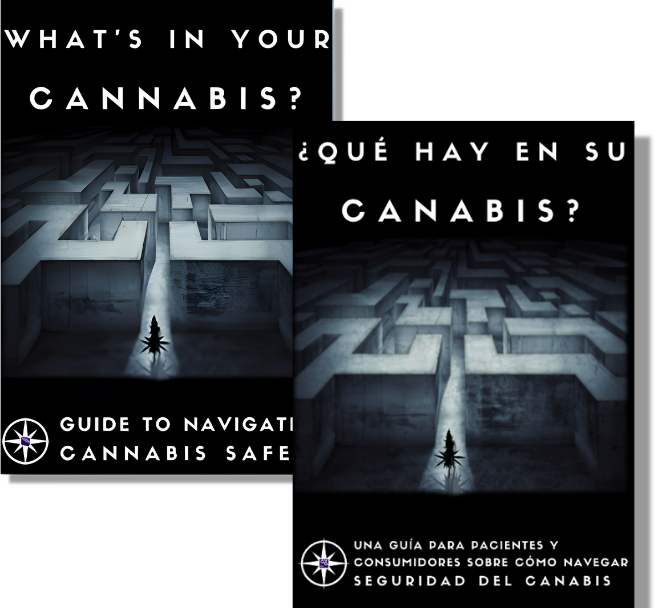
Products sold in Hawaii's dispensaries and adult-use retail locations must be tested for contaminants, pesticides, and adulterants based on these thresholds set by state regulators. For more information about cannabis safety, download ASA's "What’s in Your Cannabis? A Patient & Consumer Guide to Navigating Cannabis Safety."
It can be challenging for patients to determine which businesses offering cannabis products are licensed and approved by the state. Review this list of medical cannabis retailers to find out where to purchase regulated cannabis in Hawaii.
Registered qualifying patients may use medical cannabis only in private locations. In practice, lawful use is limited to a private residence or other private property where the owner or occupant permits it.
Patients and caregivers are prohibited from acquiring, possessing, using, distributing, or transporting cannabis or paraphernalia in all public places. This includes, but is not limited to:
- Beaches, parks, and other outdoor public spaces
- Hotels and vacation rentals (unless the property owner expressly permits it)
- Vehicles, including private cars
- Airports and any federal property
- Workplaces
- School grounds
- Any other location open to the public
Transporting cannabis through a public area is permitted only when the cannabis is in a sealed container, not visible to the public, and is not opened, consumed, or used in any way while in the public place.
Hawaii's Smoke-Free Law (HRS Chapter 328J) applies fully to medical cannabis. Smoking or vaping cannabis is prohibited anywhere that smoking or vaping of any substance is prohibited under state law. This includes enclosed workplaces, restaurants, bars, and other indoor public spaces. Patients who smoke or vape should review HRS Chapter 328J carefully, as these restrictions apply regardless of registration status.
Inter-island transport of cannabis is explicitly prohibited for patients and caregivers. Patients who travel between islands must purchase cannabis separately on each island from a licensed dispensary.
Hawaii is a medical-only cannabis state. There is no adult-use program. A valid Hawaii 329 Card is the only legal pathway to purchase, possess, and use cannabis in the state.
Federal Protections Apply Only to Registered Patients
Some federal protections are now available, but only to patients who are officially registered in their state’s medical cannabis program.
A federal order issued April 28th,2026, AG Order No. 6754-2026, treats a state medical cannabis certification or registration as similar to a prescription under federal law. This means that being registered is not just a state requirement; it may also affect whether a patient qualifies for federal protections.
To receive these protections, a patient’s registration must stay active, current, and in good standing. Learn more here.
LEGAL PROTECTIONS
Under Hawaii Revised Statutes § 329-125, registered qualifying patients and primary caregivers are protected from arrest, prosecution, or criminal penalty for the lawful acquisition, possession, cultivation, use, distribution, or transportation of cannabis within the limits established by the Medical Cannabis Registry Program, provided the patient is in strict compliance with all program requirements.
Protection is conditional on strict compliance. Patients who exceed possession or cultivation limits, use cannabis in prohibited locations, or fail to maintain valid registration are not protected under these provisions.
Law enforcement agencies have access to a secure online verification system to confirm whether an individual or grow site is registered in the program.
PRIVACY PROTECTIONS
Patient registry information is maintained by the Hawaii Department of Health and is treated as confidential. The registry is not disclosed for use in civil proceedings such as child custody hearings, divorce proceedings, civil tort claims, or eviction actions. Registry information may be accessed by law enforcement for criminal investigative purposes only, through a secure verification system available to designated law enforcement officers.
CIVIL PROTECTIONS
Employment
Hawaii does not currently have a statute protecting registered qualifying patients from employment discrimination based solely on their patient status. HB325, a 2025 bill that would have prohibited employers from discriminating against registered patients in hiring, termination, or other employment conditions, did not advance through the legislature and was not enacted.
In the absence of explicit statutory protection, employers in Hawaii may enforce drug-free workplace policies, and courts have generally upheld employer decisions to discipline or terminate employees who test positive for cannabis, even when those employees are registered qualifying patients.
Patients with questions about their specific employment situation should consult a qualified employment attorney. This area of law may continue to evolve through legislation and court decisions.
Housing
Under Hawaii Revised Statutes § 329-125.5, no landlord may refuse to lease property to, or otherwise penalize, a person solely because of their status as a registered qualifying patient or primary caregiver. This protection applies provided the patient is in strict compliance with program requirements and presents a valid 329 Card and photo identification upon request.
Exception: This protection does not apply if complying with it would cause the landlord to lose a monetary or licensing-related benefit under federal law or regulation. Patients in federally subsidized housing may not have this protection.
Note: Even where eviction is prohibited, landlords may restrict the smoking or vaping of cannabis on their property. Patients should review the terms of their lease and, where smoking or vaping is prohibited, may need to use non-smokable forms.
Child Custody
Under Hawaii Revised Statutes § 329-125.5, the Hawaii Department of Human Services and associated agencies may not limit child custody, visitation, or reunification solely on the basis that a parent holds a valid 329 Card and tests positive for THC, when the parent's conduct is otherwise in compliance with the medical cannabis program.
This protection does not apply if the patient's conduct poses a danger to the minor's safety.
Organ Transplant
Under Hawaii Revised Statutes § 329-125.5, a registered qualifying patient's lawful use of cannabis may not be considered the use of an illicit substance for purposes of medical care, including organ transplant eligibility. A patient's program-compliant cannabis use may not be used to disqualify them from receiving an organ transplant or other needed medical care.
Hawaii offers a visiting patient pathway. Out-of-state patients with valid medical cannabis registration cards from their home state may apply for a Hawaii visiting patient card. Apply at the Hawaii Medical Cannabis Registry Portal.
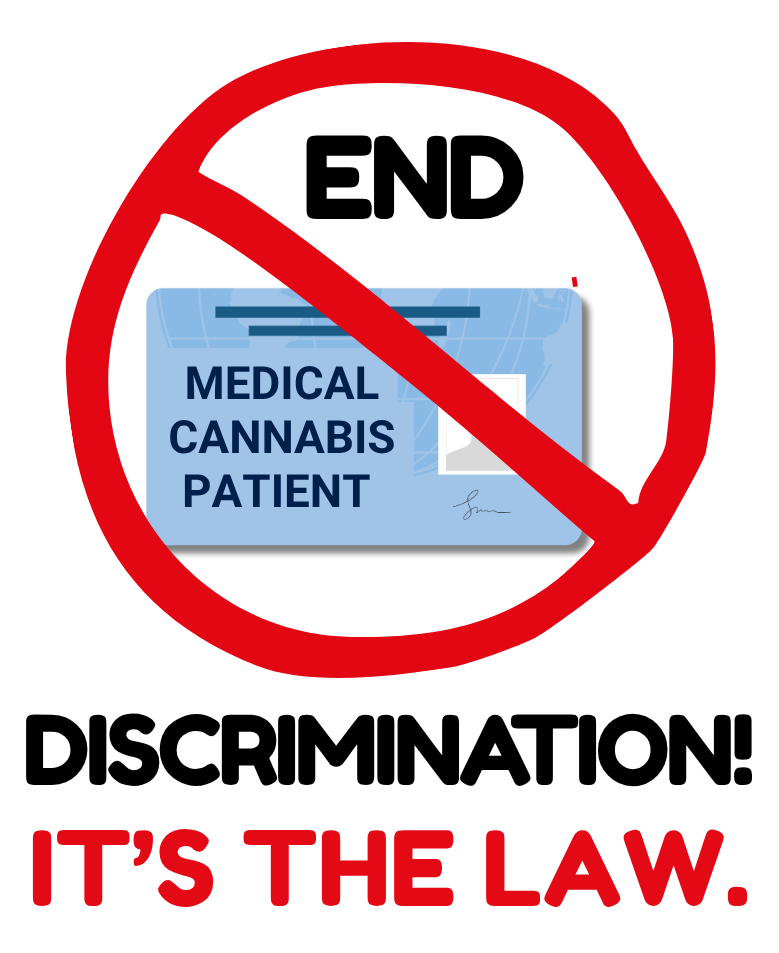
*UPDATE: AG ORDER NO. 6754-2026 CHANGED FEDERAL CANNABIS LAWS ON APRIL 28, 2026: Learn more here.
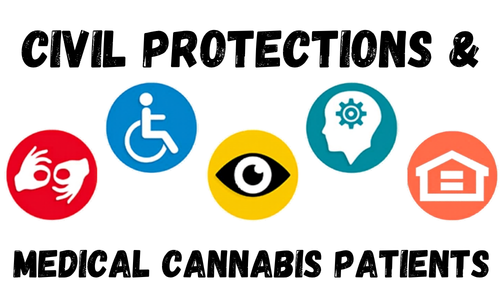
Federal cannabis laws affect far more than whether a patient can access medical cannabis. For decades, federal prohibition has limited protections for medical cannabis patients under laws such as the Americans with Disabilities Act (ADA) and the Fair Housing Act (FHA). As a result, patients have often been denied the basic protections that people with other serious health conditions expect in employment, housing, healthcare, and access to federal programs.
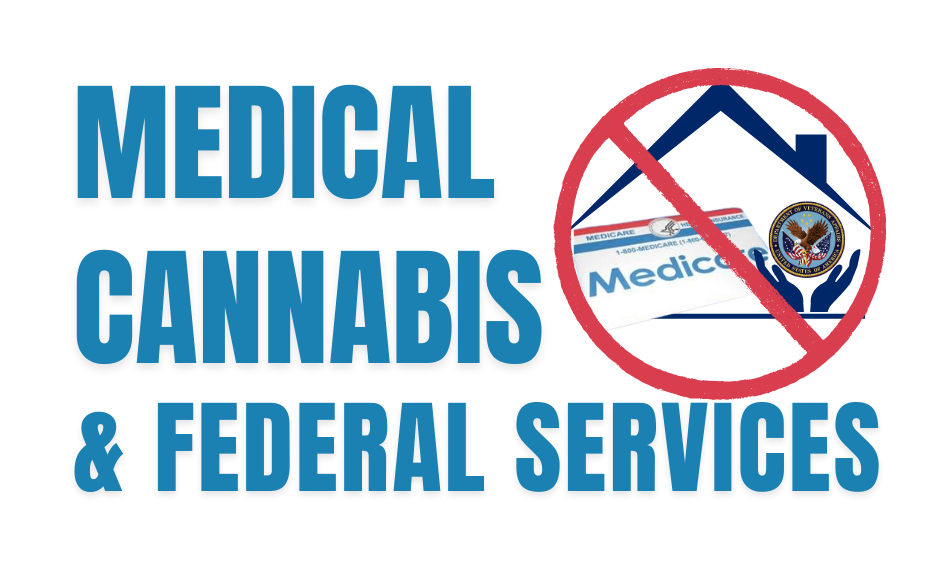
Federal prohibition has also affected patients’ access to essential healthcare, housing, and financial support programs, sometimes forcing patients to choose between the medicine they need and the benefits they depend on. It has also created barriers to federal employment, healthcare autonomy, firearm ownership, and other aspects of daily life.
As federal and state cannabis laws change, implementation matters. Advocates must stay vigilant to ensure public agencies, private institutions, employers, housing providers, and healthcare systems update their policies in ways that respect patient rights and protect safe, legal access to medical cannabis.
It is important to stay active, engaged, and informed. Sign up to get ASA updates and learn more about ending patient discrimination.
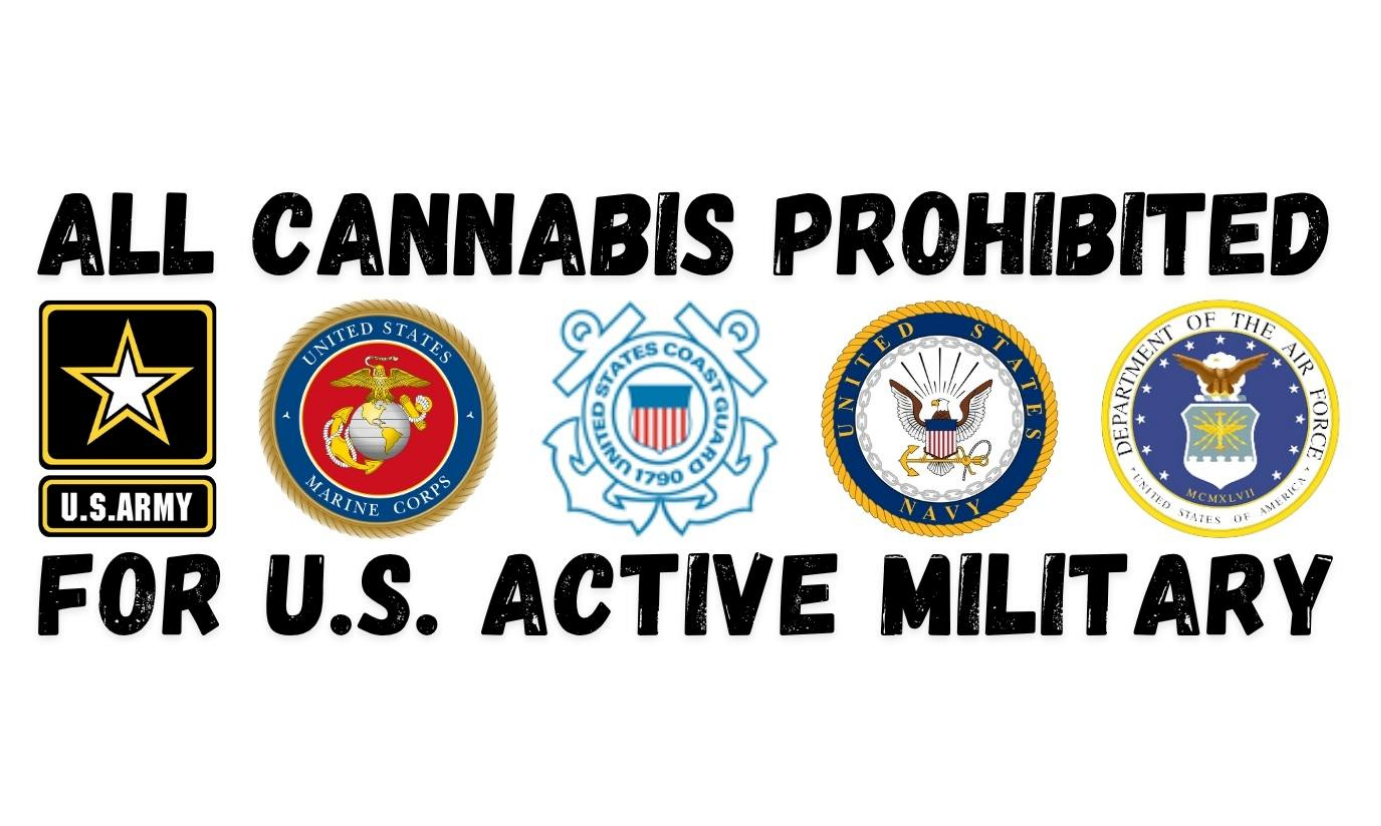
Rights and protections for medical cannabis patients are evolving. In some cases, outdated policies may impact how patients are treated. In other cases, like those in the military, policy changes will have to come from Washington, DC. In the case of organ transplants, stigma still plays a role in medical cannabis patients having access to life-saving treatment, even if state laws ban discrimination. Please use the resources below to better understand patient rights and how to navigate these programs and services.
Medical cannabis may be legal in your state, but it is illegal to cross state lines, even if the bordering state also has a medical cannabis program. For more information about traveling as a medical cannabis patient, check out our Travel Guide.
Stigma and discrimination also make patients targets for law enforcement encounters. Keep in mind that the best law enforcement encounter is the one that never occurs! It's crucial for individuals involved in medical cannabis to understand not only medical cannabis laws and regulations but also their rights. Be Prepared. Know Your Rights!
| State laws frequently change; if you find information that is out of date, incorrect, or has a broken link, let us know! Email [email protected] |
Medical cannabis patients can find additional resources here.
Get Involved! Learn more about ASA Campaigns and Take Action to improve the lives of medical cannabis patients today!
If you appreciate ASA's work, join now to become a part of the movement & sign up to get ASA updates.
Share this page